
The biggest mistake I see real estate agents make with content is that they have no filter. Not the fun kind of no filter where they just say whatever comes to their mind. I mean they have no system for deciding what deserves to be posted in the first place.
Let’s fix that.
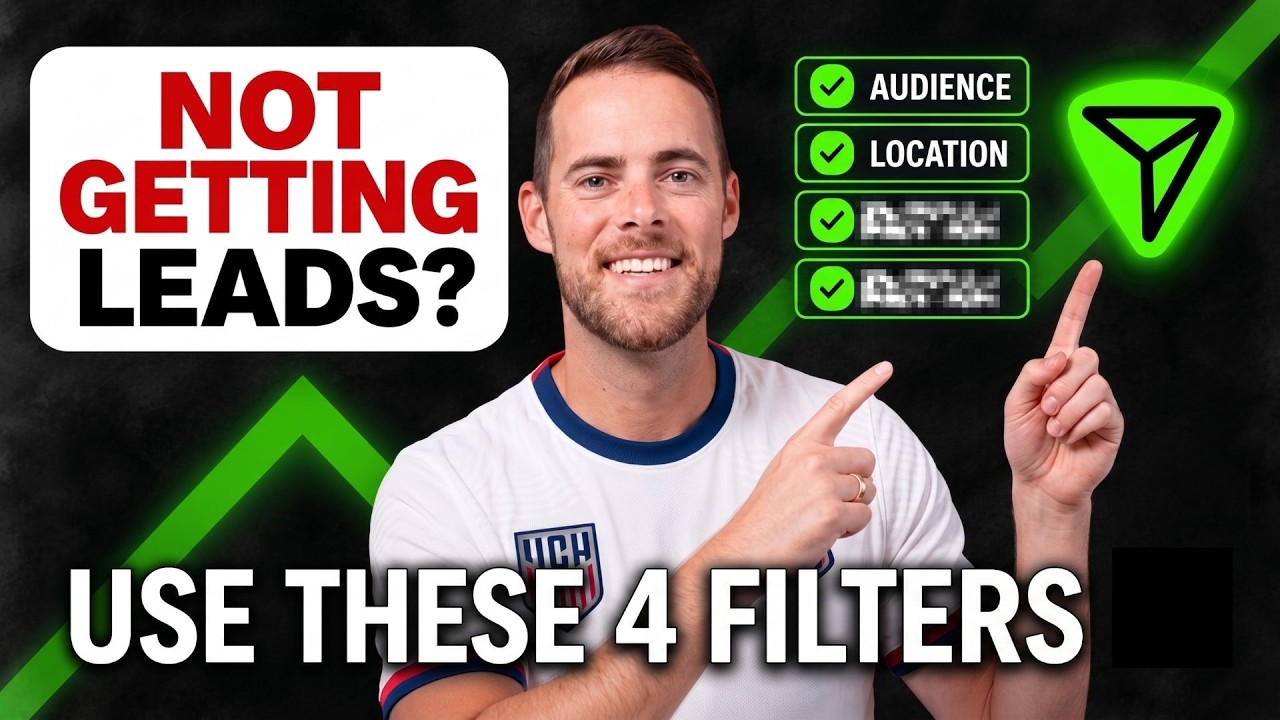
If you put your content through these four filters, you’ll start reaching the RIGHT audience and start getting more shares.
Filter One: The Audience Filter
The first question you need to ask before creating any piece of content is simple:
Is this something my ideal client would actually be interested in?
If the answer is no, or “I have no idea,” you are spraying and praying. And spraying and praying is not a content strategy.
The biggest reason agents struggle with this is because they have never actually defined who they’re creating for. They’re making content for “anyone who wants to buy or sell a house,” which sounds good in theory, but is way too broad to actually work.
So figure out who your person is.
Who do you sell the most houses to? Who do you want more of? Is it…
- Gen Z renters trying to buy their first place?
- Millennials having their second kid and needing more space?
- Fifty-year-old divorced guys downsizing?
- Orcs from Isengard?
Once you know exactly who you’re talking to, content becomes much easier.
For example, if your audience is young professionals without kids, talk about the things they actually care about:
- the restaurants they go to
- the neighborhoods they want to live in
- the coffee shops with good wifi because they work remotely
- first-time buyer education
- buying on a single income
- walkable areas
- the going out scene
- the hungover breakfast burrito spots
That is content your actual future client would consume.
Alyssa Curnutt is a perfect example of this. Her content filter is “women who have kids between the ages of two and fourteen who live in North Spokane.” I will use her as an example until I am blue in the face by the way, because she knows exactly who she is creating for.
She’s not waking up asking, “What should I post today?” She’s asking, “What does that person care about?”
Kid-friendly restaurants, local events, places to take the kids, new developments that would attract her ideal client. Everything runs through that audience filter first.
Filter Two: The Location Filter
The second filter is figuring out where you actually want to be known.
Every agent has heard they need to create hyperlocal content at this point. But then they start reviewing every restaurant, coffee shop, new business, and event within a 50-mile radius with no strategy behind it.
The goal of hyperlocal content is not to become famous for knowing every taco place in your city. The goal is association. When someone thinks about a specific neighborhood, community, or lifestyle, your face keeps showing up.
So ask yourself:
Where do you actually want to sell homes?
What neighborhoods do you want listings in?
Where does your ideal client spend time?
Going back to Alyssa, the second part of her filter is North Spokane. That’s where she sells. That’s where her audience lives. That’s where she wants to become known.
The restaurants she talks about are there.
The events she covers are there.
The neighborhoods she highlights are there.
Everything points back to North Spokane.
If you want to sell luxury real estate to older couples, you probably shouldn’t be making content about the new dollar store opening in some “up and coming” neighborhood. You probably don’t need to make videos about the best bars to meet single people or coffee shops that attract a younger crowd.
You should be talking about the new steakhouse, the country club, the luxury developments, and the businesses and lifestyle that actually match the people you want to attract.
Don’t just post about the new pizza place.
Post about the new pizza place in the neighborhood you want to sell in.
That’s the difference.
Filter Three: The New Information Filter
This is the filter that really gets you shares.
Ask yourself:
Is what I’m talking about new information?
Because there is a huge difference between the content people consume and the content people share.
“Top 5 restaurants in Denver” might be a decent piece of content, but it has also probably been done 900 times.
Compare that to:
“I just found out what’s replacing the old Starbucks on Sepluveda, and you’re going to like it if you like Italian food.”
That feels different. That feels like news.
People share new information because it makes them feel like they discovered something. Nobody texts their friend something they already know. They send the thing that makes them say, “Wait, did you see this?”
- “Did you see that new bagel place opening next month?”
- “Did you hear what they’re building next to the golf course?”
- “Did you see what’s replacing that old building?”
That is the type of content that spreads because it feels like inside information.
This is also why the green screen article format works so well in real estate. The article already has attention and is new because it is literally news. Your job is to add the one thing the article doesn’t have: your perspective as the local expert.
Don’t just repeat information. Add context. Explain why it matters. Tell people what it means for them.
Filter Four: The Give A Shit Filter
This one has nothing to do with strategy, analytics, or the algorithm.
Do you actually care about what you’re posting?
Because if you don’t care, everyone can tell. You’ll sound like a lifeless, content machine trying to please the algorithm instead of a person sharing something they actually find interesting.
This is why so much content feels exactly the same. Everyone is copying the same trends, using the same hooks, saying the same things, and wondering why nobody cares.
Because they don’t even care.
If you’ve never been to the restaurant you’re talking about, maybe don’t talk about it. If you don’t care about the new development, don’t cover it. If there’s a new sports bar opening, but you don’t watch sports, you probably aren’t the person who needs to make that video.
Create content around things you actually like, places you actually go, and topics you actually have opinions on.
That’s what gives your content personality.
I love talking about content, marketing, and building a brand. I don’t love teaching people how to sell 100 homes a year because I never did that. I sucked at that. That’s why I don’t talk about it.
Your audience can tell the difference between something you’re posting because you think you have to and something you actually care about.
Real content will always beat polished content with no soul.
Bonus Filter: The Trend Filter
This is the extra rocket fuel.
Can you connect your content to something people are already talking about?
Let’s use the World Cup as an example.
Imagine I sell real estate in Playa Vista, and my ideal client is young professionals or young couples. A random video about a sports bar is fine.
But a video about a new sports bar in Playa Vista hosting World Cup watch parties, in a neighborhood I want to sell in, filled with the exact demographic I want to work with, while wearing a USA jersey as a visual hook?
It’s new. My audience cares. It’s in my target location. I actually care about it. It ties into one of the biggest conversations/trends happening in the world.
That’s the perfect piece of content because it checks every box.
To recap. Before you post, run it through the filters:
- Who is this for?
- Where do I want to be known?
- Is this new information?
- Do I actually care?
- Can I connect it to what people are already talking about?
Once you run it through these filters, your content will start to take off.
Want me to actually look at your content and tell you what filter you’re missing? That’s exactly what we do every month inside BAMx Content Audits, where we pull up real member profiles and rip them apart (lovingly).
You also get fresh customizable templates every week inside BAMx, so you’re never staring at a blank screen wondering what to post. Come join us and let’s make your content impossible to ignore.