
You can post consistently and still feel like your content isn’t going anywhere.
The views can be solid. The likes can look decent. What’s missing is the part that actually matters: conversations that turn into real opportunities.
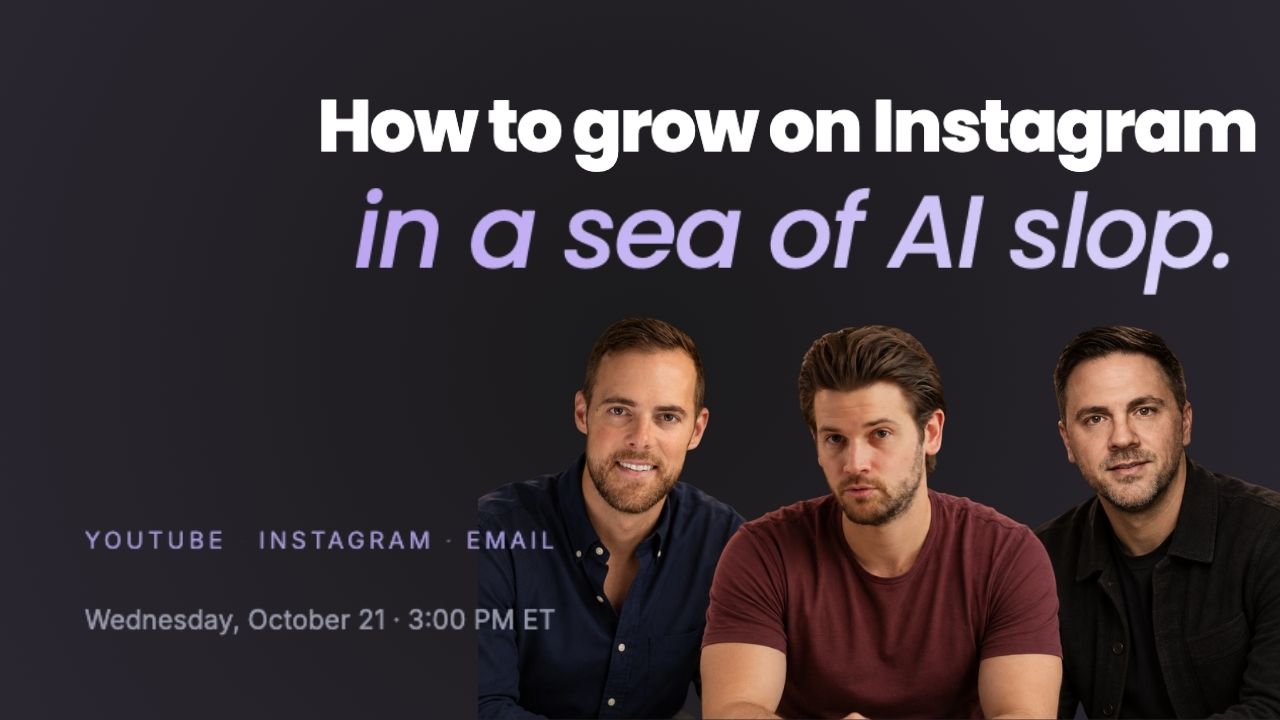
That disconnect was front and center in a recent webinar from The Viral Agent crew: The Broke Agent, Alyssa Curnutt, Tessabella, and Krys Benyamein.
Their session broke the strategy down into two parts:
- Three types of hyperlocal content that consistently attract attention in your market.
- Two filters that shape that content so it speaks directly to the right people.
Here’s how those content styles work and why they get people to pay attention in the first place.
3 Hyperlocal Content Styles That Attract Local Attention
If you want more reach and stronger engagement, you have to stop thinking of content as one thing.
Each post has a job. Some posts are meant to attract attention. Others build trust. Others open the door for conversations. The mistake most agents make is treating every post the same, which is why everything starts to blend together.
There are three types of hyperlocal posts that get attention in your market. And they all center around what people already care about: their community.
Business Highlights
This is the most common type of hyperlocal content, and also the one most agents get wrong.
The typical version sounds like a Yelp review. Where it’s located, what they serve, why it’s “great.” That kind of content doesn’t give anyone a reason to stop scrolling.
The better approach is to focus on what makes that business different.
As Alyssa explained in the training:
“The most important thing when you’re putting together a business highlight…focus on something that’s either new or coming soon, or something unique.
“If you’re going to do a coffee shop, focus on…what makes that coffee shop unique. Instead of being like, ‘Here’s where it’s at. They serve lattes and mochas,’ find something that makes that place unique and really harp on that. That’s what’s going to really resonate people.”
That level of specificity gives people a reason to stop scrolling and pay attention.
Instead of “here’s a coffee shop,” it becomes “here’s the one thing this place does that no one else in town does.”
When the content highlights a detail or experience that stands out, it becomes easier to follow and easier to remember. It also creates more intention behind how the video is filmed, since every shot supports a clear idea instead of filling space.
Local Events
Event content creates consistency and keeps your account relevant week after week.
It’s easy to plan ahead, easy to batch, and it positions you as someone who is plugged into what’s happening locally.
There’s also a built-in opportunity to turn this content into lead generation.
Alyssa broke down exactly how she does this.
She creates a general post highlighting local events, then uses the caption to promote a more in-depth guide. For example, she posted a weekly “What’s Happening This Weekend in Spokane” every Thursday over the holiday season, and paired it with a holiday guide she created.
In each caption, she’d include a CTA like: “Comment ‘holidays’ and I’ll send you the full guide.”
That guide was a 12-page resource covering everything happening in Spokane, including free events, kid-friendly activities, and both indoor and outdoor options.
This approach makes it easy for the audience to take the next step.
You’re giving people a reason to engage with your content. Over time, that engagement builds an email list and creates a consistent point of contact with your audience.
Local News and Updates
The third content style is the fastest way to get attention, especially if you’re willing to move quickly.
Local news doesn’t have to mean breaking headlines. It can be anything happening in your market that people care about: new developments, policy changes, infrastructure updates, even something as simple as a road project.
When the topic connects to something people recognize in their daily life, the content feels timely and relevant.
As Krys Benyamein pointed out during the training, speed and simplicity matter when you’re sharing this type of content:
“Despite loving being on camera, it just takes a lot of time. So if I want to put more volume out…Done is better than perfect for a lot of the stuff that I’m pushing out.”
This makes local news content easier to execute consistently.
A quick video, a graphic, or a simple breakdown can be enough to get the message out while it’s still relevant.
Then, once a topic starts to gain traction, it can be revisited in different formats or expanded with additional context. That keeps the conversation going and increases the chances your content stays in front of the right audience. More on that coming up.
2 Filters to Use When Creating Content
The content styles get you attention. The filter determines who that attention comes from.
This is where most agents miss the mark. They create content that could apply to anyone, which means it doesn’t feel personal to anyone.
Tessabella’s framework fixes that by adding context to every post before it’s published.
Instead of asking “what should I post,” the better question becomes “who is this for, and why would they care?”
Filter 1: Personal Identity
This filter is about perspective.
It’s how you bring your own experience, background, or lifestyle into the content without making it about you. You’re giving the audience a reason to trust your point of view.
As Tessabella explained:
“Each and every single person…has things about them that make you very much unique. And so when we’re talking about filter through your own unique viewpoint, these are the kind of things where not only are you giving some additional perspective, you’re making something potentially even more hyperlocal, but you’re also…allowing people to get to know a bit more about you and show your personality a bit more.”
This level of specificity builds trust faster.
It gives the audience a clear signal that you understand their situation. That understanding is what makes someone pause, pay attention, and keep watching.
Filter 2: Target Audience
This filter is about clarity.
You’re deciding exactly who the content is meant for and speaking directly to them. The more specific the audience, the easier it is for someone to feel like the content was made for them.
Tessabella put it this way:
“Filter number two is where we’re speaking really directly to the person that you’re trying to attract or who you want to engage or consume your content. Alyssa gave an incredible example…her content is not just for people in Spokane. It’s for people who have kids who are between the ages of two and 14 who live in North Spokane.”
This level of specificity builds trust faster.
It gives the audience a clear signal that you understand their situation. That understanding is what makes someone pause, pay attention, and keep watching.
When both filters are applied together, the content becomes more focused and more relatable.
A general idea like “best neighborhoods in your city” turns into something much more compelling when it’s framed through a specific perspective and aimed at a specific person.
That’s what creates stronger engagement and a deeper connection with the right audience.
How Hyperlocal Content Turns Into Clients
Content gets attention. Conversations create opportunities.
Hyperlocal content works because it follows a natural progression. People see your content, recognize your name, and start to associate you with their area. That familiarity builds over time and makes it easier for someone to reach out when the timing is right.
As The Broke Agent explained during the webinar:
“Basically estimate that around five to 10% of people are actually kind of actively looking in the market at any given time. So what does this mean? It means that majority of your followers are not actually interested in seeing real estate content nonstop.”
That context changes how you think about what to post.
It shifts the focus toward content that keeps you relevant to a broader audience, not just the small group actively buying or selling.
As The Broke Agent pointed out, that’s where hyperlocal content fits in:
“You’ve got to attract people with this interest-based, hyperlocal content, and eventually, when they’re interested in real estate, they will use you. It’s all a funnel into your real estate content.”
That’s how the system connects. The content brings people in. The repetition builds recognition. The timing determines when someone is ready to act.
There are also built-in ways to identify intent through your content.
Story polls give people a way to signal interest without having to send a message. A quick prompt like “thinking about buying” or “have a question about selling” can surface people who are already considering a move. Each response creates an opportunity to follow up and start a conversation.
Calls to action play a role here, too. When you invite people to comment, message, or request something, you’re giving them a clear path to engage. Over time, those small actions add up and create more inbound opportunities.
Consistency is what ties everything together. When you show up regularly with relevant content, people begin to expect it.
That repetition keeps you top of mind and builds trust without needing constant direct outreach.
The result is a pipeline that feels more natural.
Instead of chasing leads, you’re creating an environment where conversations happen more easily. And when those conversations start, you’re already familiar to the person on the other side.
This system works because each piece supports the next. The content styles bring in attention from your local market. The filters make that content feel relevant to the right people. The execution keeps your message in front of them long enough to build familiarity.
From there, conversations become easier to start and easier to keep going.
Alyssa Curnutt shares her full hyperlocal content strategy in a BAMx course with a free workbook that makes it even easier to put her field-tested playbook into action. Sign up for a free 7-day trial to get instant access. And while you’re at it, enjoy the webinar replay.