
If you’ve listened to our Stay Paid podcast, you’ve probably heard me say this before: sending out marketing pieces is great, but if you stop there, you’re missing the most important step.
Postcards, emails, magazines, and social posts are all valuable, but they’re passive. You’re essentially waiting for the consumer to take the next step.
And the truth is, most of the time, they won’t.
That doesn’t mean you stop doing them. It means you need to pair passive marketing with proactive outreach. That’s what turns a magazine or a postcard from just another touchpoint into a real conversation that generates business
Passive vs. Proactive Marketing
Here’s how I like to explain it.
Passive marketing is everything you send out that depends on the consumer taking action. Think:
- Postcards that get tossed in the mail stack
- Magazines that sit on the coffee table
- Emails that may or may not get opened
- Social posts that show up in someone’s feed
All of those touches create awareness and visibility, but they don’t guarantee engagement.
Proactive marketing, on the other hand, puts you back in control. It’s when you use those same pieces as a reason to reach out. It’s the phone call to your client after you send them a magazine. It’s the quick text after an email campaign. It’s the “just checking in” message that turns a passive touch into an actual conversation.
A Real Example: QR Codes and Conversations
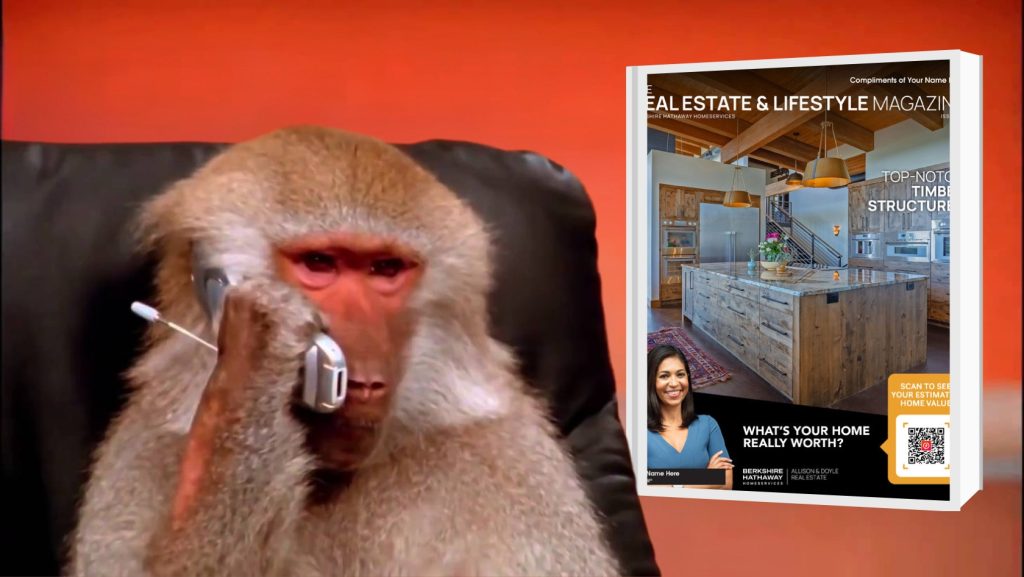
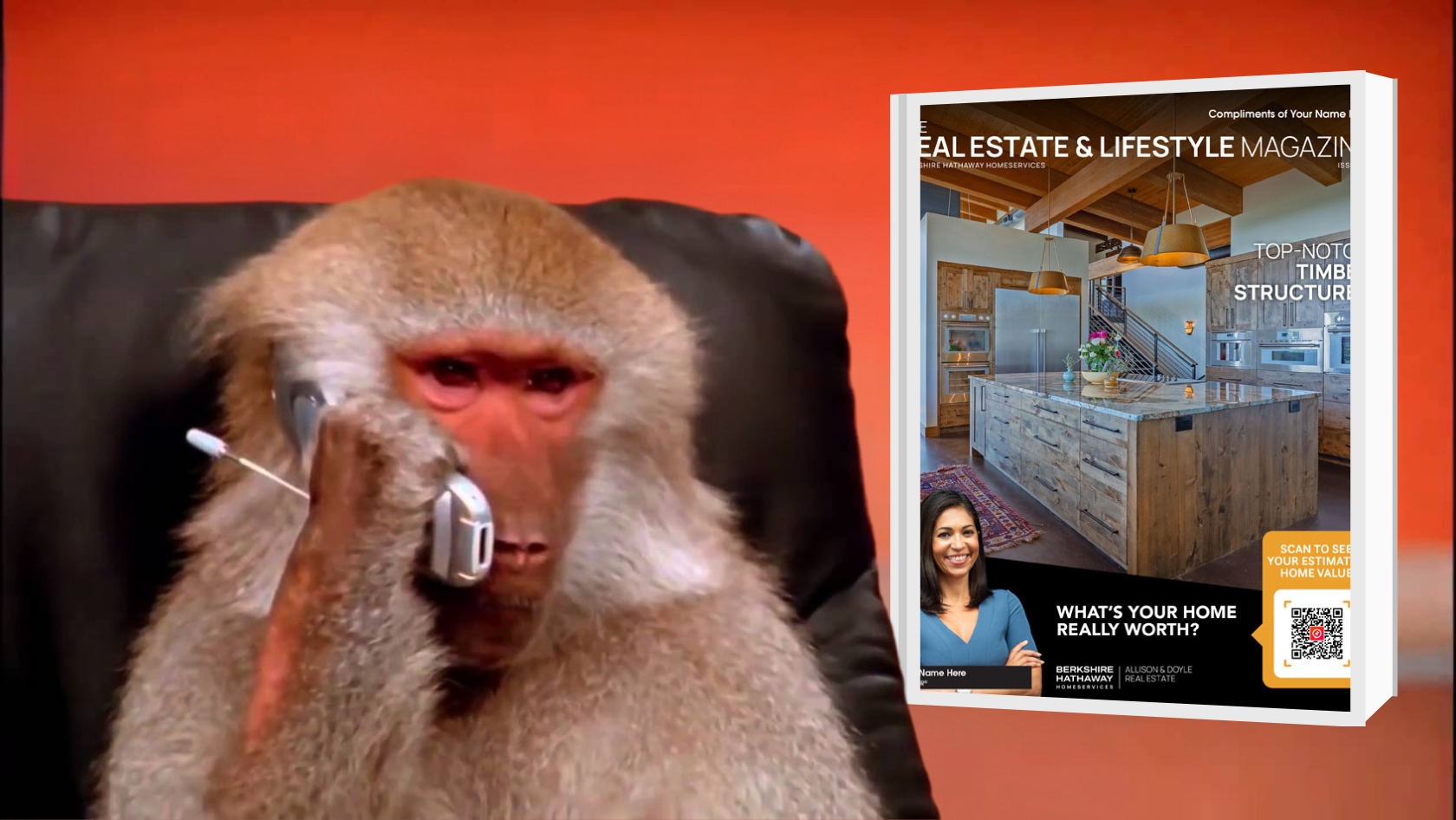
Let me give you a real-world example. One of our clients at Acree Brothers Realty mailed out 429 magazines with a call-to-action on the front cover: “Home prices have gone up $30,000 in Lynchburg. Want to know what your home’s worth? Scan this QR code.”
They got 33 scans from that mailing. That’s fantastic engagement. But here’s the problem: it’s still dependent on those 33 people taking action. What about the other 396?
That’s where proactive marketing comes in. Instead of waiting, you call behind the mailing. You say:
“Hey, just wanted to make sure you got my latest magazine. I hope you’ve been enjoying it. I always include some recipes my clients love. By the way, I also included a QR code on the front cover for a free home valuation. Have you had a chance to check it out yet?”
Suddenly, you’ve created a conversation. You’re not asking for anything heavy-handed. You’re checking in, adding value, and naturally opening the door to a real estate conversation.
Scripts That Work
If you’re wondering how to make this feel natural, here are two approaches I use and recommend:
#1: The Value-Add Script
- Call to check in: “I just wanted to make sure you got my magazine.”
- Add value: “This issue includes a QR code where you can instantly see your home value. I’d also be happy to follow up with a professional CMA if you’d like.”
- Transition to real estate: “Do you know what your home’s worth right now?”
#2: The Referral Script
- Affirm the relationship: “I send the magazine to all my best relationships, and you’re definitely one of them.”
- Share your goal: “I have a big goal to help 25 families buy or sell this year.”
- Make it personal: “Honestly, if I could work with 25 more clients just like you, I’d be thrilled.”
- Ask the question: “Is there anyone in your circle I could reach out to who might benefit from my help?”
Both scripts take something you’re already doing (sending a magazine or mailer) and flip it from passive to proactive.
Why Proactive Works
There’s a psychological principle at play here. When you send a gift-like touchpoint, such as a magazine, you trigger a sense of reciprocity. People feel valued.
Pair that with a friendly check-in, and you’ve created the perfect environment for either a referral or a direct real estate conversation.
Most agents will never make the call. They’ll send the postcard, send the email, maybe even drop a magazine, and then wait.
Which is why the agents who do take that extra step consistently win more business.
Don’t Rely on Hope
Let me level with you: you’ll close a handful of deals a year just by staying top of mind. If you’re friendly and you’re in real estate, people will remember you often enough for five or ten transactions.
But if you want to scale beyond that, hope isn’t a strategy.
You need activity. You need to be on the offensive. You need to be the one who takes that passive marketing piece and says, “I’m going to turn this into a reason to call.”
So, the next time you drop a postcard or send out a magazine, don’t just sit back and hope for the phone to ring. Pick up the phone yourself. That one call could be the difference between marketing that costs you money and marketing that makes you money.