
My marketing team does an awesome job writing emails—last year, we sent slightly less than 8 million with an average open rate of 26%. But not every agent has the benefit of a full-blown team of expert writers at their disposal, which is why I invited Jay Schwedelson to be a guest on our Stay Paid podcast.
Jay’s team at GURU Media Hub sends six billion emails a year, and they analyze every bit of data they collect to find out what gets the best engagement. For instance, they’ve tested 15 million subject lines and even developed a free tool, SubjectLine.com, that you can use to evaluate the effectiveness of your subject lines against what’s known to work.
Below are some of Jay’s tactics for developing subject lines and content that even my crack team of writers tell me are brilliant.
Tips for irresistible subject lines

Here are a few techniques Jay suggests that agents try.
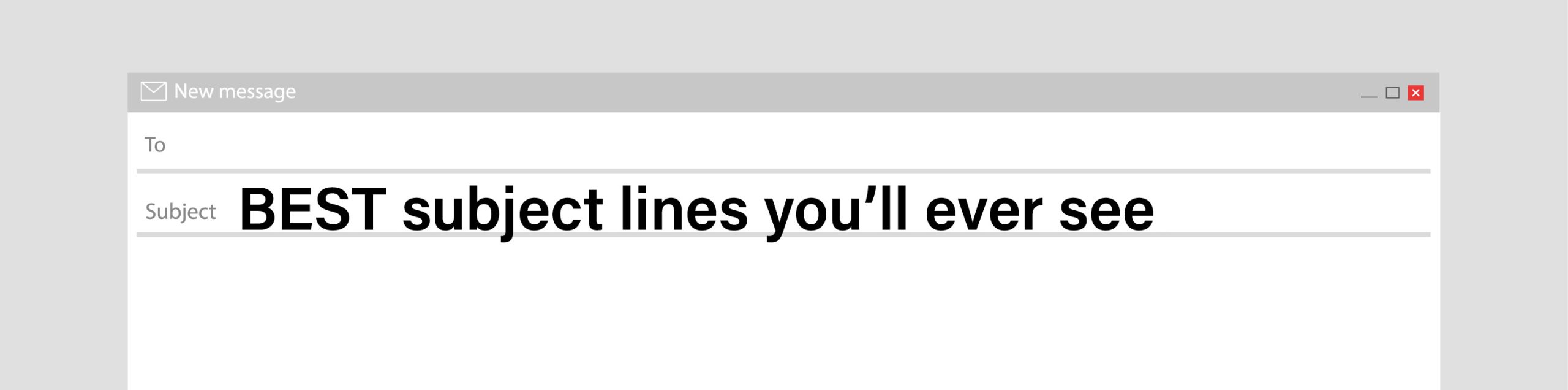
1. Start with a number or capitalize the first word
The first can improve your open rate by about 15%, while the second can improve it by nearly 20%.
2. Use an emoji
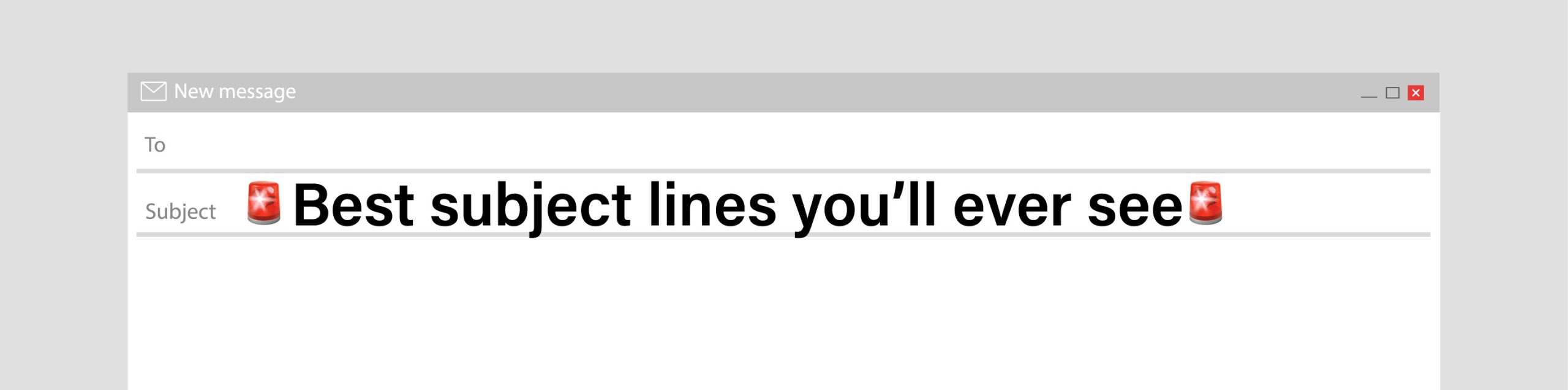
Why? Because 95% of subject lines don’t use them, which means those that do will stand out. In fact, Jay suggests “bookending” your subject lines by including the same emoji at the front and back of them.
3. Forget about character limits
The proper length of a subject line is a hot topic, but there isn’t necessarily a single correct answer. Jay recommends testing unusually short ones (think two words) and long ones that exceed what’s seen on the screen. Amid a sea of uniform subject lines, these will stand out in an inbox.

Tips for writing email content
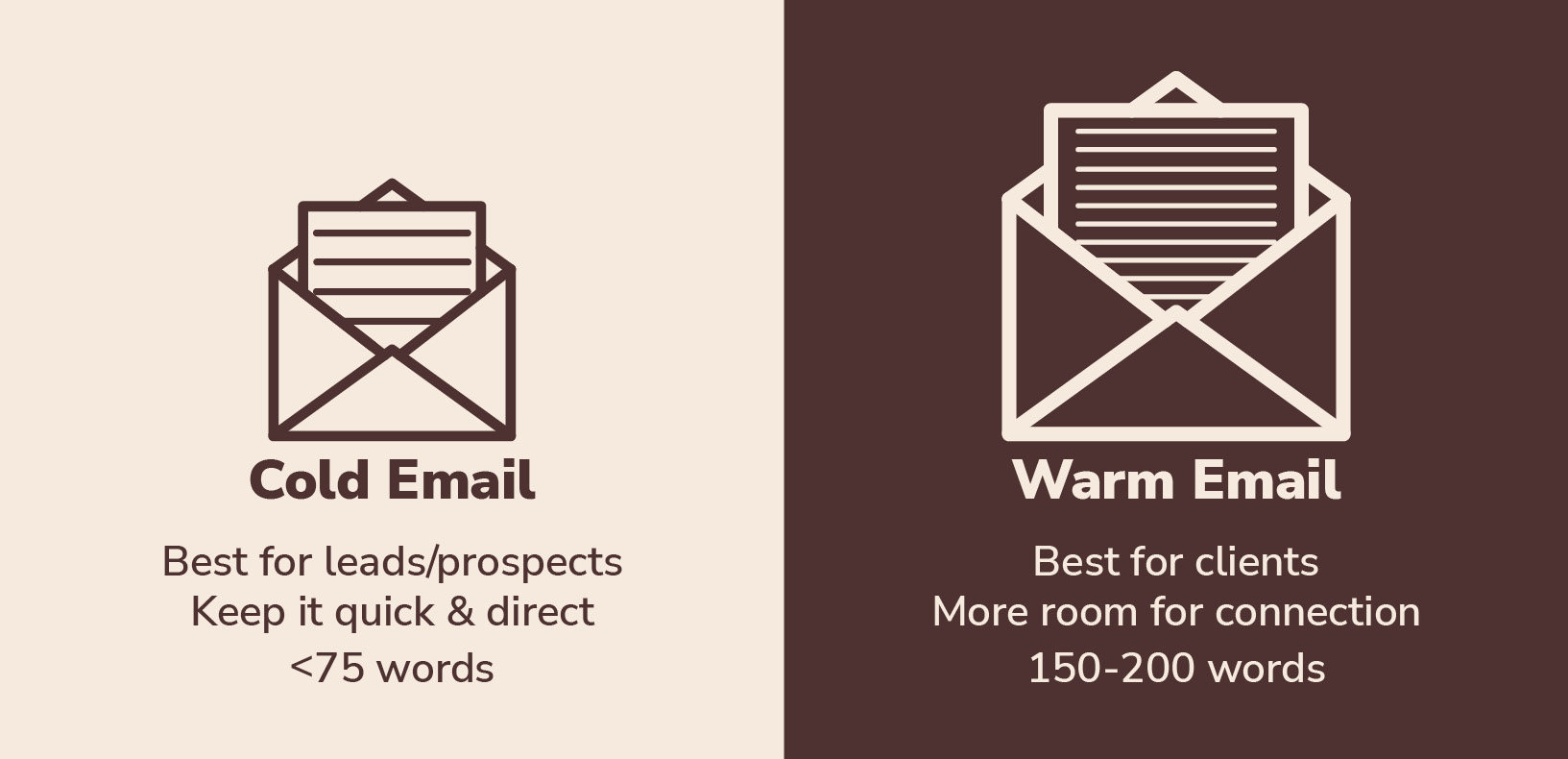
According to Jay, there are two main audiences for your emails—people who don’t know you and people who do. These are very different groups that require very different strategies.
4. Let your audience determine the length
In your role as a marketer, you need to resign yourself to the fact that those unfamiliar with you generally don’t care what you have to say. For this reason, Jay recommends keeping your emails to them less than 75 words. On the other hand, former clients will typically tolerate 150 to 200 words.
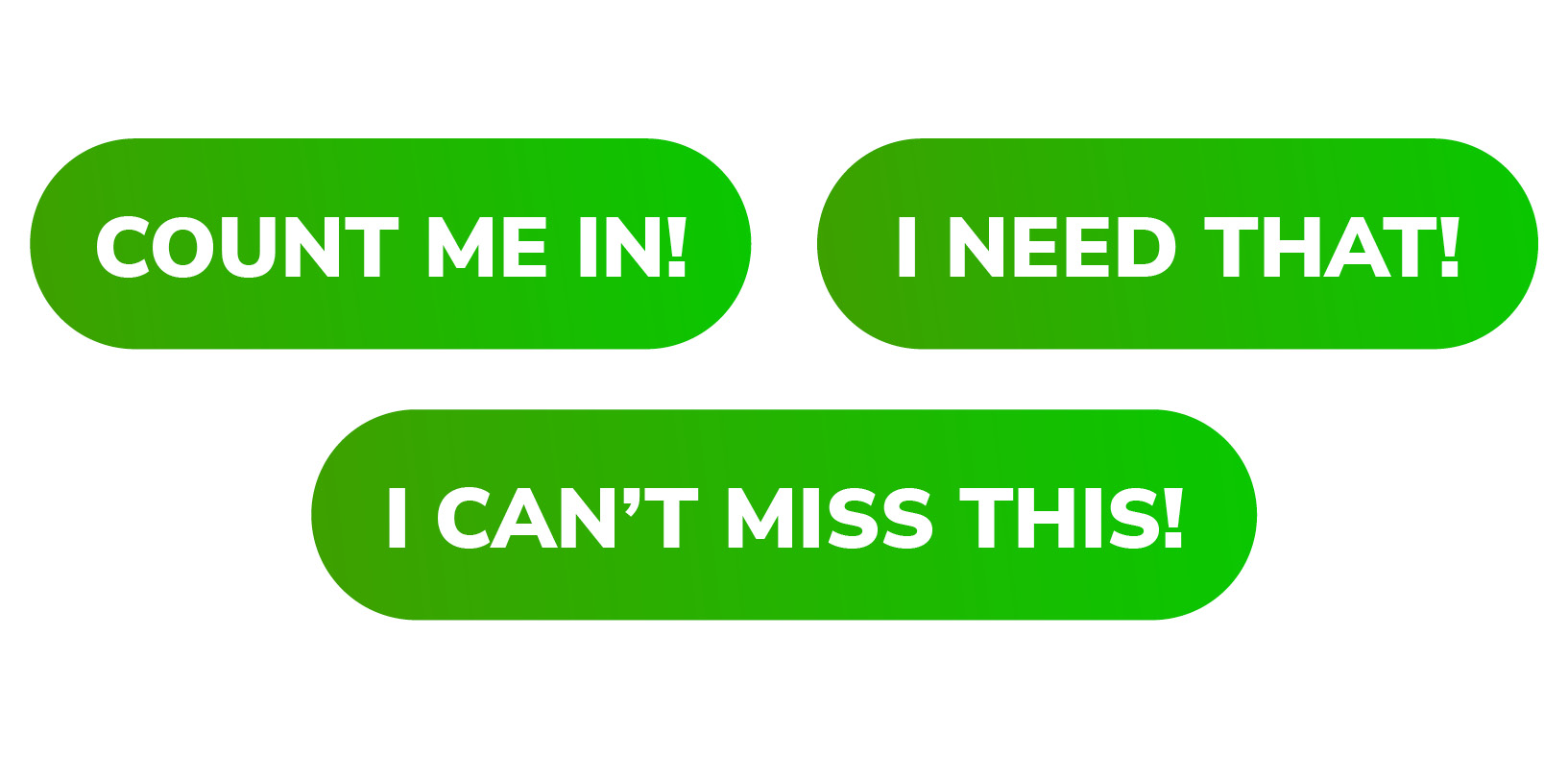
5. Write your CTAs in the first person
Too often, we include CTA buttons directing recipients to do what we want, such as registering, signing up, or calling. But create ones written in the first person, and for just a millisecond, your recipient feels a bit more invested in whatever you’re promoting—and that sliver of time is enough to help increase your click-through rate by more than 20%!
6. Include a P.S.
As mentioned earlier, most people will barely read your subject line. On top of this, they’ll only quickly scan your email, gunning for the bottom of the screen. That’s why Jay is emphatic about including a postscript (P.S.) that links to the value you are offering, like a free lead magnet or webinar invitation. This simple tip can boost your click-through rate by 15%.

7. Provide true value in your first email
In the service industry, including real estate, the most important email you send is the first one because it sets the tone for your future communication.
From a technical standpoint, your infrastructure and the recipient’s email system are having a chat. If the recipient opens, clicks, or engages with your email, said system recognizes you as a trusted sender—increasing the chances of your future emails reaching their inbox by over 85%, according to Jay’s research. Conversely, if they ignore or delete it, their email provider may classify other incoming messages from you as junk.
Instead, your first email should focus on engagement, not selling. The subject line must be compelling—something like “Thank you! I have something for you” rather than a generic “Thank you,” which won’t stand out.
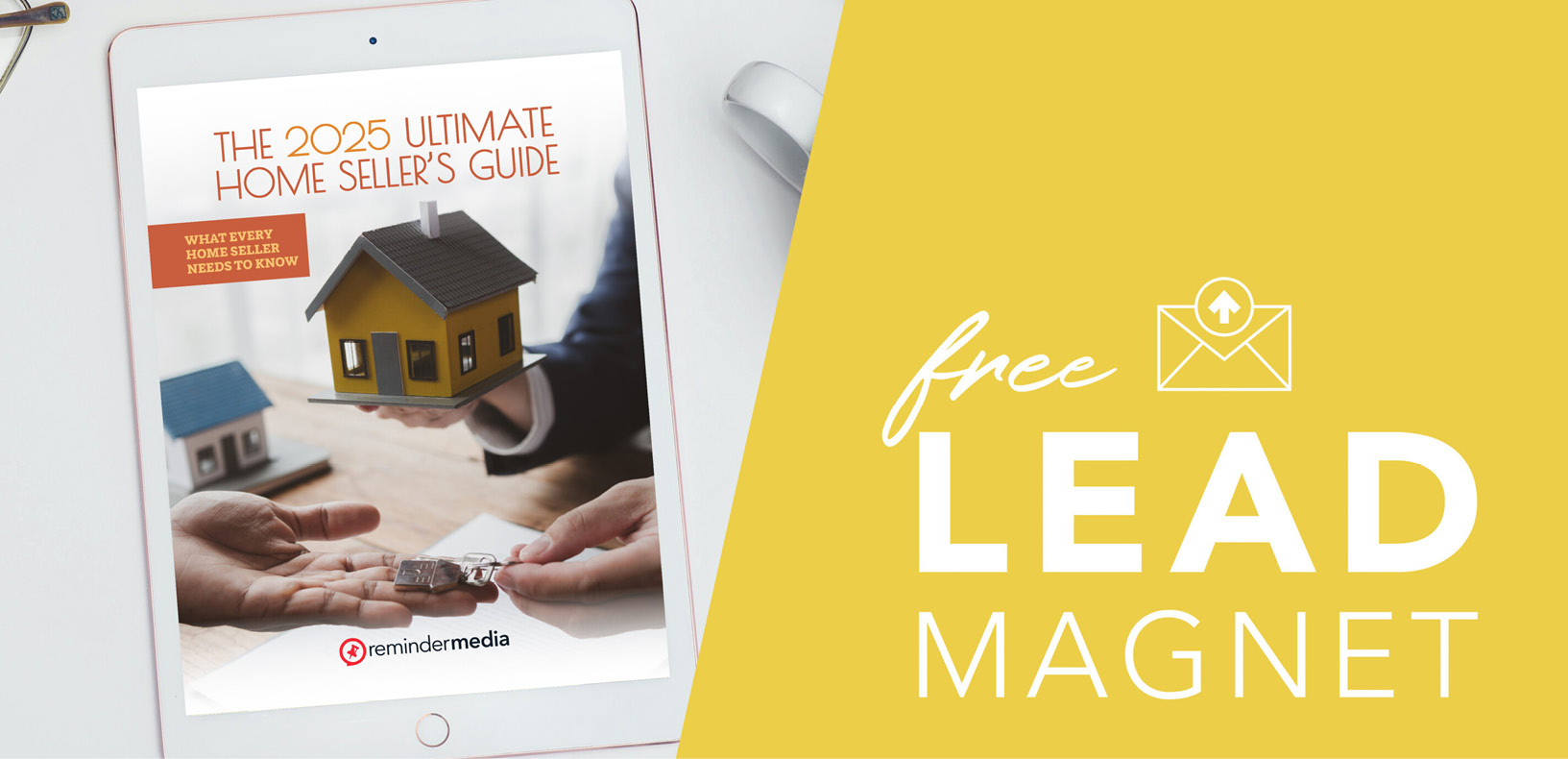
Then inside, the email should provide an item of real value that positions you as a trusted expert. For example, you might link to a local market insight: “I came across an interesting trend—home values in your area have increased by 20%! Here’s a quick article explaining why.” Per Jay, the resource should be ungated, meaning recipients aren’t required to fill out a form to access it. This ensures that it is genuinely helpful rather than seeming like a poorly disguised sales pitch.
Get more tips and insight

When you do, you’ll not only hear more about what I’ve outlined above but also discover whether spam trigger words are really a thing, why people unsubscribe from your emails (it’s not for the reason you think), and what you MUST do before using that list of leads you purchased.
Heed his advice—it can help you immediately improve your results!