Some people think marketing is about finding the next big shortcut. The truth makes terrible clickbait. But it’ll make a much bigger and more lasting difference in your business.
The fact is, the only strategies that consistently work are the ones you commit to long enough to let them pay you back. You don’t need more platforms or a new shiny tool. What you do need is a clearer picture of what actually creates ROI in the real world.
That clarity came through during a recent live caller segment on the Stay Paid Podcast. Shoutout to Nancy from Hot Springs, who shared what so many people feel but rarely admit.
She’s bombarded every day with marketing companies promising results, each one pitching a new way to become the top producer in her market. Nancy’s team is already moving more than 100 transactions a year, but she wanted to know if the money going out for this or that lead gen tool was returning enough value back in.
She also mentioned she recently added the ReminderMedia magazine to her marketing, and her clients were responding well.
But her bigger question was simple:
“How do you know where to invest?”
Her question opened the door to a conversation that revealed the real story behind what works for real estate agents and why.
The Long Game Behind ROI
Most people underestimate how long it takes for any marketing strategy to pay off.
The unpopular truth is there’s always a float. You invest money and time, and the payoff comes months (or even years) later. Our own Facebook data proves it. We closed 11 Facebook deals this year, and four came from leads that registered three years ago.
That’s why so many people walk away early. They never stay long enough to see the return.
Google has been stronger for us this year, but it follows the same rules. The quality is solid and the intent is higher, but you still need a realistic budget of $2,000 to $3,000 a month and enough patience to let the system build momentum.
No matter the source, a 24-month commitment is the minimum before you can judge whether something works.
Where ROI Actually Comes From
When we look at what separates consistent conversion from wasted spend, it comes down to the daily actions happening behind the scenes.
Here are the building blocks that actually drive ROI:
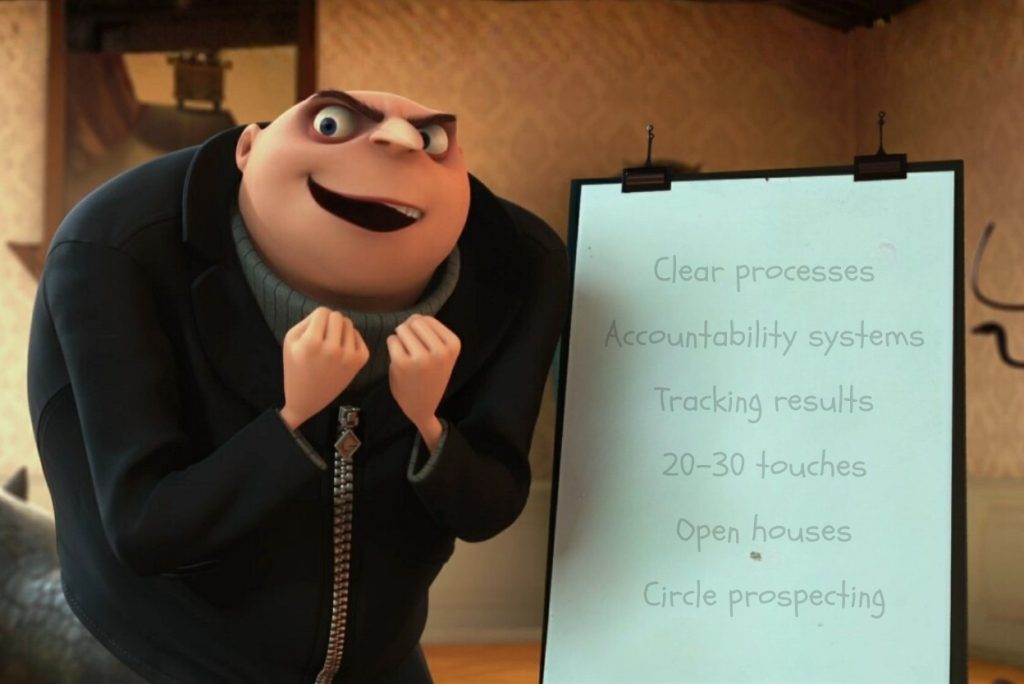
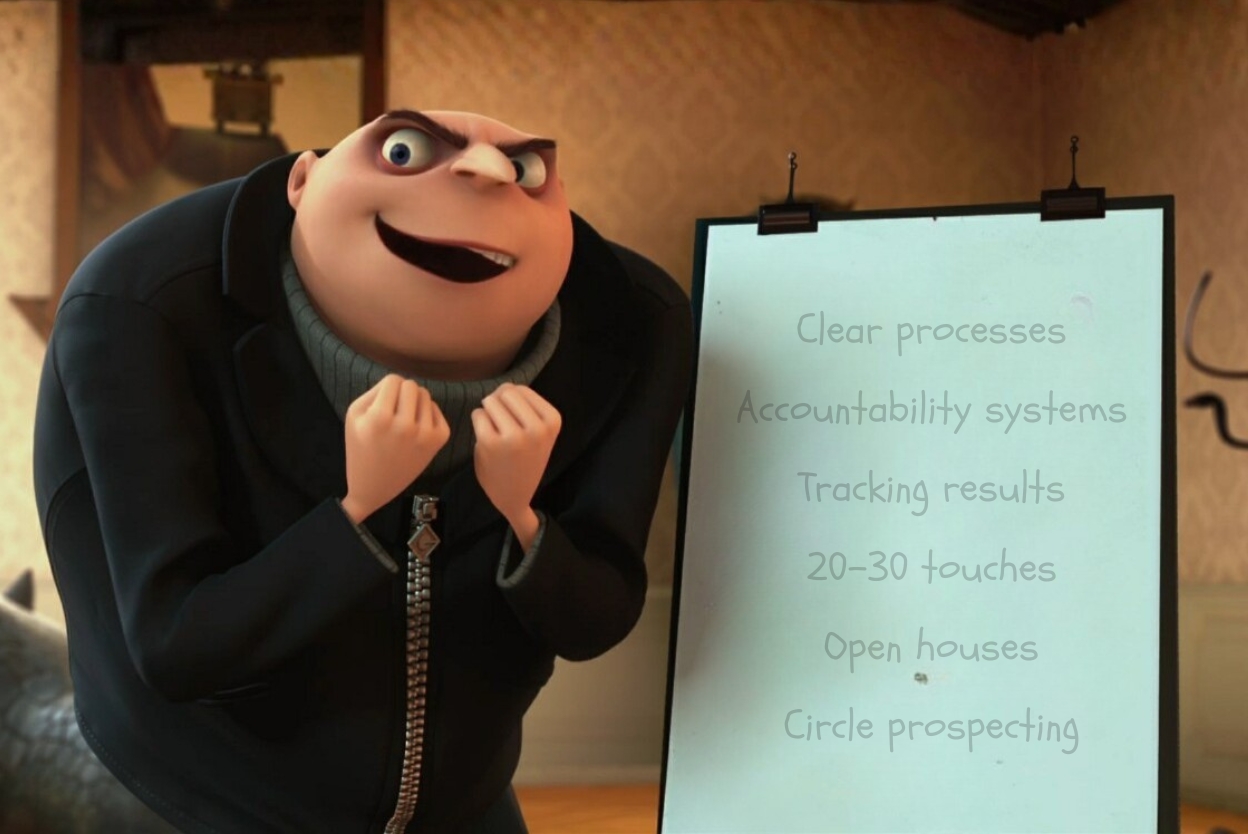
- Clear processes and SOPs that outline what happens when a lead comes in.
- Accountability systems that make sure the follow up actually gets done.
- A willingness to track results so you know which efforts to scale and which to adjust.
Stephen, who leads our operations, has tracked how many touches it takes to turn a paid lead into a closing. One or two doesn’t cut it. It often takes 20 to 30 touches.
Facebook specifically requires 18 or more calls before the chances of conversion rise. Those numbers alone explain why many people feel like Facebook is a waste of money. They never reach the follow up threshold where the payoff begins.
This is also why your sphere of influence (SOI) remains so powerful. Even on large teams, sphere drives roughly half of all closings. Nancy shared that most of her own business still comes from her sphere. That made complete sense to us. Trust accelerates everything. You don’t need 18 calls to get a response from someone who already knows you.
Low cost strategies follow the same pattern. Our team closed 21 open house deals this year. Circle prospecting delivered 23 more. Neither of those requires a large budget, but both require structure, consistency, and a willingness to follow the same steps every time.
For open houses, the rhythm looks something like this:
- Hold them every weekend until you reach a certain production level.
- Use sign-in systems that push contacts directly into your CRM.
- Follow up quickly and repeatedly.
- Host them in the same neighborhoods to reinforce your name.
Open houses and circle prospecting work because they reward consistent action with consistent opportunity.
Building a System That Compounds
If there’s one recommendation I’d give anyone looking to create long-term stability, it’s to build a geo farm and point your marketing toward it.
What that means:
- Your print pieces hit the same doors every month.
- Your Facebook and Google ads are aimed at the same households.
- Your open houses and circle prospecting efforts reinforce the same neighborhoods.
When you align your efforts in one area, you create a compounding effect. Every touch adds weight to the next one.
The early months feel slow, but that’s normal. You’re planting seeds. The payoff comes when the neighborhood starts to feel like they already know you before you ever walk through their door.
Bottom line? The biggest risk in marketing isn’t the spend. It’s stopping too early.
Nancy’s question was about ROI, but the real answer is that everything works if you work it long enough. Before adding something new, slow down and make sure you have the systems in place to support it.
If you do, the long-term return will be larger than you expect.