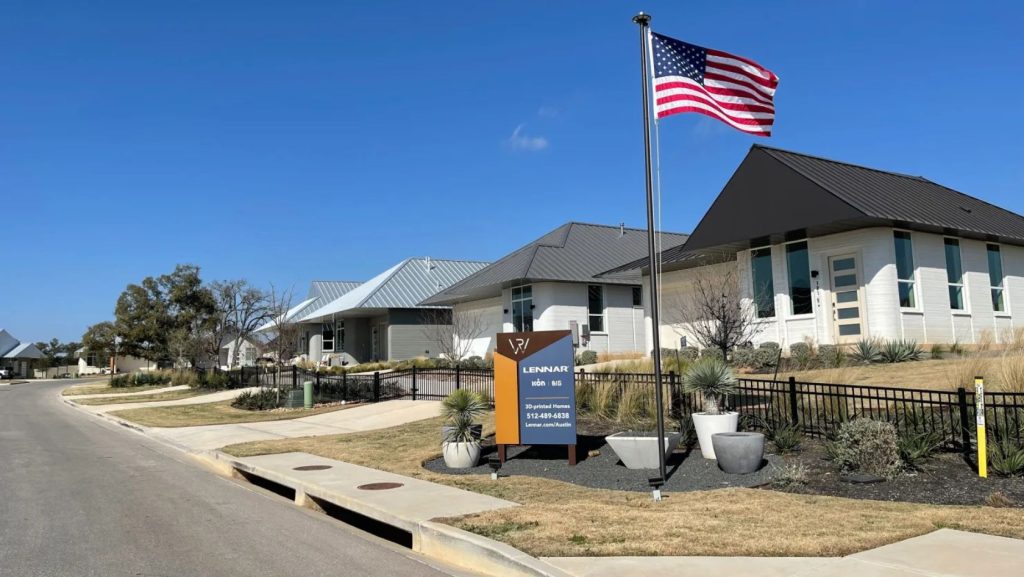


What if your next home wasn’t built with traditional wood and nails—but 3D-printed? That future isn’t years away. It’s already here.
In Georgetown, Texas, just outside Austin, Lennar and Icon have built the world’s largest 3D-printed community. With 100 homes in the Wolf Ranch development, this isn’t some small-scale experiment—it’s proof that 3D printing is changing the housing industry in real time.
And with Lennar investing heavily in a 3D-printed housing development, their success could spark a firestorm of 3D home printing across the U.S.
This could be worth sharing with any buyers in your area who are thinking tiny homes are their only affordable option.
Read on for the highlights.
A New Era of Construction: 3D Printing at Scale
Two years ago, Lennar, the nation’s second-largest homebuilder, partnered with Icon, a 3D technology company, to bring this vision to life.
The goal? Deliver durable, energy-efficient homes faster and (eventually) at a lower cost.
- 100 homes printed in two years
- 75% already sold
- 2- and 3-bedroom models, starting at just under $400,000
- Concrete walls, metal roofing, and solar power for sustainability and efficiency
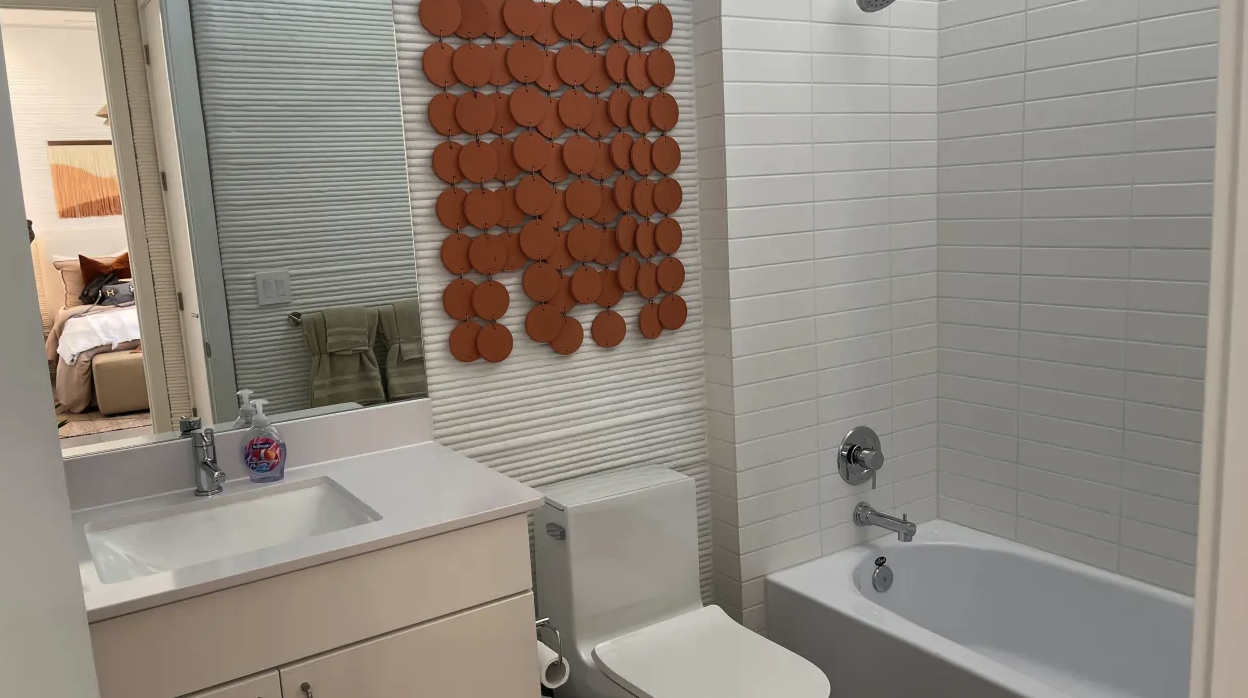
The homes don’t just look futuristic; they’re built for resilience. Concrete walls provide superior insulation, cutting down on energy bills (one homeowner’s bill was just $26 last month). They’re also more resistant to hurricanes, wildfires, and the wear-and-tear of traditional construction materials.
And that’s separate from the issue of tariffs that could drive up the cost of imported construction materials—including lumber, steel, and aluminum.
Speed, Efficiency & The Future of Affordable Housing
This isn’t just about cool tech—it’s about efficiency. Icon started printing with two 40-foot robotic printers in 2022. By year two, they had 11 machines running 24/7, cutting print time in half and producing two homes per week.
Each printer replaces the work of 12+ construction workers, potentially solving one of the biggest challenges in real estate: labor shortages.
With lessons learned from Georgetown, Lennar and Icon are doubling down. Their next project? A 200-home 3D-printed development in Texas, with larger homes and even lower construction costs. Given they’ve already cut costs and cycle times in half, expect this trend to keep accelerating.


What This Means for Real Estate Agents
3D printing isn’t just a gimmick—it’s a real solution to housing affordability, construction delays, and even natural disaster resilience. As an agent, staying ahead of trends like this is key to positioning yourself as an expert in an evolving market.
3 Key Takeaways for Agents:
- Expect more 3D-printed communities—Lennar and Icon are already scaling up.
- Tech is shifting buyer expectations—clients may start prioritizing energy efficiency, durability, and modern design over traditional builds.
- Affordable housing solutions are evolving—this could change how we talk about new construction and first-time homebuyer options.
What do you think—will buyers embrace 3D-printed homes? And are you seeing any examples of this in your market?