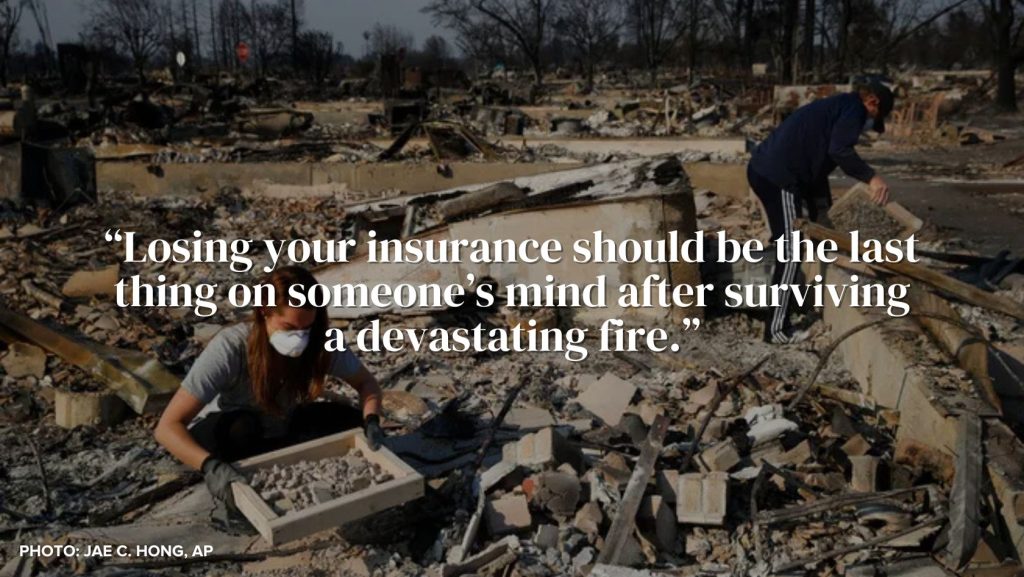


The relentless fires ravaging southern California have left thousands of homes destroyed and communities shattered. As the flames spread, two critical industries—insurance and reverse mortgages—are scrambling to adapt, with high stakes for residents in the line of fire.
Here’s a closer look at how these two sectors are navigating the disaster and what it means for residents reeling from heartbreaking losses.
Key Details from California’s Insurance Authority
Realtor.com reports California Insurance Commissioner Ricardo Lara has imposed a mandatory moratorium on policy cancellations in areas most affected by wildfires, including Pacific Palisades and the area surrounding the Eaton Fire.
The aim of this ban, effective until January 7, 2026, is to ensure homeowners in these zones will not face insurance non-renewals as they recover.
- Scope of the Ban: Applies to all homeowners within the wildfire perimeters or adjoining ZIP codes, even if they did not suffer a direct loss.
- Background: This move follows a recent rule requiring private insurers to write policies in high-risk areas if they wish to continue operating in California. Insurers are allowed to pass on these increased costs to consumers.
That said, continued coverage may be little comfort for homeowners who’ve lost multimillion-dollar homes and who are being offered pennies on the dollar in insurance coverage.
The wildfires have caused:
- Destruction of over 36,000 acres and more than 12,000 structures, with the upscale Pacific Palisades bearing the brunt of the damage.
- Estimated economic losses between $135 billion and $150 billion, with insured losses potentially reaching $20 billion, making this one of the most costly wildfire disasters in U.S. history.
However, California’s FAIR Plan, the state’s insurer of last resort, faces significant challenges. While it assures its ability to pay claims, concerns about its $700 million cash reserves persist—against billions in claims from the Pacific Palisades area alone—leading to speculation about potential bailouts or premium hikes.
Private insurers like Allstate, Chubb, and Travelers are also expected to bear a significant portion of the $20 billion in losses.
Reverse Mortgage Industry Mobilizes for Action
The reverse mortgage industry has responded quickly to the crisis, urging affected borrowers to contact their loan servicers and insurance carriers immediately. Los Angeles County, home to the largest number of reverse mortgages in the country, has seen significant impacts.
The National Reverse Mortgage Lenders Association (NRMLA) has advised borrowers to notify servicers about any property-related issues due to FHA-backed reverse mortgage requirements.
Lenders like HighTechLending, Finance of America, and New American Funding have activated emergency plans, offering forbearance options and bolstering customer care teams.
Options include postponement of monthly payments, repayment plans, and loan modifications, typically lasting 3-6 months but extendable based on individual needs.
Reverse mortgage professionals stress the importance of a proactive approach:
- Reach Out: Borrowers should connect with servicers, insurers, and FEMA to facilitate relief and navigate claims efficiently.
- Community Support: Lenders like Finance of America are leveraging employee assistance funds and local networks to aid affected borrowers.
The sheer volume of Home Equity Conversion Mortgages (HECMs) in the region highlights the need for swift action. Using data from the U.S. Department of Housing and Urban Development (HUD), HousingWire reports there are over 5,000 HECM originations in the Los Angeles–Long Beach–Glendale metro area and nearly 4,600 endorsements.
Reverse mortgage servicers are also grappling with delays due to FEMA’s declaration, pushing loan timelines out by weeks.
A State Under Pressure
California’s wildfire crisis underscores the fragility of its insurance ecosystem and the critical need for proactive measures. As homeowners and industries scramble to recover, the road ahead will demand resilience, innovation, and collaboration.
Stay informed with BAM as we learn more about the situation agents and residents are facing, including resources that can help you better serve your community in the ongoing crisis.