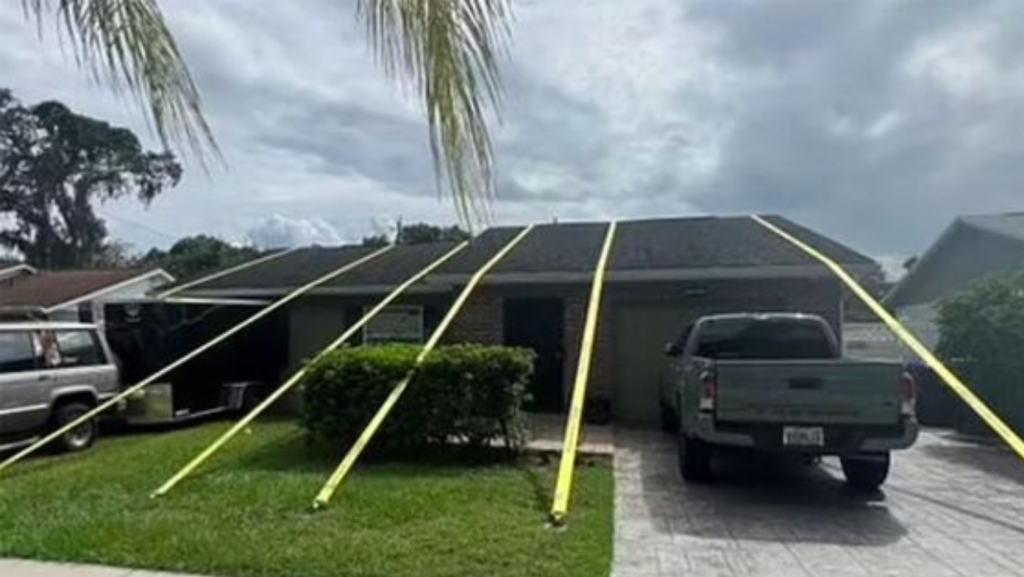
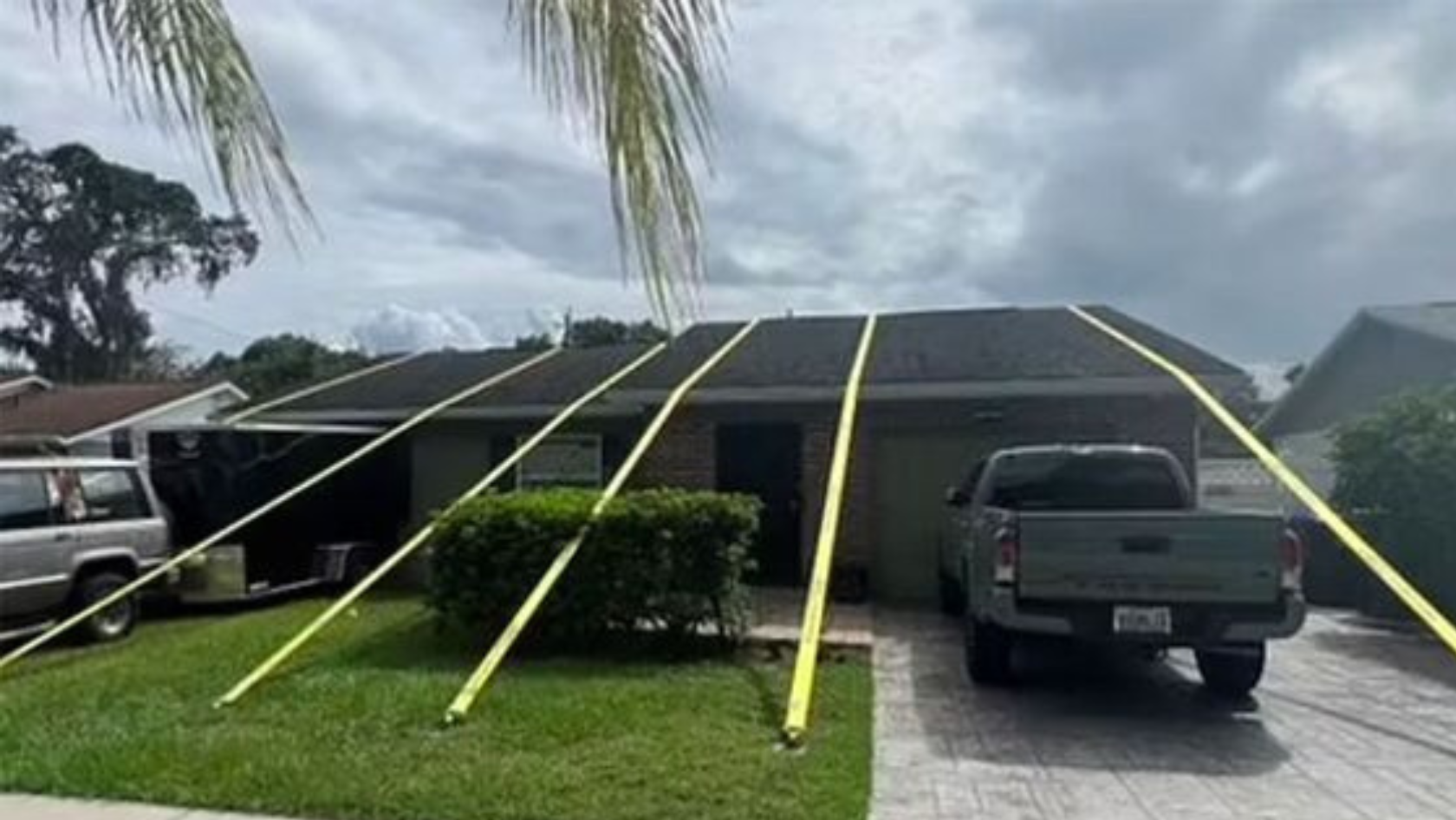

Yesterday, Florida’s Tampa Bay area felt the full brunt of Hurricane Milton, the second destructive storm to hit Florida, striking just two weeks after Hurricane Helene devastated parts of Florida as well as its neighbors up the Southeast coastline.
Aside from the tragic loss of life and millions of dollars in property damage wrought by Helene, Milton is expected to take an even heavier toll—at least in terms of property loss.
Florida Governor Ron Desantis issued a state of emergency for 51 counties. The mayor of Tampa, Jane Castor, went so far as to warn that anyone remaining in the city as Milton approached would “die,” based on a series of warnings from meteorologists.
Fortunately, before landfall, Milton was downgraded from a Category 5 to a Category 4, which is still “extremely dangerous” and destructive enough to cause millions more in damages. And that leaves homeowners with more than one source of financial stress.
Florida has the highest homeowners’ insurance premiums in the country, for reasons that should be obvious by now. And as violent storms become more frequent and devastating, the cost of insurance is causing many to reconsider where they want to live.
Hurricane Helene’s Devastating Impact
Hurricane Helene rocked the Southeast coast, with over 220 deaths and $34 billion in property damage, according to a Moody’s Analytics estimate. Helene’s aftermath resulted in 91,000 insurance claims, with nearly 40,000 still open as of this month.
Yet, despite widespread and costly damage in affected areas, there are always more people looking to move to Florida to take advantage of the state’s weather, as well as its lack of a state income tax.
One homeowner cut their home’s listing price by 40% after Helene caused nearly three feet of water damage. Within hours, they received 25 calls from eager investors.
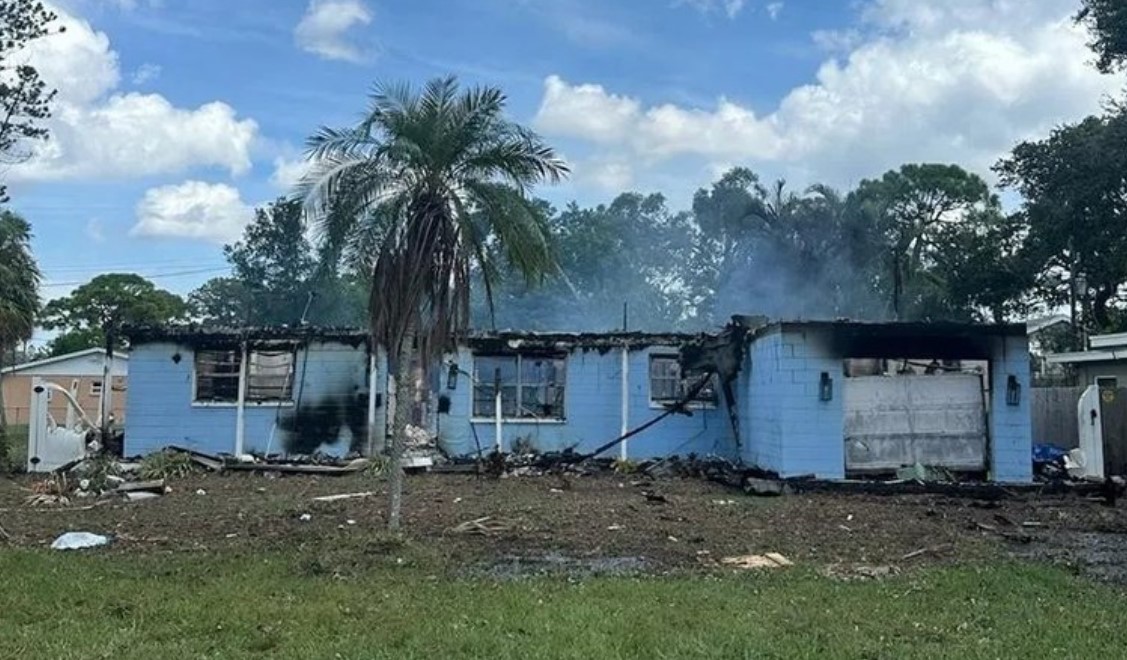
Another homeowner listed their home with images showing the house still smoldering from a fire caused by the storm. The property is listed “as is” for property value, clearly targeting buyers more interested in the location than in whether the house itself meets their needs.
Florida’s Insurance Crisis
Since private insurers have raised their premiums and even turned away applicants—and homebuyers with a mortgage are required to have homeowners’ insurance—the Florida Legislature created the Citizens Property Insurance Company in 2022 to provide insurance to eligible property owners unable to find insurance coverage in the private market.
Citizens has become the largest insurer in the state. And, as of August 2024, their policies have ballooned to over 1.25 million—up from 420,366 five years ago (August 2019).
As Newsweek reported last Friday, over 648,000 Citizens policies will be transferred to private insurers in October and November of this year as part of a “Depopulation Program” (which isn’t quite as grim as it sounds, though the homeowners whose policies go private may have different opinions on that).
Rising Insurance Costs and Concerns
Florida homeowners have some of the highest homeowners’ insurance premiums in the U.S., with an average annual premium of $5,527 for a $300,000 home—compared to $2,071 in Georgia and $2,745 in Alabama.
Some insurance providers have raised their rates by over 300% in Florida, while others have abandoned the Florida market entirely.
A homeowner south of Tampa pays $7,000 a year—or about $580 a month—in flood and hazard insurance for a 1,400-square-foot bungalow. And the devastating impact of Helene has at least one in five (23%) Redfin survey respondents expecting an increase in insurance costs for their region, with nearly one-third (32%) of Southern respondents particularly concerned.
According to Mike Frantantoni, chief economist for the Mortgage Bankers Association (MBA), “consumers should likely expect insurance rates to go up in the immediate aftermath of Helene and Milton.”
In the aftermath of the 2007-08 financial crisis, the Dodd-Frank Act and other corrective mortgage regulations were primarily “geared to preventing payment shock,” Fratantoni said. That’s no longer the case, mainly because the cause of payment shock is no longer something mortgage lenders can control.

We’re essentially in a market now where there isn’t payment shock from the mortgage components anymore, and we thought we had developed a much more stable system,” he said. “So, it’s a real challenge now that payment shock is not coming from the mortgage or from the interest rate moving — because so many folks have a fixed-rate mortgage — but the increase in payment is coming outside of mortgages, from insurance and in property taxes.
Climate Change and Shifting Housing Preferences
According to the previously-mentioned Redfin survey, nearly one-third of young adults (defined by Redfin as those aged 18-34) are reconsidering where they want to live due to the aftermath of Hurricane Helene.
By contrast, just 15% of survey respondents aged 35 and up said the hurricane made them rethink their future plans of where to move. And nearly half of all survey respondents (45%) have not changed their housing plans, despite recent natural disasters.
Severe weather events—from hurricanes and flooding to intense heat and wildfires—are happening across the county, pushing some Americans to reconsider housing markets previously considered “safe” from those risks. Meanwhile, other Americans weigh the risks of other places and decide the risks they know are better than the ones they don’t.
Where home damage is concerned, if you have to choose between an elevated risk of hurricanes and flooding, wildfires, or tornados, which would you pick?

Scores of Americans flocked to the Sun Belt during the pandemic because remote work allowed them to take advantage of the region’s relatively low cost of living.
Some thought Appalachia was insulated from hurricane risk, not realizing that the area is prone to flooding and that hurricanes can sometimes cause flash flooding far away from the ocean. Americans are beginning to realize that nowhere is truly immune to the impacts of climate change, and we’re starting to see that impact where people want to live — even people who haven’t experienced a catastrophic weather event firsthand.
Future Outlook and Resilience
Storm experts predict that hurricanes like Milton could further destabilize Florida’s property insurance market and drive up premiums.
Efforts to fortify homes against extreme weather—-such as Florida’s new roof requirements— are helping reduce property damage rates for newer homes. Meanwhile, homes constructed to meet less stringent building codes will require a different approach.
Tom Larsen, the associate vice president of hazard and risk management at CoreLogic, mentioned this while highlighting the difference between Florida markets and those further north along the coastline.
“[Fortification] works really well in an area like Florida that’s growing rapidly, but it’s not as effective in areas like North Carolina and Georgia where the housing in those communities is not growing as much.”