


Whether you’re a seasoned real estate professional or just starting out, mastering these principles can significantly boost your success in the marketplace.
1. Principle of Leadership
It’s better to be first than it is to be better. Think of the top-volume real estate team in your market. The name probably comes to mind immediately. Now, try to name the second. You likely have to think about it and maybe even do some research. Buyers and sellers do the same. This is why you should strive to be at the top.
Leveraging social proof can significantly boost your credibility and leadership position in the market. Social proof involves leveraging the opinions and experiences of others to build credibility. In real estate, this can include written testimonials, video reviews, and case studies.

Encouraging clients to leave reviews on platforms like Google, Yelp, and Zillow is another effective strategy. For more review best practices, read last week’s article on how to get the most out of your Google reviews.

2. Principle of Specialization
If you can’t be first in a general category, create a new, specialized one.
The Principle of Specialization highlights the importance of carving out a niche if you can’t be first in a general category. I’m sure you’ve heard the phrase, “riches are in the niches.” Instead of trying to compete directly with established leaders, focus on a unique segment where you can excel and become the go-to expert.
The Power of Niche Marketing
Specialization allows you to stand out in a crowded market by focusing on a specific group of clients or type of property. This approach not only reduces competition but also enables you to tailor your marketing efforts more precisely.
Below are some examples of niche marketing in real estate.
First-Time Home Buyers
Many new agents choose to specialize in helping first-time home buyers. This niche has unique needs and challenges, such as navigating the complexities of mortgages and understanding the buying process. By becoming an expert in this area, you can provide invaluable guidance and support to clients who may feel overwhelmed by their first home purchase.
Downsizing Specialists
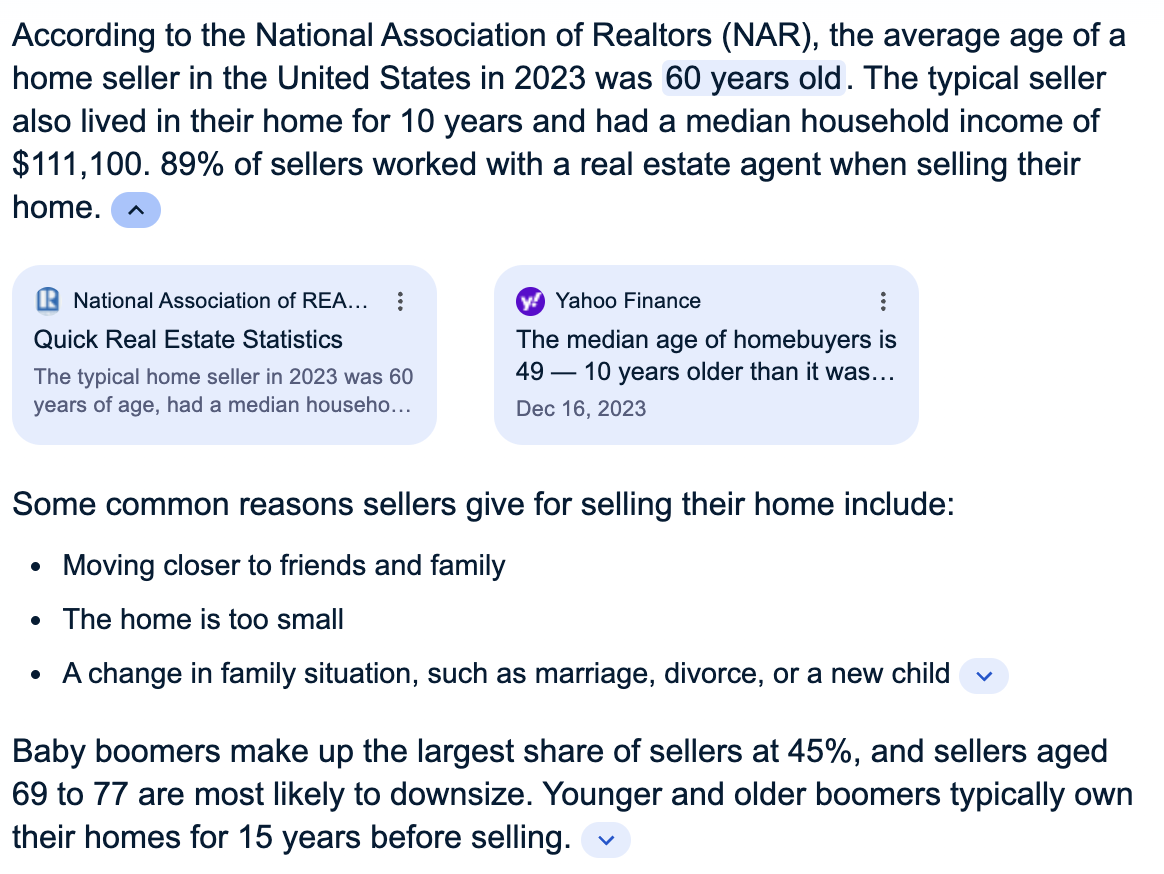
Another niche is focusing on clients looking to downsize. Did you know the average home seller in the US is 60 years old? With the average time living in a home climbing to 11 years, this demographic is literally getting even older. Downsizing involves unique considerations, such as emotional attachment to a long-time family home and the logistics of moving to a smaller space. By marketing yourself as a downsizing specialist, you can offer tailored services that address these specific needs.
Luxury Properties
Specializing in luxury properties is another effective niche. This market segment demands high-end marketing materials, personalized service, and extensive knowledge of upscale neighborhoods and amenities. By positioning yourself as an expert in luxury real estate, you can attract high-net-worth clients who expect top-tier service.

Surprisingly, breaking into the luxury market can be easier than you might think. Despite the allure of luxury listings, many agents are intimidated by the perceived challenges, such as the higher costs associated with marketing luxury properties and the longer days on market. This intimidation factor significantly reduces competition, creating an opportunity for those willing to put in the effort.
Want to get started? Read my BAM article titled “7 Dirt-Cheap Gifts That Could Land You Million Dollar Listings” on how just a few dollar store trinkets and some hard work could secure you a luxury listing within seven weeks. With the right strategies and dedication, you can carve out a niche in the luxury real estate market and start attracting high-end clients.

Investment Properties
Focusing on investment properties is another lucrative niche. Investors are looking for agents who understand the financial aspects of real estate, such as ROI, cap rates, and property management. By becoming well-versed in these areas, you can provide valuable insights and build long-term relationships with investor clients.
One of our partner agents on the Fox Homes Team, Stephanie Lin, has developed a unique and highly successful niche in investment properties.

Stephanie’s specialization revolves around leveraging her access to local data centers and tech hubs. These hubs employ highly skilled workers typically on one—to two-year assignments. This dynamic workforce presents a prime opportunity for investment properties geared towards short-term rentals.
Stephanie’s process begins by identifying properties that meet her clients’ buy-and-hold investment criteria. She collaborates with her clients to understand their cash flow goals and financial expectations. Once the ideal property is found and purchased, Stephanie takes it a step further by furnishing the home, making it attractive and ready for immediate occupancy.
What sets Stephanie apart is her innovative approach to “house hacking” the property to maximize cash flow. By strategically filling each room with low-risk tenants, she ensures that the investment yields the highest possible returns. This method not only meets the demand for quality housing among tech professionals but also provides her clients with a steady and robust income stream.
A deep understanding of the local market, combined with her creative strategies, makes Stephanie an invaluable asset to her investment clients. Her expertise allows her to offer tailored advice and hands-on management, ensuring that her clients achieve their financial goals.
By specializing in investment properties and adopting innovative techniques, you too, can carve out a niche in the real estate market. Understanding the financial intricacies and developing unique strategies to maximize returns will position you as a trusted advisor to investor clients, fostering long-term, profitable relationships.
3. Principle of Mindshare
The Principle of Mindshare emphasizes that it’s better to be first in prospects’ minds than first in the marketplace. This principle hinges on the idea that once a person’s mind is made up, it’s incredibly difficult to change. Therefore, establishing a strong presence early on is crucial.
The Importance of Being First in the Mind
Being first in the minds of your prospects means that when they think about buying or selling real estate, your name or brand is the first one that comes to mind. This concept is powerful because once you occupy this prime mental real estate, your chances of being chosen over competitors increase significantly. Trying to dislodge an established leader from someone’s mind can be costly and often futile, making initial mindshare capture essential.
Making a Big Impression
To secure mindshare, it’s not enough to gradually build awareness. You need to make a significant, memorable impact. This often requires a combination of strategic marketing initiatives and community engagement.
Neighborhood Events
Hosting neighborhood events is an effective way to become a familiar and trusted face in your community. Events like “Breakfast with Santa,” “Easter Egg Hunts,” or community clean-up days provide opportunities to connect with local residents in a meaningful way. These events show that you’re invested in the community, not just in selling homes.
Staying Top of Mind
Maintaining mindshare requires consistent, ongoing efforts. Here are some effective strategies:
- Regular Phone Call Check-Ins: Personal phone calls can help maintain a connection with past and potential clients. Regularly checking in shows that you care about their well-being and keeps you top of mind when they or someone they know needs real estate services.
- Handwritten Notes: A handwritten note can make a lasting impression. Sending personalized notes for birthdays, anniversaries, or just to say thank you can strengthen client relationships.
- Weekly Email Newsletters: A consistent weekly newsletter keeps your audience informed about market trends, new listings, and valuable tips. It positions you as a knowledgeable expert and keeps your name in front of your contacts regularly.
- Pop-bys or Client Giant Gifting Campaign: Implement a raving fan past client gifting program such as Client Giant. This involves sending thoughtful gifts to past clients at regular in quarterly intervals, creating a lasting positive impression and encouraging referrals.
4. Principle of Perception
The Principle of Perception underscores that real estate marketing is not merely a competition of your buying and listing services but a contest of perceptions. It’s not just about what you offer; it’s about how your potential clients perceive what you offer. Understanding and managing these perceptions can make or break your success in real estate.
Quality as a Core Value
On the Fox Homes Team, we have a core value that guides all our actions: Quality is THE business plan. This value governs everything we do. We never skimp on best-in-class photos and HGTV-style videos for our listings. While investing in high-quality marketing materials may not seem to move the needle in real-time, over the long term, it makes a significant impact. Your sphere of influence starts to take notice that you consistently deliver high quality, and that’s how you win them over in the long run.

In our business, we often see each other’s videos regularly, but buyers and sellers do not. If marketed effectively with YouTube Ads, I promise the market will perceive you as the best they’ve personally seen. High-quality marketing materials help create a positive perception that can distinguish you from your competitors.
The Impact of Negative Perception
A dominant agent’s business can fall due to one negative social media post that goes viral. This illustrates how fragile perceptions can be. A single misstep or negative review can quickly spread and damage your reputation. Therefore, it’s crucial to be conscious of your brand’s image and protect it at all costs.
Negative Case Study: Food Truck Open House
Last year, we planned a food truck open house and sent a letter inviting the 250 closest neighbors. Our goal was to create a busy event to make the open house more appealing to actual buyers, hoping it would help drive offers higher and, in turn, increase the neighbors’ home values.
However, one neighbor shared our “a little too on the nose” letter on Nextdoor, calling it deceptive. This could have easily jeopardized our good standing in the community.
Instead of getting defensive, we chose to apologize and explain our intentions. We clarified that our goal was to create a lively atmosphere that benefits everyone. Most of the neighborhood came to our defense, but it was a valuable lesson learned. It showed us the importance of clear communication and the potential impact of even a single negative perception.
5. Principle of Focus
The Principle of Focus asserts that the most powerful concept in marketing is owning a word or a specific idea in a prospect’s mind. This is about creating a strong association between your brand and a singular, compelling concept that resonates deeply with your target audience. Let’s explore how this principle can be effectively implemented, drawing from a real-life example from the Fox Homes Team.
The Power of Owning a Concept
In marketing, it’s crucial to narrow your focus to a single word or concept that you want to own in the minds of your prospects. This focused approach helps in creating a memorable and compelling brand identity. The goal is to engrain this word or concept so deeply that when potential clients think of that word, they think of your brand.
For instance, in our commercials, we initially highlighted that our listings get 100,000 views. This figure was impressive, and we believed it showcased the extensive visibility we could offer to prospective sellers. However, we decided to test this assumption.
A/B Split Test: Visibility vs. Satisfaction
To understand what truly resonated with our audience, we ran an A/B split test. One ad campaign continued to focus on the “100,000 views” message, while the other emphasized our ranking as “#1 in customer satisfaction.”
100,000 Views: This message aimed to convey the significant exposure and visibility our listings receive, which we thought would be a major selling point for prospective sellers.



6. Principle of Duality
In the long run, every market becomes a two-horse race. People don’t choose the leading brand because it’s better; they choose it because it’s perceived as better. When you look at your market, there is likely a dominant first-place team, a distant second, and an even more distant third.
7. Principle of Differentiation
Study the firm above you. Where is it strong? How can you turn that strength into a weakness? Don’t try to be better; try to be different. For example, if you’re presenting to a seller who has already interviewed with the dominant agent in your area, turn their marketing strength into your advantage.
Without naming the agent, you could say, “Some agents might tout the virtues of mailing postcards to an avatar buyer or neighbors, which is great for marketing to future sellers, but it doesn’t bring buyers. Let me show you how I directly target buyers…”
8. Principle of Long-Term Perspective
Marketing effects take place over an extended period. Short-term gains often lead to long-term losses. Rebates or discounts can condition buyers and sellers to expect them forever. It’s better to focus on sustainable marketing strategies that build long-term value and trust.
Sustainable Marketing Strategies
Focusing on sustainable marketing strategies involves investing in approaches that build long-term value and trust. These strategies may not yield immediate results, but they contribute to a strong and stable business over time.
1. Content Marketing: Creating valuable, SEO-friendly informative content that addresses the needs and concerns of your target audience can establish you as a trusted authority in the real estate market. This could include blog posts, videos, newsletters, and social media updates that provide insights, tips, and market updates.

3. Consistent Branding: Maintaining a consistent brand image and message across all marketing channels reinforces your identity and values. Consistency in branding helps build recognition and trust, making it easier for clients to remember and choose your services.
4. Quality Over Quantity: Focus on providing high-quality service and marketing materials. Best-in-class photos, HGTV-style videos, and detailed property descriptions can set you apart from competitors. Quality marketing efforts reflect your professionalism and dedication, which clients appreciate and remember.
9. Principle of Candor
The Principle of Candor suggests that admitting a negative can lead to a positive outcome. This approach may seem counterintuitive, but it is a powerful way to build trust and credibility with clients. By being honest and upfront about potential downsides, you demonstrate transparency and integrity, which can endear you to clients and make them more likely to choose you over competitors.
Example of Self-Deprecating Honesty
When introducing myself and our strategy to sellers, I often start with a bit of self-deprecation: “I run the Fox Homes Team with my wife of twenty years, Devon. I wish I could say we’re the number one team locally in sales volume, but we’re only number three. However, we are number one in client satisfaction with over 1,700 reviews, and we’re on pace to close over $200 million in sales this year.”
This approach does several things:
- Builds Trust: By openly admitting that we’re not the top in sales volume, we come across as honest and relatable.
- Highlights Strengths: Immediately after acknowledging the perceived negative, I emphasize our strengths—client satisfaction and impressive sales figures. This creates a balanced and trustworthy image.
- Humanizes the Brand: Mentioning my long-term partnership with my wife adds a personal touch, making us more relatable and approachable.
Additional Example of Candor
At open houses, I often employ candor when discussing property features. For instance, I might say, “The first thing I would do if I were buying this home is put in quartz or granite countertops in the kitchen. But the good news is that the roof, windows, and HVAC have been recently replaced.”
This honesty about potential improvements, balanced with positive news, helps build trust and credibility with potential buyers. They see me as a straight shooter who provides a realistic picture of the property.
10. Principle of Adaptability
Long-term business plans seldom work in real estate due to fluctuating interest rates, politics, and other fast-changing market conditions. You need to be adaptable and ready to change quickly. Or as we like to say, we’re in the boat paddling it, every day. Embrace an experimental approach, split-test everything, and adjust accordingly. To get all my latest split-tested marketing findings, make sure to sign up for my real estate marketing newsletter here.
11. Principle of Humility
Success often leads to arrogance, and arrogance to failure. The largest volume teams can be disrupted by an upstart because they are stuck in their old ways. Constantly learning and adapting is crucial in this business. If you’re not evolving, you’re stagnating. And if you’re stagnating, you’re dead.
12. Principle of Resourcefulness
Even the best idea won’t take off without adequate resources. As a new agent, this might mean working hard for every listing opportunity you can get. The most obvious places (expired, canceled, and FSBOs) are the most competitive. Look deeper into your MLS for out-of-state expiring leases in your market. Develop a plan to market to them seven times over seven weeks until you’re top of mind. For more detailed strategies, check out my book Six Weeks to Real Estate Success available now on Amazon.
And Finally…number 13. Principle of Resilience
Recognize when a marketing idea that sounded great in your head and on paper doesn’t bring a return on investment, and cut your losses. Failure is a part of the journey, and being able to pivot and move on quickly is key to long-term success. Embrace failures as learning opportunities and keep pushing forward.
As you apply these 13 principles to your business, remember Winston Churchill’s words: “Success is not final, failure is not fatal: It is the courage to continue that counts.”
Stay resilient, stay focused, and keep pushing forward. Your dedication and hard work will pay off, and you will create a legacy of excellence in the real estate market.
Now, go out there, apply what you’ve learned, and watch your business explode.