


Let me start with something that every real estate agent needs to hear:
The business happens on the client’s clock. Not yours.
Not when you’re ready. Not when your calendar’s open. Not when you’ve had your third coffee of the day. It happens when they call, text, or click.
And if you’re not answering, someone else will.
Speed Matters
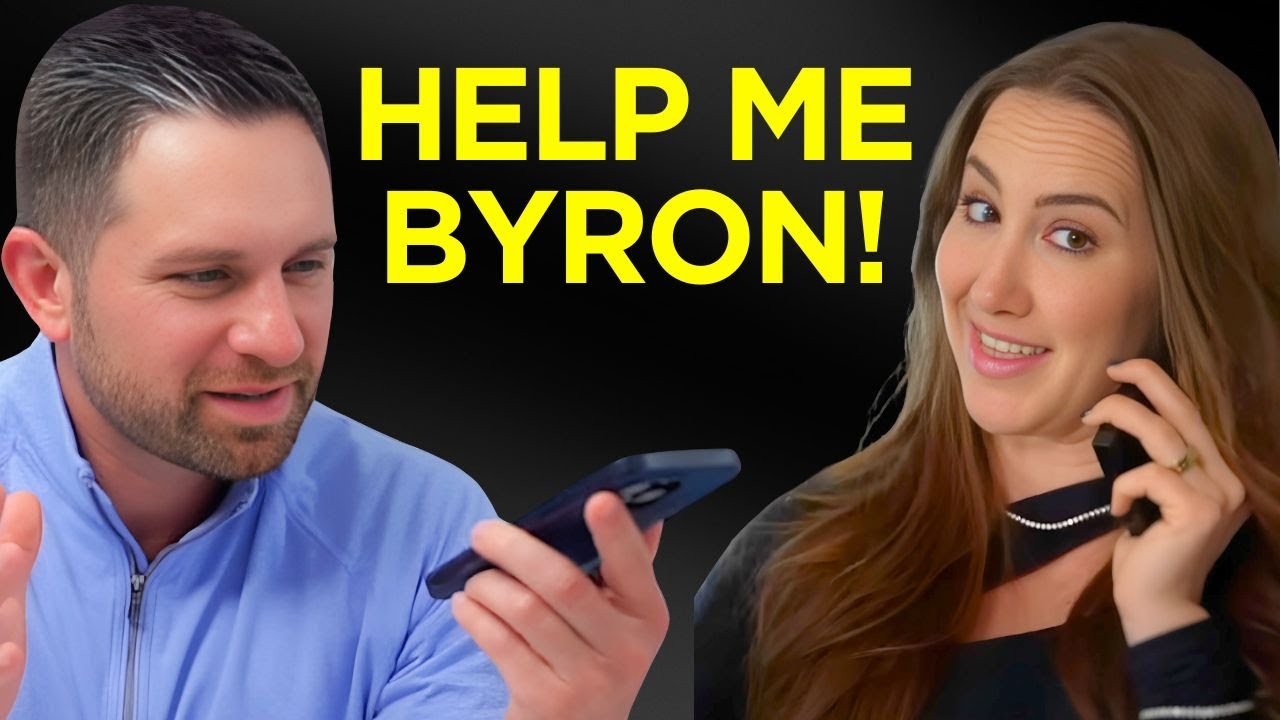
In a recent roleplay session with BAMx members, I played a YouTube video by investor and entrepreneur Codie Sanchez.
Codie wanted to buy land in West Texas, and she did what most consumers do when looking for a new service:
- Googled top-rated Realtors in the area
- Called three of them back-to-back
- Was prepared to go with whoever answered first
- Prioritized speed above all other factors
Guess what happened?
Crickets.
None of the agents answered the phone, so she left voicemails. Eventually, one out of the three agents called back and left a message, telling her that her chances were slim.
This explains why 81% of consumers sign with the first agent they talk to, according to NAR. Business happens on the customer’s schedule, whether we’re running on three hours of sleep, don’t feel like picking up the phone, or just trying to maintain work-life balance.
Side note: If you want to practice these types of scenarios with me, join BAMx for live role-play sessions every month.
Two Ways to Solve the Speed Problem
So, how do we solve the speed problem? There are two primary approaches to address this reality:
1. Build Call Infrastructure
- Establish an ISA team
- Implement VA support
- Hire a full-time executive assistant
Even with this infrastructure, there will still be gaps in call coverage.
2. Accept the Reality: Work-Life Balance Doesn’t Always Exist in Real Estate
When calls come in at inconvenient times, we need to remind ourselves that our only mission is to set the appointment. You can create urgency on the call by setting the appointment within the first sentence:
“I’m walking into [appointment]. I want to make sure I get all the information, but I’m not in a place where I can take detailed notes. Why don’t we do this—give me the most important problem you’re trying to solve or question that you have, and we’ll save everything else for tomorrow at 3:00.”
The ALM Approach: Address, Location, Motivation
Zillow has analyzed thousands (probably millions) of calls and developed a simple format for setting appointments: Address, Location, Motivation (ALM).
Handling Buyer Calls with ALM
For buyers inquiring about a property, determine the following information:
- Appointment: Secure the appointment
- Location: Ask about preferred locations
- Motivation: Discover why they’re looking now and what’s important to them
I don’t recommend doing a buyer consultation over the phone. You’ll have to repeat it when you meet in person anyway, as people retain less than 50% of information shared over the phone versus face-to-face.
Handling Seller Calls with a Similar Approach
When a potential seller calls about possibly selling their home, you can structure the call the same way:
- Acknowledge their primary concern
- Set the appointment immediately: “I’m walking into a closing, but I understand exactly what you’re looking for… I’ll start the analysis on my end this afternoon. Why don’t we do this? I could come by tonight at 6:00…”
- Confirm the appointment time and request their contact information
- Promise follow-up information before the meeting
The key is to listen for their main concern, acknowledge it, and then drive the conversation to setting an in-person appointment. Once face-to-face, you can have deeper discussions about their next move and other factors that would be difficult to address effectively over the phone.
Example Script for Setting Appointments When Short on Time
Here’s a sample script for a complete ALM call:
Agent: “Hi, this is [Name]. I’m a local agent with [Brokerage and team name] and a premier partner of Zillow’s. I see that you’re interested in 123 Main Street. When would you like to go see it with me?”
Buyer: “I’d like to see it today at 3:00.”
Agent: “Today at 3:00. Absolutely. Just a quick question—what specifically drew you to this home?”
Buyer: “This is the first one we’ve seen with a fenced-in yard. We’ve got dogs; everything else, we’d have to put a fence up.”
Agent: “Fenced-in yard. Absolutely. What other properties do you want to see while we’re out at 123 Main Street?”
Buyer: “I haven’t seen anything. Most of the stuff is either too overpriced or doesn’t work.”
Agent: “Perfect. So we’ll look to get into 123 Main Street later this afternoon around 3:00 PM, and I’ll send you confirmation details right after our call. If I uncover any other properties for comparison that have that fenced-in yard, would you be open to seeing them after?”
Buyer: “If you can find one that’s set up like this one within 15 minutes, I’d be open to it.”
Agent: “Perfect. I’ll text and email you shortly to confirm our property visits. I’ll also send over a Connecticut disclosure form that explains agent-consumer relationships—no signature needed on that one. Along with it, I’ll include our buyer representation agreement for these properties. This form will need a quick e-signature, but if anything’s unclear, just give me a shout and I’ll walk you right through it. Does that sound good?”
The Perfect Setup for Representation Forms
Notice how the agent smoothly introduced paperwork in the above example. Rather than trying to go through all the fine print over the phone, let the buyer know what is coming to them:
“There are two forms coming over. One’s read-only—you don’t have to sign it. It just explains the relationship between agents and consumers. The second form is our agreement for these properties we’re going to be viewing.”
If your client says they can’t review the forms before meeting (blocked by work computer, etc.), simply say:
“No problem. I’ll print and bring hard copies. We’ll review them at the property before our tours.”
Most real estate boards now have disclosure forms that require no signature—just a form explaining agent-consumer relationships. If you don’t have one, consider creating a simple read-only form that explains these relationships.
Why This Works
This approach works because:
- It respects the consumer’s priority for speed
- It establishes you as responsive and professional
- It gathers just enough information without overwhelming the client
- It secures the appointment (your primary objective)
- It creates a clear path to representation
Remember, when consumers value speed above all else initially, your ability to respond quickly and set the appointment efficiently can be the difference between winning and losing the business. The business happens on their watch—our job is to be ready when opportunity calls.
And if you want to dive deeper and practice these types of scenarios in real time, join me in BAMx, where I host live role play sessions every month.