


In real estate, understanding the psychology of persuasion is a no-brainer. That’s why we give a copy of Robert Cialdini’s seminal work, Influence: The Psychology of Persuasion, in our welcome packet to every new hire for the Fox Homes Team. This book offers valuable insights that can be applied to real estate marketing and sales, providing our team members with a solid foundation in the art of ethical persuasion.
Cialdini’s principles have stood the test of time, proving their worth across various industries, including real estate. By arming our team with this knowledge from day one, we ensure they’re equipped to navigate the complex world of real estate transactions with finesse and integrity.
Let’s explore how these principles can be leveraged in your real estate business, transforming the way we interact with clients and close deals. Understanding and applying these concepts can significantly elevate your real estate game.

1. Reciprocation: The Power of Giving First
Cialdini’s principle of reciprocation offers a powerful strategy: give value first, and clients are more likely to reciprocate.
How to Apply Reciprocation in Real Estate
1. Free Market Analysis: Offer a comprehensive Video CMA-a-Day (Comparative Market Analysis) at no cost.
2. Neighborhood Insights: Share valuable, insider information about local areas.
3. Create and share: 60-second citywide market updates on NextDoor and YouTube ads
4. Client Giant: Set your top past clients, SOI, and referral partners up to receive quarterly gifts.
5. Activate reciprocity in your advertising with YouTube ad sequences following Gary Vee’s “Jab, Jab, Jab, Right Hook” strategy. Here’s an example of what this could look like:
Market Update:

7 Steps to Downsizing Your Home:

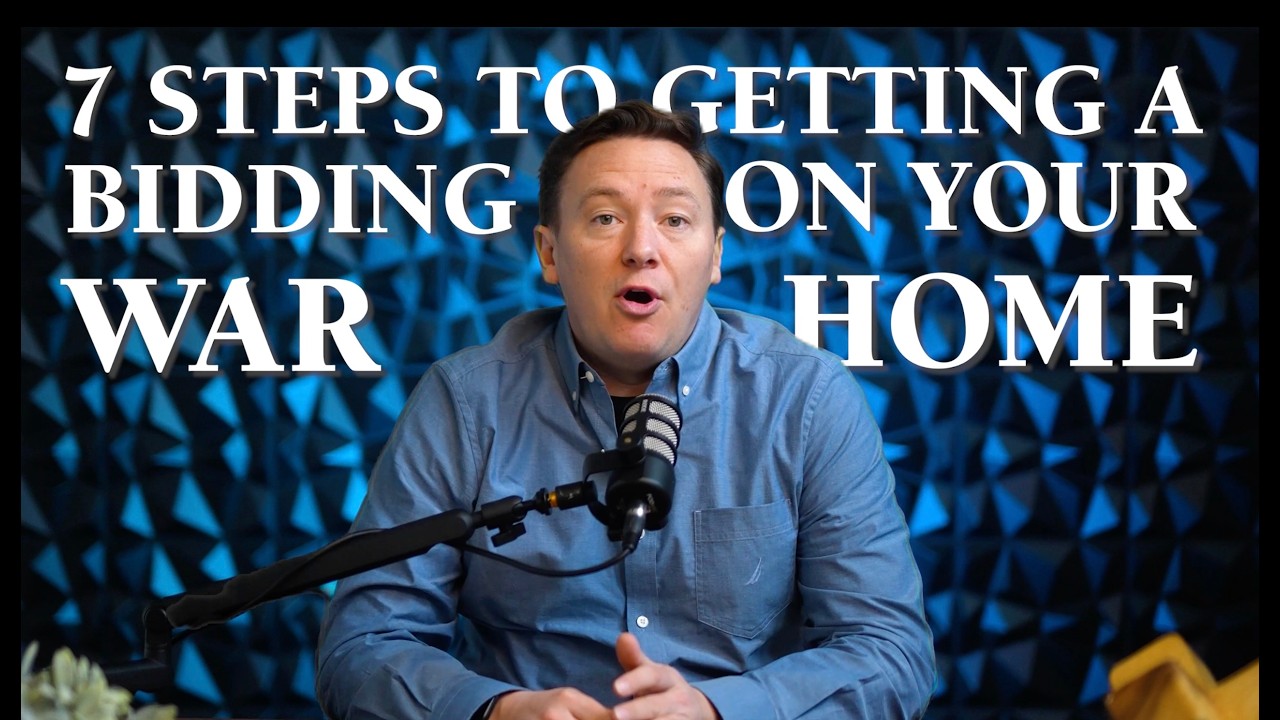
7 Steps to a Bidding War:
Direct Response Commercial:

Reciprocity Caution:
Be wary of accepting favors from industry peers (e.g., free lunches from lenders or title companies). These can create a sense of obligation that might influence your decisions later.
Remember: The goal is to provide genuine value, not to create a manipulative sense of obligation. Build trust through generosity, and watch as potential clients naturally want to return the favor!
2. Commitment and Consistency: The Art of Getting a “Yes”
Once people commit to something, they’re more likely to follow through. In real estate, this principle can be applied in various ways.
Cialdini’s principle of commitment and consistency states that people have a strong desire to be (and appear) consistent with their past actions and commitments. In real estate, this principle can be a powerful tool for closing deals and fostering client relationships.
Real-World Application: Google Local Service Ad Callers
My wife Devon and I lead the Fox Homes Team. With over 1,700 five-star reviews on Google, we instruct our partner agents to leverage the commitment and consistency principle in every Google Local Service Ad call.
Here’s our three-step strategy:
- Ask About Discovery: Instruct agents to ask callers how they found the team.
- Elicit Commitment: Callers typically mention the team’s excellent reviews, making a verbal commitment to this positive perception.
- Reinforce Consistency: Agents confirm the caller’s statement with a response like, “Thank you, we work really hard on that. It’s nice to be noticed.”
Here’s the psychology of why this works:
- Initial Commitment: By stating that they chose the team due to positive reviews, callers make a verbal commitment to their decision.
- Consistency Principle: Having committed to this positive perception, callers are more likely to maintain consistency with their initial judgment throughout the interaction.
- Reinforcement: The agent’s confirmation solidifies the caller’s commitment and positive perception.
- Building Trust: This approach subtly establishes trust and credibility from the very first interaction.
Applying the Principle with Encouraging Offers
When dealing with potential buyers, always encourage them to submit an offer, even if it’s below the asking price. This initial commitment is crucial because:
- It psychologically moves the buyer from a passive observer to an active participant in the process.
- Once committed to writing an offer, buyers are more likely to engage in further negotiations.
- The act of making an offer can increase the buyer’s emotional investment in the property.
3. Social Proof: Leveraging the Power of Testimonials
Social proof is a powerful force in real estate. When faced with uncertainty, people often look to others’ actions and opinions to guide their decisions. In our industry, this manifests as the compelling influence of testimonials and reviews.
At the Fox Homes Team, we leverage social proof strategically. Beyond showcasing our 1,700+ five-star Google reviews, we incorporate video testimonials into our YouTube advertising campaigns.

This approach is particularly effective when you’re not yet the market leader.
Our strategy? Consistently expose your geographic farm to a new video testimonial each month. Remember, your potential clients only know what’s being advertised to them. By persistently sharing authentic success stories, you can become ingrained in their minds as the first choice for real estate services.
Moreover, aligning yourself with a reputable brand can also leverage this principle. As we like to say, “People don’t want to work with Brand A versus Brand B because Brand A is better than Brand B. They work with Brand A because they’re more likely to be better than Brand B.”
4. Liking: Building Rapport for Success
People naturally gravitate towards those they like and trust. In real estate, building genuine relationships is crucial, aligning with Brian Buffini’s “Working by Referral” philosophy that prioritizes long-term connections over quick transactions.
Take a cue from Joe Girard, once Guinness World Records “World’s Best Car Salesman.” His simple yet effective tactic of sending handwritten “I like you” notes proved incredibly powerful. Buffini expands on this with his “Pop-By” strategy—periodic personal visits with thoughtful gifts.
To further strengthen these bonds, consider hosting client appreciation events.

These gatherings create opportunities for face-to-face interactions in a relaxed setting, deepening your relationships and potentially leading to referrals.
For consistent touchpoints throughout the year, services like Client Giant can be invaluable. They manage quarterly gift-giving campaigns, ensuring your clients feel appreciated and remembered, even when you’re busy with day-to-day operations.
Remember, it’s not just about being liked, but being relatable and trustworthy. Sometimes, using a third party for potentially negative feedback (like staging advice) can help maintain positive relationships.
In real estate, your database is your business. Nurturing it with consistent, personal touches—through notes, visits, events, and thoughtful gifts—can transform clients into lifelong advocates for your services.
5. Authority: Establishing Yourself as an Expert
People respect authority, especially in complex fields like real estate. Positioning yourself as a knowledgeable expert in your market can significantly influence potential clients. However, true authority isn’t just about showcasing expertise—it’s about being perceived as trustworthy and authentic.
Here’s a personal anecdote that illustrates this perfectly:
I’ve written a book called Six Weeks to Real Estate Success, but I’ve never brought it to a listing presentation. Why? It’s primarily an agent-to-agent guide on marketing, not meant for consumers. Recently, my wife Devon went on a listing presentation with our partner agent, Denise Vu. As Devon was explaining how we get our sellers 100K views, Denise surprised everyone by pulling out my book and saying, “He’s so good at marketing, he wrote the book on it.”
I was a bit embarrassed when I heard about this. If I had done it myself, it might have come across as bragging. But coming from someone else, it carried more weight. The result? They landed the million-dollar-plus listing! This unexpected endorsement showcased our expertise while maintaining authenticity.
Another effective technique is the principle of candor. By admitting to a minor shortcoming and then presenting overwhelming strengths, you can establish both your expertise and your honesty, making you a more credible authority figure.
6. Scarcity: Creating a Sense of Urgency
The fear of missing out (FOMO) is a powerful motivator. In real estate, you can leverage this principle by highlighting the unique features of a property or emphasizing limited availability. For example, setting a deadline for offers can create a sense of urgency and potentially drive up the price.
The book mentions a “cookie study” in which cookies in a jar with only two cookies were perceived as more valuable than identical cookies in a jar with ten. Similarly, a property that’s perceived as rare or in high demand will often be valued more highly.
The power of these six principles of influence—reciprocity, commitment and consistency, social proof, liking, authority, and scarcity—lies not just in their individual application, but in their combined effect. As Charlie Munger, Warren Buffett’s late great right-hand man, often emphasized, true magic happens when multiple principles work together, creating what he calls “lollapalooza effects.”
Imagine the impact of hosting a client appreciation event (liking), consistently sharing market insights (authority), and showcasing video testimonials (social proof). By layering these principles, you’re not just nudging potential clients—you’re creating a perfect storm of persuasion.
Now, it’s time for action. How will you implement these principles in your real estate business? Will you start with handwritten notes, or perhaps dive into creating compelling video testimonials? Maybe you’ll focus on building your authority through content creation or hosting educational seminars.
Remember, the key is to start small, be consistent, and always prioritize genuine relationships. These principles aren’t about manipulation—they’re about understanding human psychology to serve your clients better and grow your business ethically.
I’d love to hear your plans and help you strategize further. How do you envision using these principles in your unique market? What combinations do you think will create lollapalooza effects in your business?
Let’s continue this conversation. DM me on Instagram @dustinmfox and share your thoughts, plans, or questions.