
After years of dramatic swings, the housing market may finally be entering a long stretch of calm.
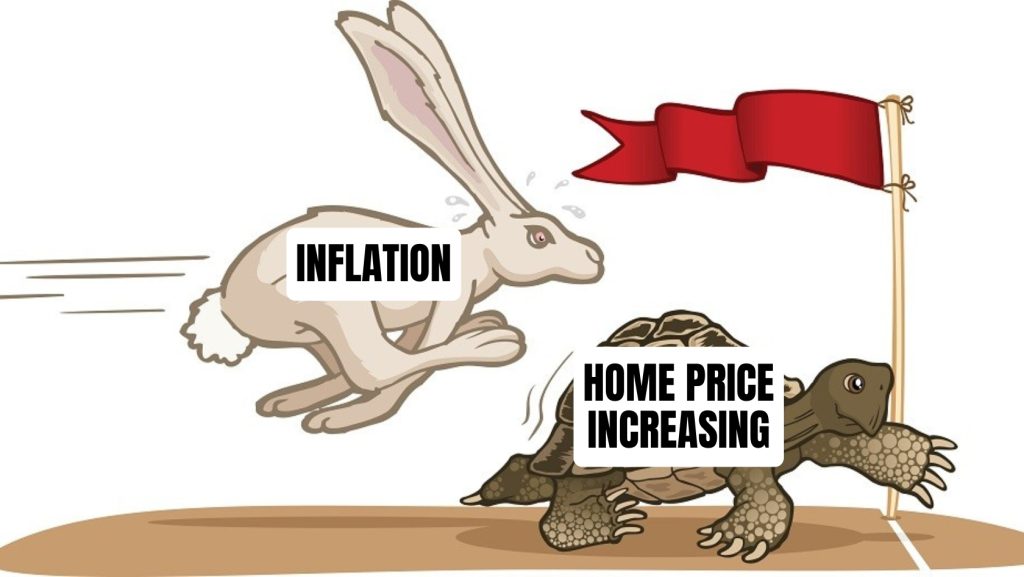
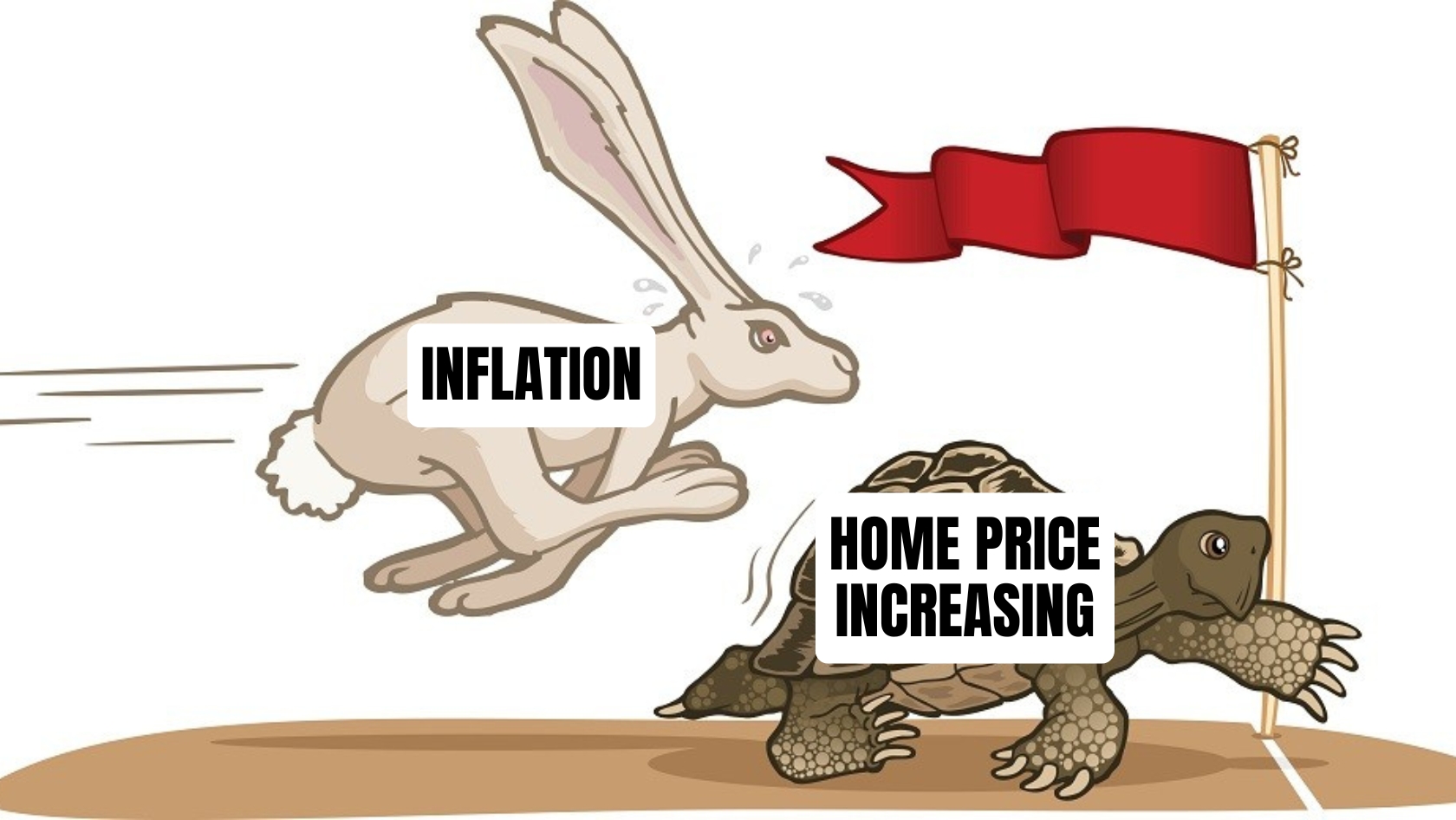
According to a new ResiClub report on data from Moody’s Analytics Chief Economist Mark Zandi, U.S. home prices are expected to rise slowly through 2035, keeping pace with inflation but offering little in the way of real, inflation-adjusted gains.
Zandi’s long-term outlook points to a “prolonged period of stagnation” for the housing market as affordability gradually improves. He believes the industry is still working through the fallout of the Pandemic Housing Boom and the mortgage rate shock that followed.
“Affordability has to be restored for housing to regain its mojo,” Zandi told ResiClub. “Flat home prices [adjusted for inflation] is the healthiest path forward; it’s the only way for incomes to catch up.”
Byron Lazine unpacked the data and Zandi’s comments on this morning’s HotSheet.

A Decade of Modest Gains
Per Lance Lambert’s report on ResiClub, Moody’s expects nominal home prices to rise about 23.5% between December 2025 and December 2035. On paper, that looks like steady growth. But when inflation is factored in, Zandi projects no real price gains for roughly ten years.
Here’s how Moody’s sees annual nominal price changes unfolding:
- 2026: +0.48%
- 2027: +1.35%
- 2028: +2.39%
- 2029: +2.78%
- 2030: +2.86%
- 2031: +2.71%
- 2032: +2.44%
- 2033: +2.18%
- 2034: +2.05%
- 2035: +2.08%
As Byron added, none of the above figures are carved in stone:
“The beautiful thing about real estate is that these are compounding numbers…none of these numbers will be accurate, but it’s interesting to look at the projections and how they’re thinking about slow growth in real estate.”
In short, price growth will be modest, consistent, and largely offset by inflation, a marked contrast to the sharp appreciation of the early 2020s.
Regional Divergence Ahead
Zandi expects national price movement to stay “sideways” for the next 12 to 24 months, but regional variation will continue. Markets with stronger homebuilding activity are most likely to see small declines, while inventory-constrained areas should remain steady.
- South and West: Modest price declines are possible, driven by greater housing supply and construction activity.
- Northeast and Midwest: These regions are expected to remain more stable, supported by tighter inventory levels.
This divide reflects a market still adjusting from the boom years. In fast-growing metros that built aggressively during the pandemic, prices may have farther to fall. But in places where supply remains tight, homeowners will likely hold their ground.
Affordability and the Bigger Economic Picture
While affordability is the dominant headwind, Zandi also flagged structural and macroeconomic challenges that could weigh on housing for years:
- Restrictive immigration policies could shrink the construction labor force, especially in the South and West where housing demand remains strong.
- Elevated long-term Treasury yields, linked to federal fiscal risks, may keep mortgage rates closer to 6.0%, up from Zandi’s previous long-term projection of 5.5%.
Zandi said the current period is the most difficult part of the housing correction.
“The worst of the pain in the housing market might be now and in the next six to nine months. After that, things will begin to feel a little better—but not good. The housing market will heal…but it’s going to take time—and a lot of patience.”
No Crash, No Boom. Just a Slow Reset
Moody’s long-term message is clear: don’t expect a repeat of 2008, and don’t count on another explosive run-up either. The market is recalibrating, not collapsing.
As Byron emphasized, the projection is fairly easy to predict, given the absence of a mortgage crisis like the one we saw in ‘08.
“We’re not dealing with a mortgage crisis, and so… Moody’s just extends the line. Pretty easy prediction to write. You look at the last 30 years, what does the line do? It goes up and to the right on home prices. So, if I were to say to my five-year-old, ‘Hey, where do you think this line goes?’ to fill out the rest of the page?’ She could have figured this one out. She could have made the same dot-plot as Moody’s. It makes a lot of sense; this is where home prices are going.”
For reference, you can find the chart Byron is referring to at this point during the broadcast.
Financial forecasts that stretch over a decade are rarely precise, but Zandi’s scenario outlines what a sustainable path forward might look like: a market where prices and incomes move in sync, and where balance replaces volatility.