


Most agents don’t want to talk about retirement.
And when they do, the conversation usually centers around financial accounts or the hope that they’ll “just slow down someday.” But what happens when that day finally comes, and you realize you can’t actually afford to stop?
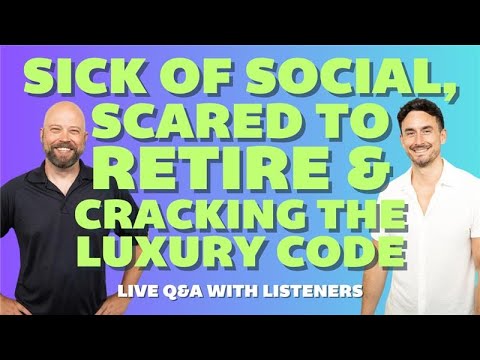
On a recent episode of the Stay Paid Podcast, we spoke with Courtney, a Montana-based real estate advisor who’s been in the industry since college. She came to the Q&A with one of the best questions we’ve had:
How do real estate agents actually retire, mentally, emotionally, and financially?
Courtney’s been in the game a long time. She knows her market. Her clients trust her like a fiduciary. But like a lot of top producers, she doesn’t have a clear exit strategy. And that sparked a bigger conversation we all need to have.
Let’s break down what came up in that conversation and what every agent needs to be thinking about now if you want the option to retire later.
The Harsh Truth: Most Agents Don’t Have a Sellable Business
Ask yourself this: if you stopped working tomorrow, would your business keep generating income?
If the answer is no, you’re not alone. Most agents treat their business like a job, not a company. That means when they walk away, everything stops. There’s no continuity, no buyout, no handoff. Just a database full of names with no one managing the relationships.
In contrast, here’s what happens in other professions:
- Financial advisors sell their book of business. These are ongoing relationships, recurring revenue, documented processes.
- Doctors and dentists sell their practice. That includes patients, staff, and systems.
- Insurance agents hand off clients to someone who’s ready to keep serving them.
Most real estate agents can’t do the same because they’ve built a brand around themselves rather than a system someone else can run.
Contrast that with someone like Amy Stockberger, who’s created a system real estate pros can both duplicate and turn into a sellable “book of business” for someone who can continue the same level of year-round service to their clients.
You’re Not a “Past Agent.” Stop Calling Them “Past Clients.”
This mindset shift came up during the conversation with Courtney, and it’s a big one.
Agents who want to build something worth selling need to stop thinking of relationships as one-and-done. You’re not just closing deals. You’re building a client base. And that base needs nurturing.
That means:
- Regular touchpoints, not just drip campaigns.
- Annual reviews for homeowners, just like a financial advisor would do.
- A CRM that’s up-to-date, segmented, and actually used.
When you build a real relationship-based system, you’re creating a business that another agent can take over. That’s what makes it valuable.
The Referral Exit Plan: An Overlooked Path to Passive Income
Not every agent wants to build a team or sell a business outright. And that’s okay. But there’s another way to create income after you step back: structured referrals.
Here’s what that can look like:
- Find a trusted agent who shares your values, work ethic, and communication style.
- Create a referral agreement with clear expectations. This could be 25 to 30% of commissions, or a smaller long-term split.
- Introduce that agent to your clients before you step back, and stay involved during the transition.
- Stay licensed in referral status so you can legally collect fees without being in production.
It’s not flashy, but it’s effective. And if you’ve built a strong client base, this model can support your income goals with minimal hands-on involvement.
The Real Estate Agent’s Retirement Checklist
If you’re serious about preparing for the next phase, take the time to get clear on what you want. During the podcast, I encouraged Courtney to write a letter to herself answering a few key questions. I’d encourage you to do the same.
Here’s a simple checklist to start with:
- How much monthly income do you need to maintain your lifestyle?
- How many hours per week are you willing to work, if any?
- Do you want to stay involved with clients in a limited way?
- What are your current assets (rental properties, investments, 401k)?
- What legacy do you want to leave for your community or family?
Once you know the answers, you can reverse-engineer a strategy to get there.
Think Like a Business Owner, Not Just a High-Earning Agent
The difference between agents who burn out and those who retire well comes down to this: the second group treated their career like a business, not just a hustle.
If you want to build something you can walk away from, something that provides for you and your family even after you’re done with showings and inspections, you need to get intentional now.
That means:
- Investing in systems, not just leads.
- Documenting your processes.
- Nurturing your database.
- Building strategic relationships with agents who could carry your torch.
Final Thought: Start Sooner Than You Think You Need To
Courtney may not have a retirement date circled on her calendar. And she’s not alone. Many agents think they’ll just know when it’s time. But without a plan, that moment can be filled with stress, uncertainty, and missed opportunities.
The truth is, it’s never too early to start planning your exit. And the agents who do? They’re the ones who get to retire on their terms, not because they’re forced to, but because they’re ready.
If you missed the episode, check it out here. Courtney’s question sparked a conversation that every real estate professional should hear.