
Key Details:
- A new Redfin report finds Americans must now earn $116,633 to afford a median-priced home—81.8% more than the $64,160 needed to rent.
- In high-cost cities like San Jose and Austin, that gap exceeds 140%, making homeownership increasingly out of reach.
- But in markets like Cincinnati and Providence, where rents are rising faster than home prices, the income gap is shrinking by up to 8.7 percentage points.
The American Dream is slipping further out of reach. To afford a typical home in today’s market, buyers now need to earn over $116,000 a year—nearly $30,000 more than what the average household brings in.
That’s 81.8% more than renters need to make, and it’s not just a momentary spike; it’s part of a trend that’s been snowballing since 2021.
A new report from Redfin breaks down exactly how far out of sync the cost of renting and buying has become—and what that means for consumers and real estate pros alike.
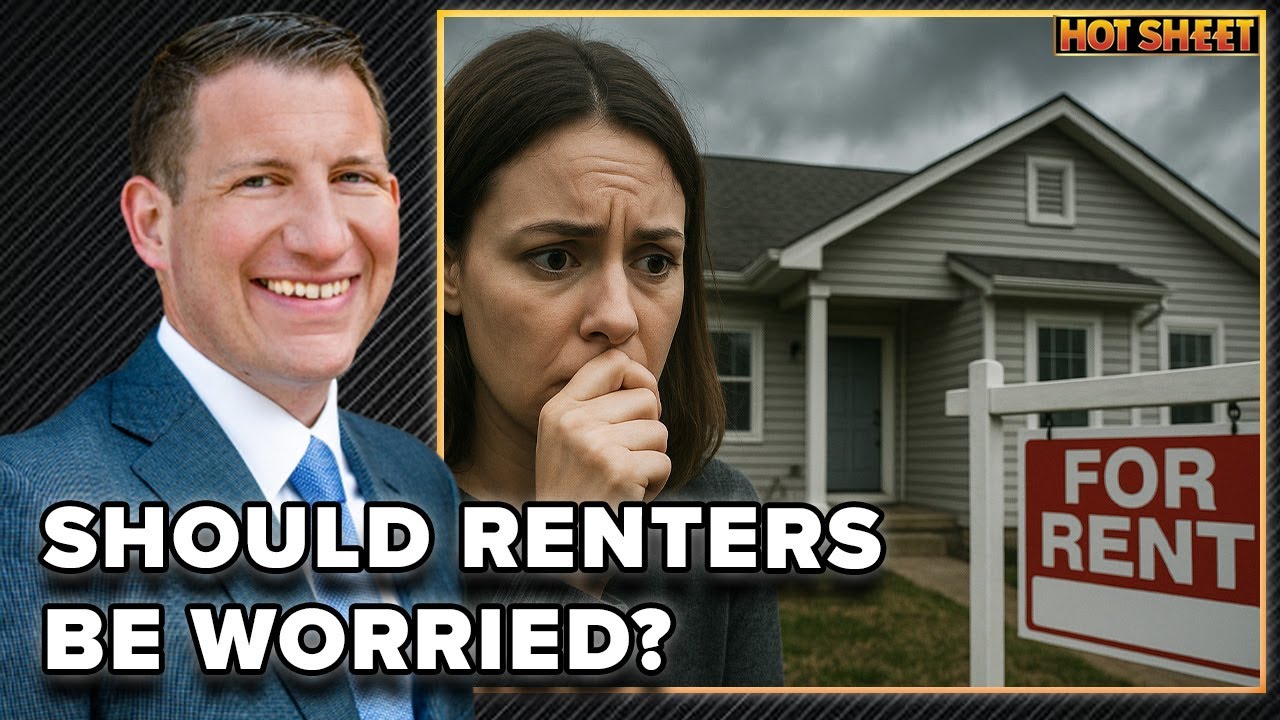
For a full breakdown of the data, catch today’s Hot Sheet with guest host Tom Toole:
Read on for the highlights.
The Income Divide: Then vs. Now
The income needed to afford a median-priced home has been climbing faster than wages, and way faster than the cost of renting. Redfin defines “affordable” as spending no more than 30% of income on housing.
Based on that, here’s how the numbers have changed over time:
- February 2025:
- To buy: $116,633
- To rent: $64,160
- Gap: 81.8%
- February 2024:
- To buy: $110,808
- To rent: $64,000
- Gap: 73.1%
- February 2023:
- To buy: $101,341
- To rent: $65,600
- Gap: 54.5%
- February 2021:
- To buy: $63,925
- To rent: $54,520
- Gap: Just 17.3%
Meanwhile, the median U.S. household income sits at $86,382—roughly $30,000 below the threshold to buy a typical home. For many, that makes renting the only viable option.
Why the Gap Is Growing: Home Prices Up, Rents Flat
The data shows a clear divide in the direction of home prices and rents:
- Home prices: Up 4.5% year over year, now at a median of $423,892
- 30-year fixed mortgage rates: Still hovering above 6.5%
- Rents: Up just 0.2% year over year, to $1,604
While a construction boom delivered more rental options and helped stabilize prices, the for-sale market remains tight. Thanks to the mortgage rate lock-in effect, fewer homeowners are listing, creating more competition and pushing prices higher.
Back in 2020–2021, the situation was reversed. Rents were surging and mortgage rates were at record lows, making homeownership more accessible. Today, it’s a different story.
Where the Gap Is Expanding Fastest
In some metros, the income needed to buy a home has surged well beyond what’s needed to rent. Here’s where the divide grew the most year over year:
- Salt Lake City, UT
- Buying now requires $140,412/year—134% more than renting
- Gap increased +28 percentage points from last year
- Home prices up 4.3%, rents down 7.8%
- Austin, TX – Homebuying premium: +143% (up 24.6 ppts)
- San Diego, CA – Homebuying premium: +127% (up 21.7 ppts)
- New York, NY – Homebuying premium: +76% (up 20.7 ppts)
- Los Angeles, CA – Homebuying premium: +141% (up 20.7 ppts)
These markets are dealing with a double-whammy: falling rents and rising home prices.
Where the Gap Is Narrowing
In a few markets, the homebuying premium actually shrank. The common denominator? Rents are rising faster than home prices.
- Cincinnati, OH
- Income to buy: $80,752
- Homebuying premium down to 38.9% (from 47.7%)
- Rents rose 15.3%—the biggest jump in the U.S.
- Providence, RI
- Gap narrowed 7.5 percentage points, now at 57.6%
- Washington, D.C.: -5.7 ppts
- Baltimore, MD: -5.0 ppts
- Louisville, KY: -4.7 ppts
- Sacramento, CA: -1.3 ppts
In these metros, high rental demand and lagging home price growth are shrinking the difference between renting and buying.
Biggest Premiums, Smallest Gaps
In some markets, buying a home feels more like a luxury than a logical next step—especially when the income required to own far exceeds what’s needed to rent. But in others, the difference is surprisingly manageable, giving buyers a potential edge. Here’s a closer look:
Markets With the Highest Homebuying Premiums
These are the metros where renting makes a lot more financial sense—at least on paper. Buyers in these cities are facing some of the steepest income barriers in the country:
- San Jose, CA:
Homeownership here is on a whole other level. A typical buyer needs to earn $408,557/year—more than three times what’s needed to rent ($128,548). With tech salaries to match, the numbers make sense for some; but for most, buying feels completely out of reach. - San Francisco, CA:
Buyers must earn +176% more than renters ($296,984 vs $107,720) to afford a home. The city’s sky-high property values, coupled with limited inventory, keep the barrier to entry painfully high—even as rents have cooled off post-pandemic. - Seattle, WA:
With a +145% premium ($202,909 vs $82,680), the Emerald City continues to challenge would-be buyers, especially first-timers. High wages in the tech sector help some, but for others, long-term renting remains the more realistic path. - Austin, TX:
Once the go-to market for affordability, Austin’s housing costs have outpaced rental growth. Now, buyers need +143% more income than renters ($135,841 vs $55,960). A city that once welcomed remote workers is now pricing many of them out. - Los Angeles, CA:
The housing crisis is nothing new here. With a +141% premium ($265,481 vs $110,000), the math makes it painfully clear—owning in LA is a privilege, not a given. Many Angelenos are sticking with rent, even if their long-term goal is to buy.
Markets With the Smallest Gaps Between Renting and Buying
These cities offer a glimmer of hope for buyers, where the gap between renting and owning is far more manageable. In some cases, it may even make more sense to buy, especially for those looking to build long-term equity.
- Pittsburgh, PA:
With just a +14.4% premium, this Rust Belt city leads the pack in homeownership affordability. Buyers only need to earn slightly more than renters ($66,350 vs $58,000), making the leap to owning feel far more attainable. - Cleveland, OH:
At +29.7%, the gap is still modest ($66,135 vs $51,000). For buyers who want space, stability, and a relatively low cost of living, Cleveland remains an underrated opportunity. - Detroit, MI:
Similar story here—buyers need about +30.7% more income than renters ($70,584 vs $54,000). And with local investment on the rise, homeownership may pay off in more ways than one. - Cincinnati, OH:
Rents are rising fast here (up 15.3% year-over-year), narrowing the rent-vs-buy gap to just +38.9% ($80,752 vs. $58,120). If this trend continues, buying could soon become the smarter financial play. - Philadelphia, PA:
The City of Brotherly Love is holding steady, with a gap of +40.9% ($105,417 vs $74,800). It’s not negligible, but it’s far less daunting than what you’ll find in larger coastal markets.
Final Takeaways for Agents
Buyers are facing a historic affordability crunch, and the rent-vs-buy calculus is more complex than ever.
On the flipside, that also means opportunity—especially for agents who know how to educate, guide, and advocate for clients in this changing market. Now more than ever, buyers need clear, data-driven advice.
If you’re not positioning yourself as a trusted resource, someone else will. Leverage tools like market snapshots, rent-vs-buy calculators, and affordability charts to show clients the real math—and help them make the best move.
Read the full Redfin report for more information, including charts and methodology.