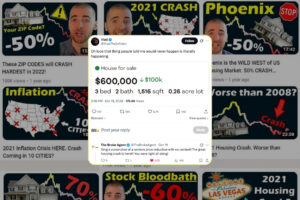
Clickbait is getting dragged online.
According to Brandwatch’s State of Social 2026 report, nearly 90% of clickbait-related conversations in 2025 were negative.
People are tired of headlines that overpromise and underdeliver. They’re tired of hooks that lead to content that feels thin, generic, or manipulative.
That’s not to say people are done with curiosity. Hooks still matter. And as the hosts of BAMMYs 2025 pointed out, all clickbait is not the same.
People aren’t fed up with well-crafted hooks or subject lines. They’re fed up with content that leaves them feeling tricked.
(There’s a reason we rant about movies that leave us thinking, “That’s two hours I’ll never get back.”)
The upside is that curiosity still works. The downside is that viewers now connect every disappointing headline to a much larger frustration cycle.
The real reason people are rejecting clickbait
The State of Social report shows digital frustration building across every platform.
Conversations about clickbait have grown more negative for three years, and consumers are interpreting anything that feels exaggerated as another attempt to waste their time.
People are exhausted from feeling tricked, disappointed, or misled.
This reaction is part of a larger pattern. Hidden fee conversations rose 40% in 2025 and 54% of ad-related conversations express anger, which tells you how sensitive consumers have become to anything that feels incomplete or dishonest. A headline that makes a big promise but leads to thin content hits the same nerve.
People still want compelling headlines. They just want them to be true. They want the promised payoff (or something even better).
Broken trust spreads fast
Another big takeaway from the report: Disappointment doesn’t stay private.
Boycott calls jumped 95% in the first half of 2025. “Do not buy” posts reached 836,000 mentions in six months. These posts were sparked by frustration, unkept promises, and bad experiences.
Your content probably won’t trigger a boycott, but it can trigger something just as damaging:
- Viewers quietly unfollow.
- They mute your posts.
- They scroll past the next time they see your face.
- They don’t reach out when they have real estate questions.
In a crowded feed, that’s the cost of breaking trust.
Customer experience now shapes how your content is received
Brandwatch shows negative service conversations are rising across industries. People are venting about delays, refund issues, and unresponsive support.
That frustration bleeds into how viewers interpret marketing and content.
On the positive side, helpful customer service generated 348,000 online mentions. Chatbot mentions rose 14%, and positive sentiment toward chatbots jumped 63%. When expectations are met or exceeded, people reward it.
Your content sits inside the same expectation economy. If your headline promises something and your video or caption delivers it quickly and clearly, you’re building trust.
If you don’t, you become another example of marketing that didn’t keep its word.
What high-integrity clickbait looks like
High-integrity clickbait creates interest without misleading the viewer. In other words, the hook and the payoff match. Even better if the payoff goes above and beyond.
So, here’s what separates ethical, effective hooks from the ones driving 90% negativity.
- Your headline sets up a clear expectation, and your content fulfills it fast.
- If you promise a tactic, script, or stat, deliver it upfront.
- Don’t inflate claims. Viewers reject anything that feels bigger than the truth.
- Lean into transparency. Mentions of authenticity in influencer conversations rose 66%, which shows how much audiences reward honesty.
A strong hook earns the click. A strong delivery earns the audience.
Five ways to stop the scroll without breaking trust
Each of these tactics applies the State of Social 2026 findings in a practical way.
Some are about earning attention in short-form content. Others are about keeping trust in longer-form pieces. Both matter, and they work best together.
- Write hooks that name the outcome, not the drama. Whether it’s a headline, thumbnail, or opening line, the hook should clearly state what the viewer will learn or see. Vague intrigue is what drives clickbait negativity. Specific outcomes are what earn attention without backlash.
- For short-form video, deliver the core answer immediately. Reels and short videos are where most clickbait frustration shows up. If the hook promises a mistake, insight, or tactic, show it on screen in the first few seconds. This keeps the promise and lowers skepticism right away.
- Then keep viewers watching by adding context, not by withholding the answer. After the payoff, explain why it matters, when it applies, and where people usually get it wrong. This layered delivery keeps people engaged without triggering the bait-and-switch reaction that audiences now reject.
- Anchor short-form content in real situations. Referencing an actual listing conversation, buyer objection, or market scenario signals credibility fast. It shows the hook is grounded in real experience, not theory or exaggeration.
- For longer content, match the headline to the structure, not just the intro. Long-form posts, emails, and blogs build trust by clearly stating the conclusion early, then using the body to unpack trade-offs, scenarios, and implications. The value isn’t in delaying the answer. It’s in helping the reader understand and apply it.
This approach resolves the false choice between “giving it all away” and “keeping people watching.” You keep the promise early, then earn continued attention by going deeper. That’s how you stop the scroll without feeding the behaviors that pushed clickbait negativity to 90%.
Why this matters in 2026
Brandwatch found 99% of brand-related conversations happen without the brand present. Your reputation isn’t built in the caption. It’s built in the moment someone decides whether your next post is worth watching.
When your hooks consistently deliver, people talk about you the way they talk about great service. When they don’t, you become another data point inside the 90% negativity stat.
Curiosity still wins. In 2026, the difference is that it has to be honest. The creators who rise next year are the ones who use strong headlines and strong delivery in equal measure.