
Ask most agents how they win listings, and they’ll talk about their presentation. The problem is that most sellers choose their agent before that presentation ever happens.
During a recent BAM training, ReminderMedia president Luke Acree shared a stat that should make every agent rethink their strategy for attracting seller leads.
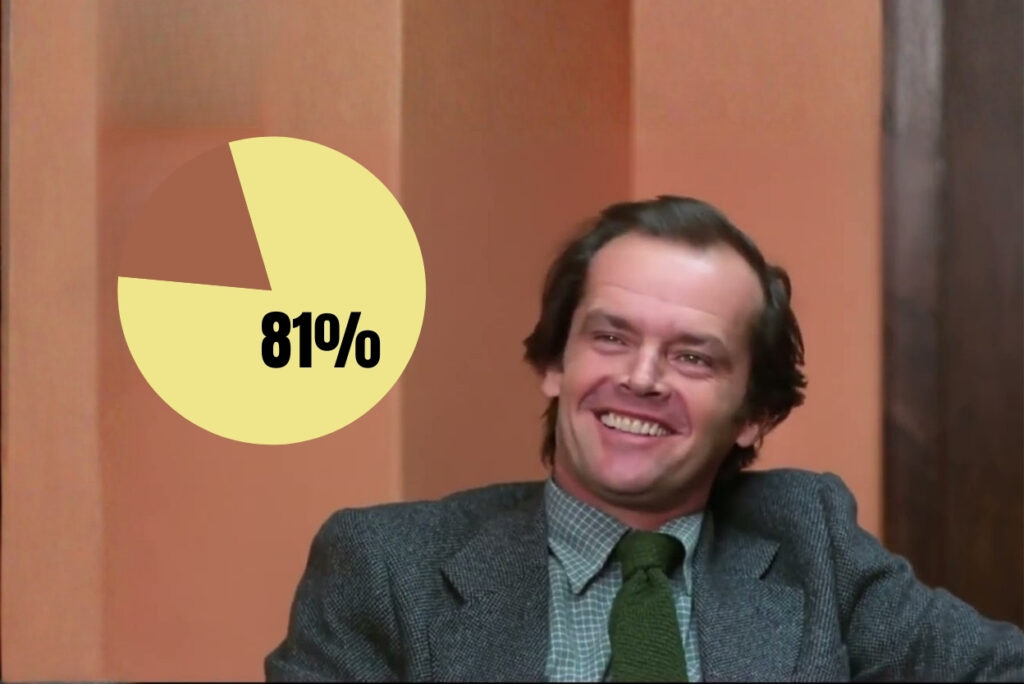
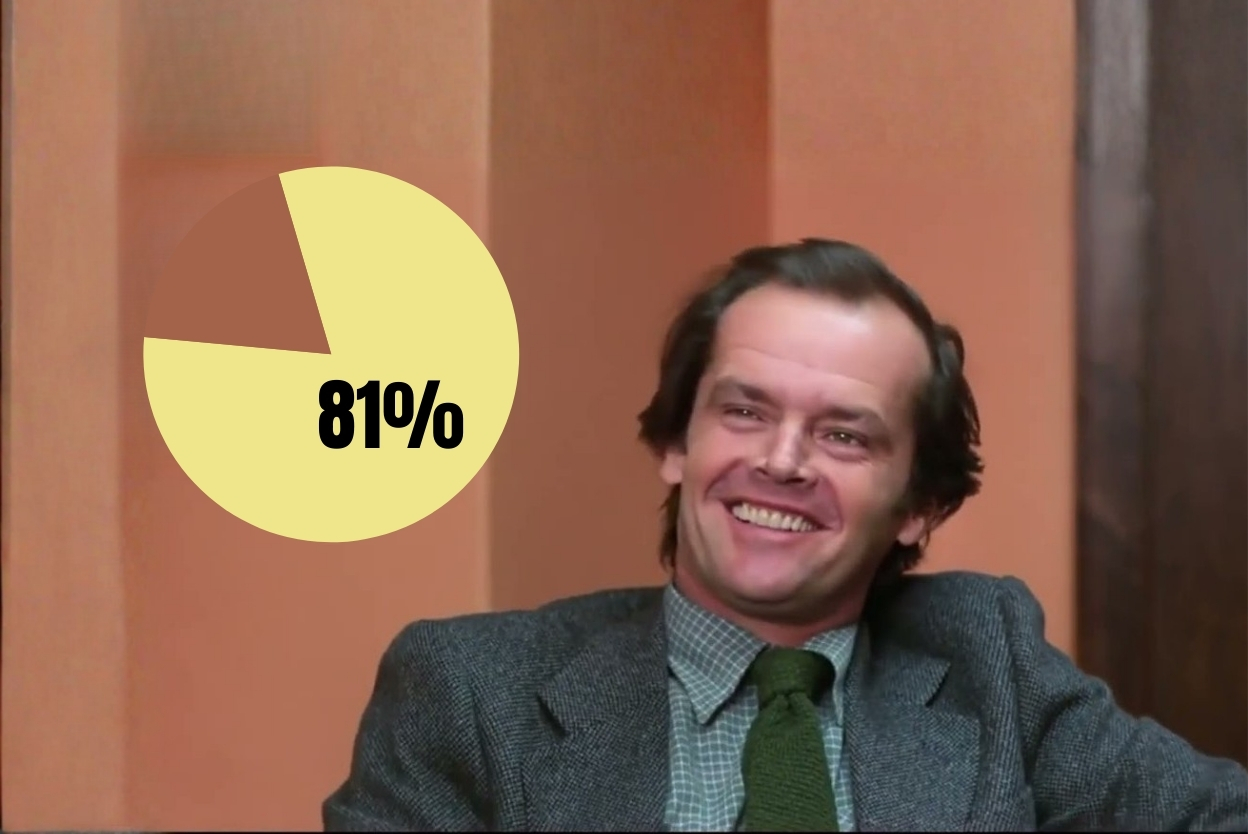
“81% of sellers interview one agent before they choose that agent to help them sell their home. 81%. So if you’re not first… 81% of the time they’ll go with the agent they talk to first.”
That means many listing decisions are made before an agent ever walks through the front door for a presentation. The real contest happens earlier, when a homeowner decides which agent to call in the first place.
Luke and his brother Stephen Acree built their business around solving that exact problem.
Stephen runs Acre Brothers Realty, a team that closed 250 deals last year and is on pace for more than 360 this year, with more than half of their business coming from sphere and referrals.
Their approach focuses on one simple goal. Stay visible enough that when someone in your database starts thinking about real estate, your name is the one that comes to mind first.
That starts with understanding the mindshare problem most agents overlook.
The Mindshare Problem Inside Your Own Database
Even if you’ve done a great job serving your clients, you’re not the only agent they know.
During the webinar, Luke pointed to a reality many agents underestimate: your database is not a private audience. Most of the people in it already have multiple agent relationships.
Think about what that means in practice. Every homeowner in your database likely has several real estate agents they could call if they decided to sell tomorrow. Some might be friends. Some might be neighbors. Others may simply be agents who stayed visible through social media, email, or direct mail.
So the real challenge isn’t just being a good agent. It’s staying present in someone’s mind long enough that when real estate comes up, they think of your name first.
That’s the mindshare battle Luke is talking about. If another agent stays visible while you disappear for months at a time, the decision about who to call often gets made before you even know the opportunity existed.
Why Frequency Is What Actually Builds Trust
Once you accept that most people in your database already know several agents, the next question becomes obvious. How do you stay top of mind without feeling like you’re constantly selling?
Luke argues that trust usually doesn’t come from one memorable interaction. It develops through repeated exposure over time. People see your name often enough that it starts to feel familiar.
“Frequency creates familiarity. Familiarity creates comfort. Comfort leads to trust. You cannot get people to trust you if they’re not comfortable with you.”
In other words, visibility drives the relationship. The more often people encounter your name, your emails, your content, or your marketing, the more normal it feels to see you in their world.
Luke also emphasized that frequency has two meanings in marketing. It’s not just about how often you show up. It’s also about where you show up.
“Frequency is number of touches and it’s the channel.”
Think about it this way. People consume information in different places throughout the day. Someone might ignore social media but read email. Another person might never open email but notice your direct mail piece sitting on the kitchen counter.
When agents appear across multiple channels, the visibility compounds. Luke described this as the “frequency illusion.”
“The frequency illusion basically is a similar thing that states if I see Eric, if I see BAM on two or more frequencies, my brain is going to start thinking I see BAM more than I do.”
In practical terms, someone might see your Instagram post one day and your email the next. Even though those touches happened on different platforms, the brain starts to register you as being everywhere.
That repeated visibility is what builds familiarity. Familiarity lowers resistance. Over time, that comfort turns into trust.
And when someone in your database starts thinking about buying or selling, the agent they feel most comfortable with is often the one they call first.
To help you create your own touchpoint system for 2026, Luke created a guide to the system used by the Acree Brothers Realty Team. Download your free copy below:
Download the 2026 Touchpoint System for Agents
The Touchpoint Rule Most Agents Get Wrong
Agents love debating the right number of touches. Twelve per year. Twenty-four. Monthly emails. Quarterly calls.
Luke Acree has a much simpler answer.
When he talks to agents about database marketing, the problem usually isn’t that they’re doing too much or doing it wrong. It’s that they’re barely showing up at all.
“Here’s the number of touch points that you need to drive referrals and repeat business: More. You need more.”
That might sound overly simple, but Luke’s point is that most agents dramatically underestimate how often they need to stay in front of their database. Months go by without contact. A newsletter goes out once in a while. Maybe a holiday message gets sent.
Meanwhile, other agents are showing up consistently through email, social media, direct mail, and relationship-building events.
Luke says agents spend too much time worrying about annoying people when the bigger risk is disappearing completely.
“It is almost impossible to do too many touch points. It’s so easy to do too little.”
He also encourages agents not to get stuck trying to design the perfect marketing system before they start. Increase the number of touches first. Then refine the strategy over time.
For agents looking for a practical starting point, Luke suggests a baseline:
“Rule of thumb I give to people, as you start out, at least 26 touches. Grow from there.”
That works out to roughly one touch every two weeks. For many agents, that already represents a major improvement over how often they currently communicate with their database.
Luke also explained how quickly touches can add up when you combine multiple channels. A simple system might start with one consistent communication and one proactive follow-up.
For example, a weekly email already creates 52 touches in a year. Add a quarterly phone call, and you’re at 56 touches while only adding four actual conversations to your schedule.
That’s also where multiple “frequencies” come into play. Luke encourages agents to show up across several channels, including:
- Email inbox
- Direct mailbox
- Face-to-face interactions such as events or coffee meetings
- Voice-to-voice phone calls
- Social media
- Screen-based digital exposure
The goal is to build a system that keeps you showing up consistently across several channels.
When that happens, people start seeing your name regularly in different places, which reinforces familiarity and keeps you top of mind when they start thinking of making a move.
Why the Database Still Drives Most Transactions
Luke Acree spent a good portion of the webinar reminding agents where most real estate business actually comes from.
It’s not paid leads. It’s not cold outreach. It’s the relationships agents already have.
“The deals are in your database. 65% of all listings last year came from the database. 56% of all buyers, more than half the pie of all transactions in real estate, came from your database.”
Those numbers line up with what many experienced agents already know from their own production. Repeat clients, referrals, and sphere relationships make up a large share of closed deals year after year.
The challenge is that many agents still treat the database like a backup plan instead of the center of their business. They spend time chasing new leads while the people who already know and trust them hear very little from them.
Luke says the problem usually comes down to a lack of consistent implementation.
Agents attend trainings, sign up for platforms, and create ambitious marketing plans. For a few weeks, everything works. Emails go out. Calls get made. Posts show up on social media.
Then the daily demands of the business take over, and the system fades.
The agents who keep their database producing deals year after year tend to follow a much simpler formula.
They stay in touch consistently. They show up in multiple places. And they keep their name visible long enough that when someone starts thinking about buying or selling, they already know who they’re going to call.
Why Being First Wins the Listing
Here’s how this all adds up. By the time a homeowner decides to reach out to an agent, the choice often feels obvious to them. They call the person whose name feels familiar.
That familiarity usually (if not always) comes from repeated exposure over time. The agent’s email shows up regularly. Their name pops up on social media. A postcard arrives in the mailbox. A quick call checks in every once in a while.
Each interaction is small on its own. But over time, those small touches stack up. The agent becomes part of the background of someone’s life.
When the thought of selling the house comes into the picture, the brain looks for the easiest answer. People tend to reach out to the name they recognize and feel comfortable contacting.
That’s the goal of the system Luke described during the webinar. Stay present in your database often enough that when someone starts thinking about real estate, reaching out to you feels like the obvious next step.
Download the 2026 Touchpoint System to get started creating your own: