
Markets barely had time to digest the headline before futures started moving.
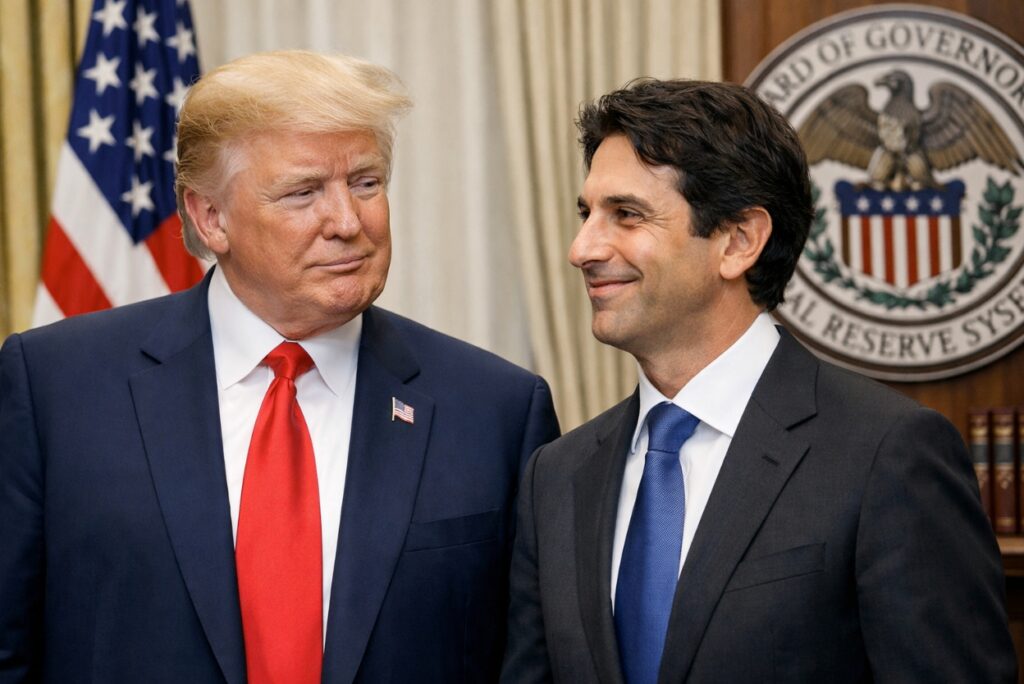
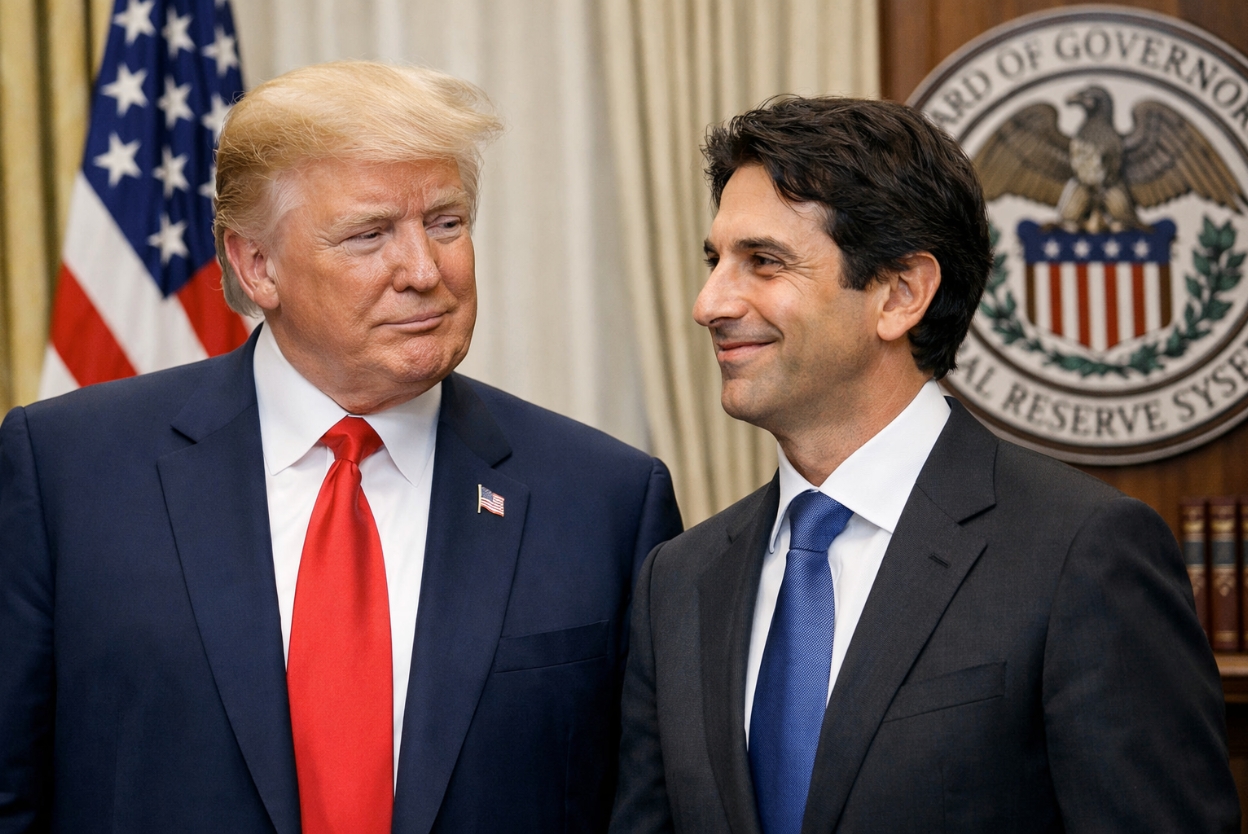
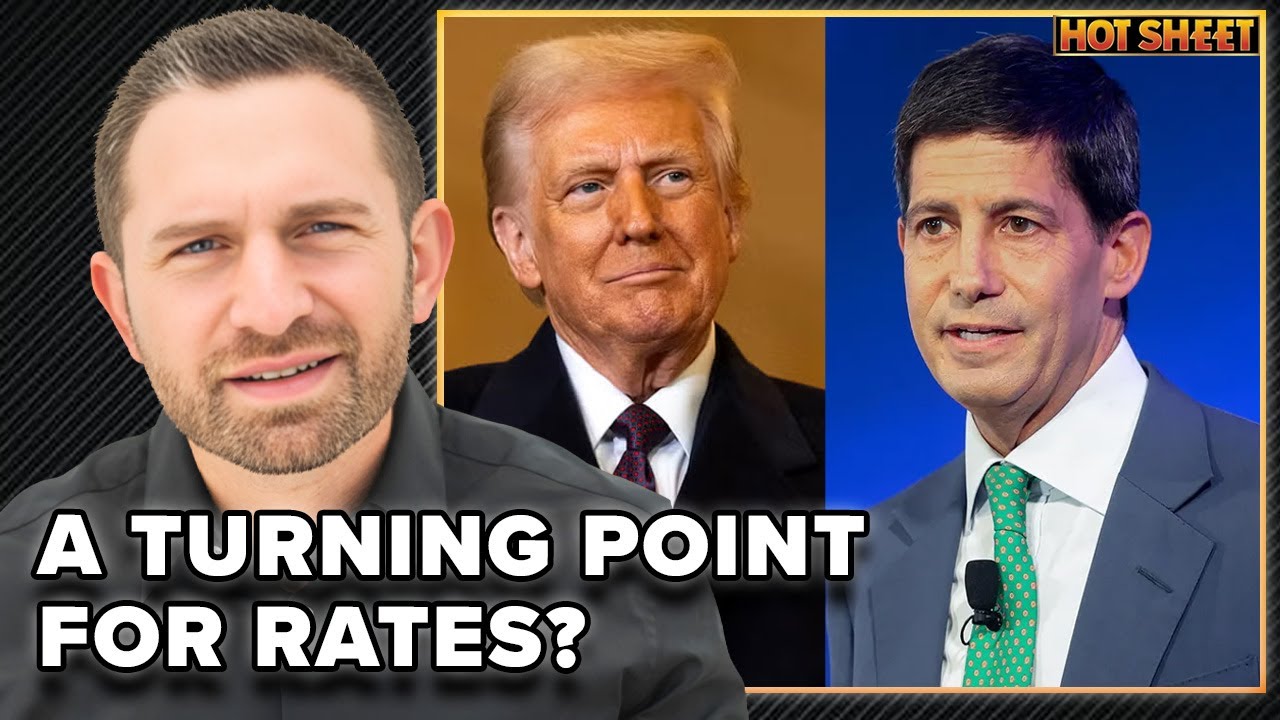
On Friday morning, President Donald Trump announced his official nomination of Kevin Warsh to succeed Jerome Powell as the next chair of the Federal Reserve. The nomination closed out a months-long selection process that had turned into a public showdown over interest rates, inflation, and the independence of the central bank.
Byron Lazine unpacked the news and its implications on today’s Hot Sheet, walking through why this leadership change matters at a moment when rates remain elevated and economic pressure is coming from multiple directions.
Warsh, 55, isn’t an unknown quantity. He previously served at the Fed, which helped keep markets from reacting sharply to the announcement.
Still, the nomination lands after years of Trump openly clashing with Powell and pushing for more aggressive rate cuts. Trump announced the pick on Truth Social, writing:
“I have known Kevin for a long period of time, and have no doubt that he will go down as one of the GREAT Fed Chairmen, maybe the best.”
The market response showed cautious familiarity rather than panic.
Stock futures dipped slightly before stabilizing as Warsh’s appointment became clearer, with analysts pointing out that his background makes him a credible and independent figure rather than a political wildcard.
Why Warsh Was the Pick and What It Signals
Trump’s frustration with Jerome Powell has been building since Powell took over the Fed in 2018. Even after three rate cuts in the latter part of 2025, Trump continued pressing for lower borrowing costs while publicly criticizing Powell over cost overruns tied to the Fed’s massive headquarters renovation in Washington, D.C.
Warsh’s nomination reflects both experience and a philosophical shift.
CNBC reported that Warsh has already voiced strong concerns about the current direction of the central bank. In a July interview last year, he described the need for leadership change at the Fed and questioned the credibility of its current policymakers.
During that interview, Warsh advocated for a “regime change.” He expanded on that view by adding:
“My view is the group that’s there, they’re well-intended, I’m sure. There’s huge amounts of talent. They haven’t had interest rates about right for a long time. And they dont’ really look, as they change goal posts, like they have control and a deep understanding of what’s going on. Credibility is the coin of the realm.”
If Warsh is confirmed by Congress, that posture hints at a chair who may push harder on inflation control and institutional reform, even while markets expect near-term rate relief to continue.
Analysts on CNBC noted that regardless of who took the job, cuts were likely in the short term. The difference with Warsh is that longer-term policy could be shaped by restoring market confidence in the Fed’s independence and decision-making.
Byron also made the point that, given how Warsh expressed the need for a regime change at the Fed, he would likely encounter some resistance stepping into Powell’s position.
“Remember, he could be Chair of a committee that has Jerome Powell in the room. Jerome Powell still has influence. Remember those CNBC comments from six months ago, where he said, ‘I don’t think this Fed appears to know what they’re doing.’ So, there could be instant friction within the FOMC as they track things like inflation and the labor market.”
Not only that, but, as Byron mentioned earlier in the pod, Warsh has his own legacy to protect. He can’t risk being too hawkish with monetary policy if the data shows more aggressive rate cuts would backfire for the U.S. economy (and, subsequently, for his career).
For now, markets are pricing in no more than two rate cuts for 2026, with the federal funds rate expected to settle near 3%, a level policymakers view as neutral for the economy.
For housing, that points to slow, steady easing rather than a speedy return to improved affordability. Fed rate decisions don’t directly impact mortgage rates, so borrowing costs may come down some but not enough to spark a massive surge in demand overnight.