
If getting a buyer broker agreement signed feels weird, you’re doing it wrong.
You’re not asking someone to sign their life away. You’re asking them to let you do your job.
Still, plenty of agents are fumbling the delivery, over-explaining, or acting like they’re trying to sneak something past their clients.
So let’s fix that. Here’s my tactical guide to getting the agreement signed confidently and clearly, without being weird about it.
Step One: Know When to Bring It Up
You don’t need to shove this in someone’s face at the consultation unless it’s a layup. Mention it early, but save the signature until they’re ready to look at homes.
Script:
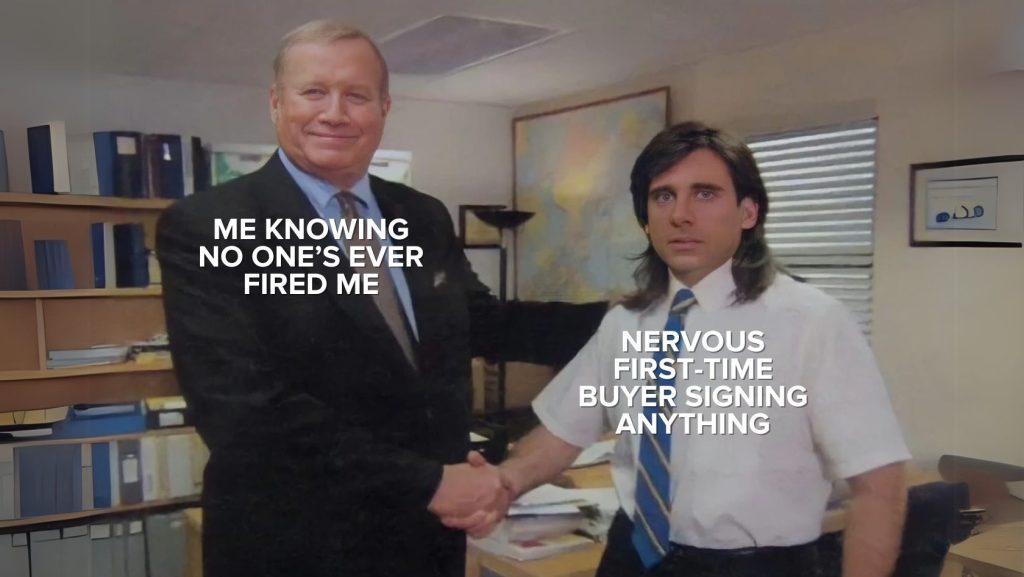
“When we’re ready to start looking at houses, we’ll need to sign a buyer-broker agreement. It’s required now; it’s actually illegal to show homes without one. That said, mine is easy. You’re not locked in. You can fire me at any time. No one ever has, and there’s a reason for that, but the option is there. Full transparency.”
Step Two: Explain What It Actually Is
Buyers don’t care about contract titles. They care about what it means for them. Keep it simple.
Script:
“This agreement protects both of us. It makes sure we’re working exclusively together and that I’m not just opening doors but actually representing you. It gives me the go-ahead to tap into my systems, market knowledge, and off-market strategies to help you find the right home. And it protects me by stating that I get paid, usually by the seller.”
Step Three: The Commission Conversation
Here’s the part agents overthink. You’re not pitching. You’re stating your value.
Script:
“You’ll see my professional fee listed as X%. That gives me flexibility to negotiate the best deal for you—whether that’s on price, terms, or seller-paid costs. Almost every time, the seller covers my fee. I’ve never had a buyer pay out of pocket, and I don’t expect that from you either.”
Don’t say it’s standard. Say it’s what you charge based on your value. Then move on.
Step Four: Tailor the Term Like a Pro
My default for warm leads is six months. It keeps things organized and simple. But if they want a shorter term? Give it to them. Just don’t give up the authority.
Script (Warm Lead):
“This agreement is for six months, but you’re never locked in. You can cancel it anytime as long as we haven’t already found the house you’re going to buy. It keeps things clean and avoids extra paperwork.”
Script (Cold Lead):
“This one’s just for today’s showing. You’re not locked into anything long term, we’ll do that later if you feel we are a good fit.”
Out-of-towners? Tie it to their visit. Once you know you’re a good fit, extend it.
Step Five: Present It Like It’s Normal (Because It Is)
You’re the only one who’s nervous about this. Say it like it’s part of the process, and it will be.
Script (In person):
“Let’s go ahead and get this signed so I can start working for you, not the seller. It confirms I represent you, negotiate for you, and cover your interests. If anything changes, you’re not stuck—but this allows me to go all-in for you.”
Script (Digital Follow-Up):
“Hey [First Name], just sent over the agreement we talked about. It confirms that I work for you and outlines how I get paid, almost always by the seller. Let me know once it’s signed, and I’ll get us moving.”
Script (If It’s a Seller That’s Already Signed a Listing Agreement):
“This is just like the listing agreement—except you’re the buyer. We’ll get this signed so I can fully represent you, protect your interests, and manage the process from both sides.”
Step Six: Objection Handling
Objection: “Do I have to sign this right now?”
“Yes, because I can’t show you homes without it. And if I’m going to advise you on comps, pricing, strategy, or off-market deals, I need to be legally tied to your side of the table.”
Objection: “What if I find something on my own?”
“What do you mean—like on Zillow? That’s great, send it over. My clients send me listings all the time. I’ll be sending you listings, too, of course, but there’s a lot more to buying a home than finding options online. That’s the easy part.”
Objection: “What if I decide not to buy?”
“This doesn’t lock you into buying. You’re just agreeing that if you do buy, I’m the one representing you. If life changes, I get it. But if we’re going to start the process, I need to be all-in, and this agreement makes that possible.”
Final Thought: It’s Not the Form—It’s Your Energy
You’re the expert. Act like it. This agreement isn’t awkward unless you make it awkward.
Buyers aren’t scared of commitment. They’re scared of being locked in with someone they don’t trust. Show up as someone worth trusting and this agreement becomes just another step in working together.
So stop overthinking it. Deliver it like it’s normal.
Because it is.