

The economy is shrinking, headlines are blaring, and consumers are feeling it.
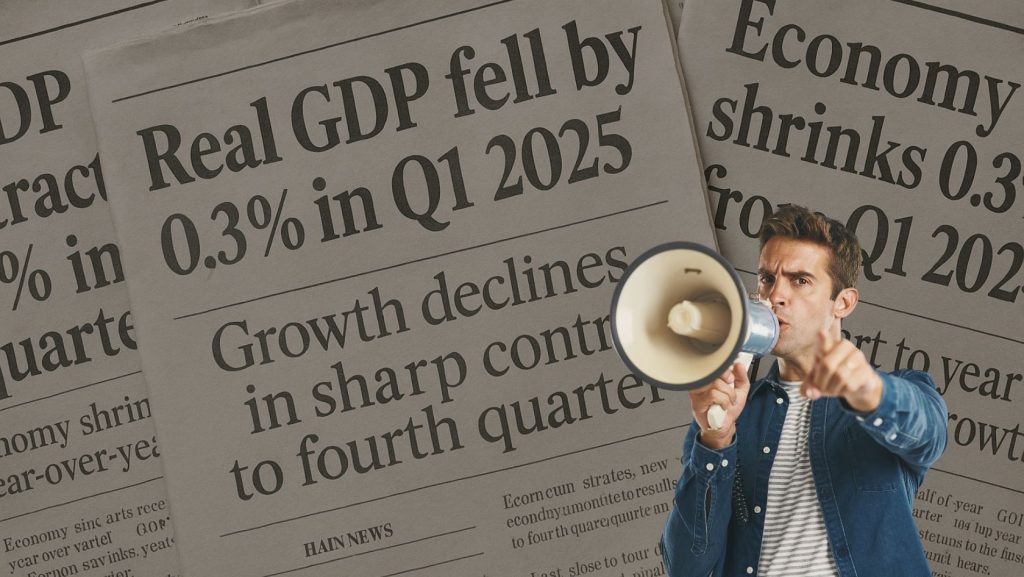
According to the advanced estimate released this morning by the U.S. Bureau of Economic Analysis (BEA), real GDP fell by 0.3% year-over-year in Q1 2025. This is a sharp contrast to the 2.4% growth we saw in Q4 of last year.

While some economists are calling the decline misleading, the market reaction is real. And so are the questions buyers and sellers are asking.
In today’s Hot Sheet, Byron Lazine broke down the GDP report and what it means for consumers and real estate agents.
Byron also brought up scripts he, Tom Toole, and Lisa Chinatti had discussed yesterday in a live role playing session with BAMx members. We’ll include those here.
What’s Really Behind the GDP Drop?
At first glance, a shrinking economy sounds alarming. But zoom in on the data, and it tells a more complex story—one that’s essential for agents to understand before addressing consumer fears.
Here’s what drove the downturn:
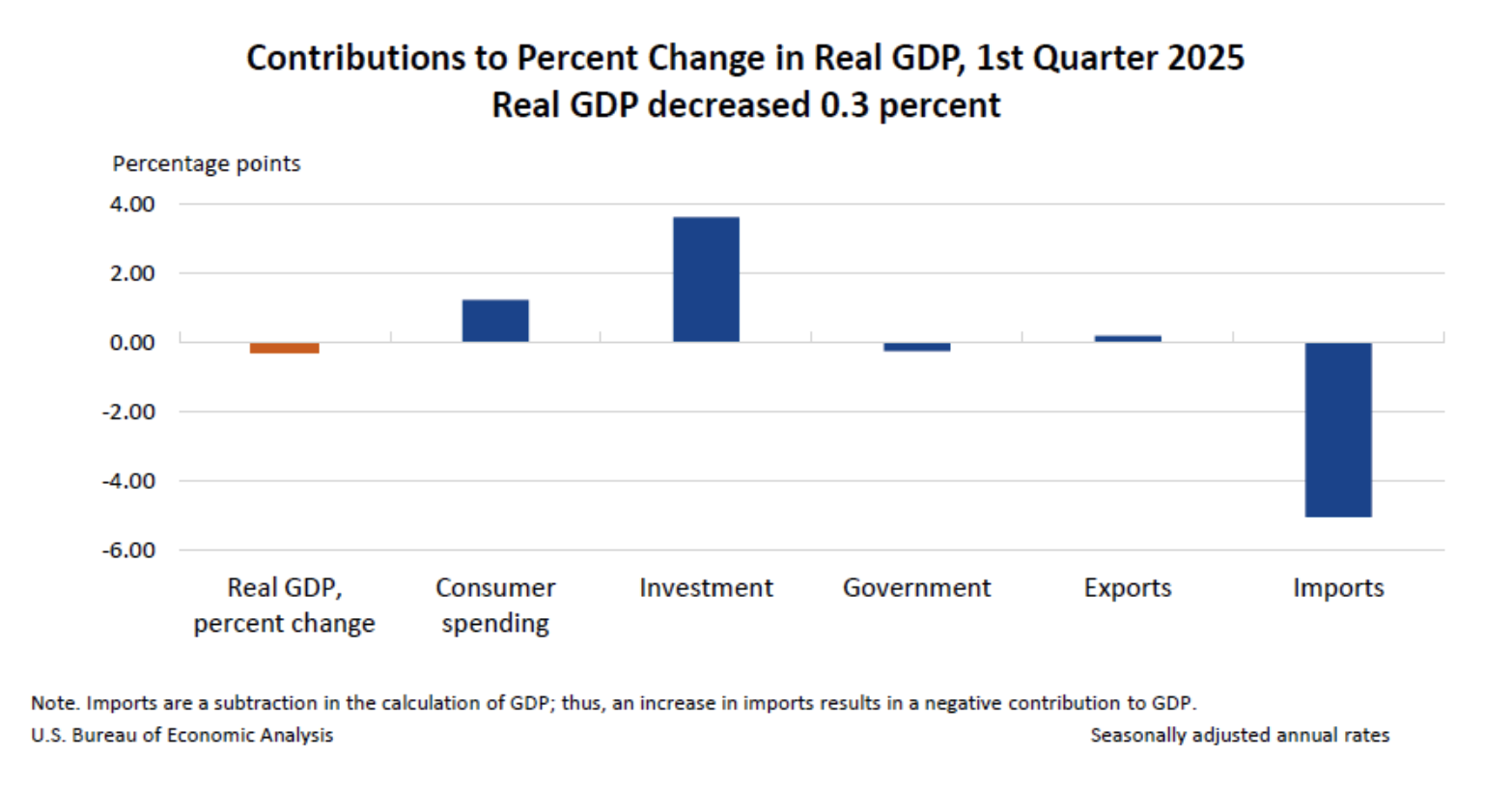
- A massive surge in imports: As businesses and consumers rushed to stockpile goods ahead of expected tariffs, imports spiked. Since imports are subtracted from GDP calculations, that surge alone shaved nearly 5 percentage points off Q1 growth.
- Slower consumer spending: Spending still rose, but only at a 1.8% annual rate, down from 4% in Q4. Winter storms in the South and early uncertainty around trade policy likely contributed to the slowdown.
- A drop in government spending also dragged GDP lower, compounding the effect of rising imports.
Underneath the headline decline, core indicators remained steady:
- Real final sales to private domestic purchasers—a more accurate gauge of consumer and business activity—rose 3.0%.
- Business investment and exports were bright spots, showing continued strength despite policy headwinds.
- Inflation ticked higher, with the PCE price index rising 3.6%, suggesting consumers are still spending, just more cautiously.
What This Means for Your Conversations
Economic headlines can rattle even the most confident buyers and sellers. When fear takes hold, it’s your job to be the calm voice in the room—armed with facts, local insight, and the right language.
Whether you’re talking to hesitant buyers, concerned sellers, or confused leads, it helps to have scripts tailored to the moment.
In this market, clients need more than encouragement; they need clarity. Use the following section to plug in timely, market-relevant scripts that address buyer uncertainty.
Script: Handling Economic Concerns from Buyers
When headlines signal a shrinking economy, it’s natural for buyers to hesitate. These moments call for agents to lead with empathy, ask the right questions, and provide grounded context rooted in local market data.
The script below is designed to help you guide the conversation, so your clients feel confident, not paralyzed, about their next move.
Buyer Objection:
“I just want to wait and see what happens with the economy. I don’t want to make a mistake if things go south.”
Agent Response:
“I totally get how you feel—there are a lot of people feeling the same way right now. If you don’t mind me asking, what specifically is worrying you about the economy?”
(Let them talk. Once they share, continue…)
“That makes sense. And waiting is definitely a strategy. My job isn’t to rush you. It’s to help you make the right decision for your situation. Can I ask: what kind of home were you hoping to find? And are you planning to stay in the same school district or area?”
(Dig into their motivation, then tie it back.)
“So if the right home came up, one with the space you need, in the area you love, how would you feel if you missed out on it while waiting things out?”
Transition to Market Education:
“I’d love to show you something real quick. This is just an example of what we’re seeing in today’s market. In [Your Town] right now, there are currently [X] homes for sale. In April 2019, that number was closer to [X]. That’s a huge difference. And that’s why prices aren’t dropping the way some people expect—there just isn’t enough inventory.
“It’s really about supply and demand. And right now, with so many people waiting on the sidelines, we’re seeing a window of opportunity where serious buyers have more leverage and less competition.”
Addressing the Fear of Buying at the Wrong Time:
“Here’s the good news: in our market, home prices are actually projected to rise by another 3–5% this year. And historically, in four of the last six recessions, home prices increased. The only outlier was the 2008 crash, which was driven by a very different kind of financial issue.
“Plus, if you’re planning to be in the home long-term (like 7 to 10 years) you’re much less affected by short-term dips. Most homeowners stay longer than they expect and see incredible appreciation over time.”
Confidence-Building Close:
“So here’s what I’d suggest: we can either
“1) Create a 6–12 month plan where you wait, rent, and save—or
“2) We can explore what’s on the market now and see if there’s an opportunity to negotiate a great deal while others are still on pause.
“Either way, my job is to help you feel confident and prepared, not pressured. What sounds like a better starting point for you?”
Key Takeaways
As economic headlines swirl and consumer uncertainty grows, your role as a market expert becomes even more valuable. Use these takeaways to anchor your messaging and guide conversations with clients who are hesitant or overwhelmed by what they’re hearing in the news:
- The Q1 GDP decline is largely due to temporary factors like import surges and trade policy shifts, not a collapse in consumer demand.
- Core growth indicators, like private sales and business investment, remain resilient despite the headline figure.
Now is the time to sharpen your scripts, not soften your presence. Clients are listening closely.