
BAM Key Details:
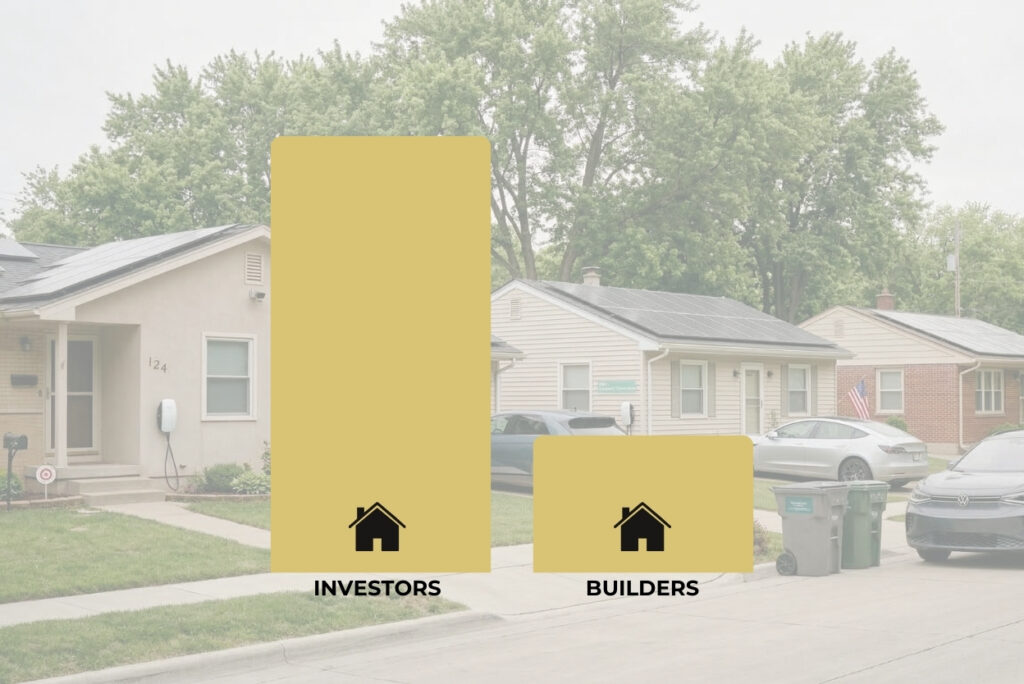
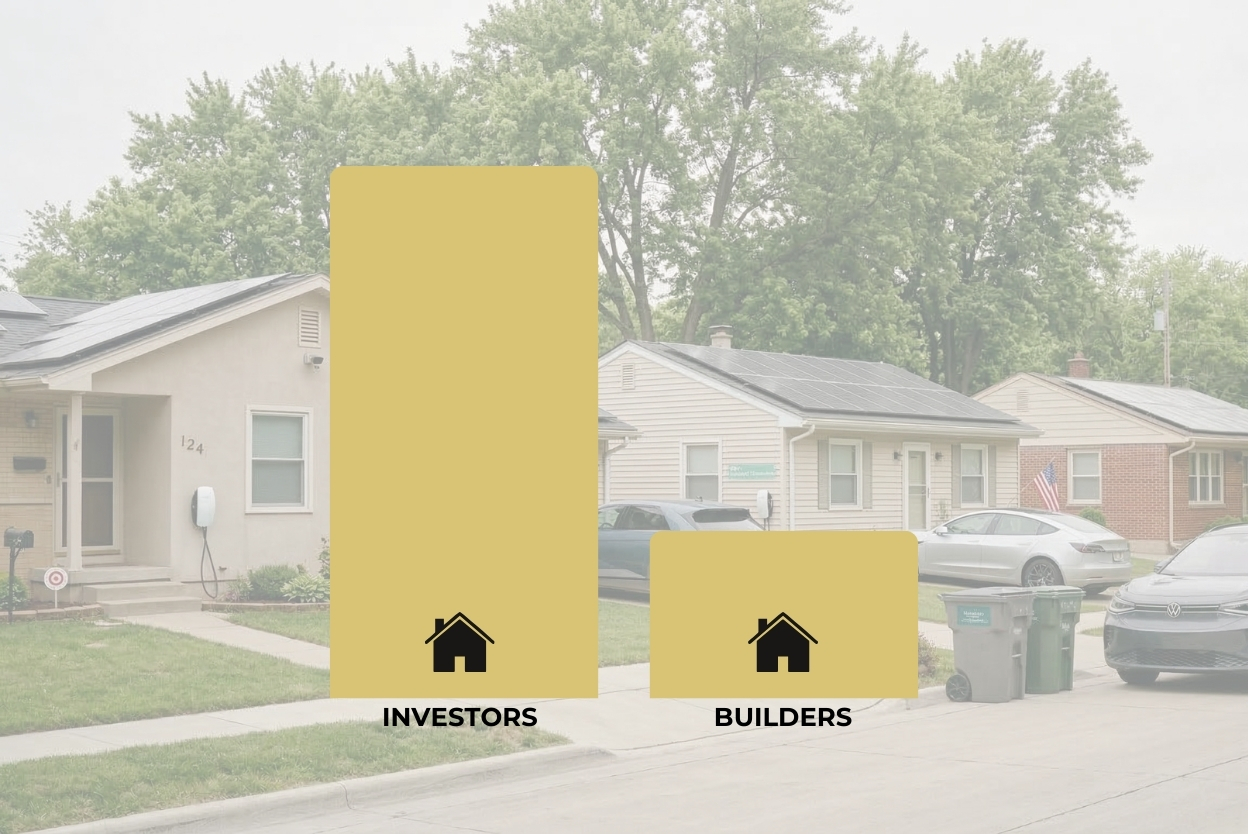
- New Western’s 2026 Flip Side Report finds local investors delivered 216.9% more entry-level homes than builders in 2025.
- Investors accounted for 83.75% of new inventory under $215K and 69.5% under $250K, dominating the most affordable segments of the housing market.
- The report also highlights a large revitalization pipeline, including 15,039,000 vacant homes nationwide and 6,700,000 homes in need of significant repair.
In 2025, local real estate investors delivered 216.9% more starter homes than builders.
The data comes from New Western’s 2026 Flip Side Report, which argues the real problem in today’s market is this: the housing system is running out of livable, affordable starter homes at the bottom of the market.
The report shows those homes are coming not from new construction but from small, local investors who buy distressed properties, renovate them, and return them to the market.
Byron Lazine unpacked the data on the Tuesday Hot Sheet, highlighting how this investor-driven revitalization is becoming one of the largest sources of U.S. starter homes.

In 2025 alone, investors delivered 120,193 entry-level homes, compared to 37,931 starter homes supplied by builders.
To understand why that matters so much, it helps to look at how the housing market is supposed to work in the first place and what happens when the first rung of the ladder starts to disappear.
The Starter-Home Shortage Is the Real Bottleneck
The supply issue with the U.S. housing market is often framed as a simple shortage of homes. But the data in New Western’s report suggests the problem is more specific.
The biggest shortage is happening at the entry level, where first-time buyers typically enter the housing market.
Think of the housing market as a ladder. Most households move through a predictable progression, with the starter home as the first rung after renting:
- Renting
- Buying a starter home
- Moving into a larger family home
- Settling into a long-term or legacy property.
In 2025, home sales were relatively evenly distributed across three price tiers:
- $498,000 and above: 1,140,204 sales (32% of total sales)
- $261,000–$498,000: 1,379,290 sales (39% of total sales)
- $261,000 and below: 1,033,749 sales (29% of total sales)
Even though transactions are spread across these price bands, supply pressure is heavily concentrated at the bottom.
According to Zillow, the U.S. housing shortage reached 4.5 million homes in 2024, adding fuel to today’s affordability challenges.
At the same time, the country has more than 15 million vacant homes, including 15,039,000 vacant properties identified by the U.S. Census.
There’s also a large pool of homes that exist but aren’t livable in their current condition. A Harvard study estimates that more than 6,700,000 occupied homes require significant repair.
That gap between available housing stock and usable starter homes is where the story of investor-driven revitalization begins.
Why Builders Aren’t Filling the Starter-Home Gap
Builders are still a critical part of the housing market. But the current economics of new construction make it difficult to produce homes at the lowest price points.
As a result, the majority of new homes are not being built in the starter home segment.
In 2025, builder activity was concentrated in the middle and upper tiers of the housing market:
- $261,000 and below: 37,931 homes (10.6% of new construction)
- $261,000–$498,000: 186,927 homes (52.3% of new construction)
- $498,000 and above: 132,475 homes (37.1% of new construction)
Overall, builder supply distribution looked like this:
- Starter band: 19%
- Middle band: 53%
- Upper band: 28%
That leaves the most constrained segment of the housing ladder, starter homes, relying on a different source of supply.
And the data shows that supply is increasingly coming from the renovation of existing housing stock rather than new construction.
The Rise of the Great Renovation
If builders aren’t supplying most starter homes, where is that inventory coming from?
According to New Western’s report, it’s increasingly coming from small, local real estate investors who specialize in renovating distressed properties and returning them to the market.
In 2025, investors delivered 120,193 starter homes, compared to 37,931 delivered by builders.
That means investors supplied 216.9% more homes in the entry-level segment than new construction.
The difference becomes even more pronounced at lower price points.
- Investors supplied 83.75% of new inventory under $215,000
- Investors supplied 69.5% of new inventory under $250,000
- In the sub-$215,000 segment, investors delivered 415% more inventory than builders
- In the under-$250,000 segment, investors delivered 127.9% more inventory than builders
Once renovated, these properties return to the market as move-in-ready homes that can be financed, listed on the MLS, and purchased by traditional buyers.
Kurt Carlton, Co-Founder and President of New Western, put it this way:
“What if the real housing crisis isn’t that we haven’t built enough homes, but that we’re letting millions of starter homes disappear?
“Fixing today’s housing challenge isn’t just about building more homes. It’s about whether attainable housing actually exists at the entry point. In 2025, small, local independent investors quietly became the largest suppliers of starter homes in America. They aren’t building subdivisions, they’re revitalizing existing homes that would otherwise remain underutilized and returning them to productive use.
“The Great Renovation is restoring the first rung of the housing ladder.”
This is good news for real estate agents, too.
In 2025, investor-driven transactions generated more than $20.9 billion in listing agent commissions, supporting activity across brokerage, lending, title services, and construction trades.
What This Means for the Housing Market
One of the most striking findings in the report is how much untapped housing supply already exists.
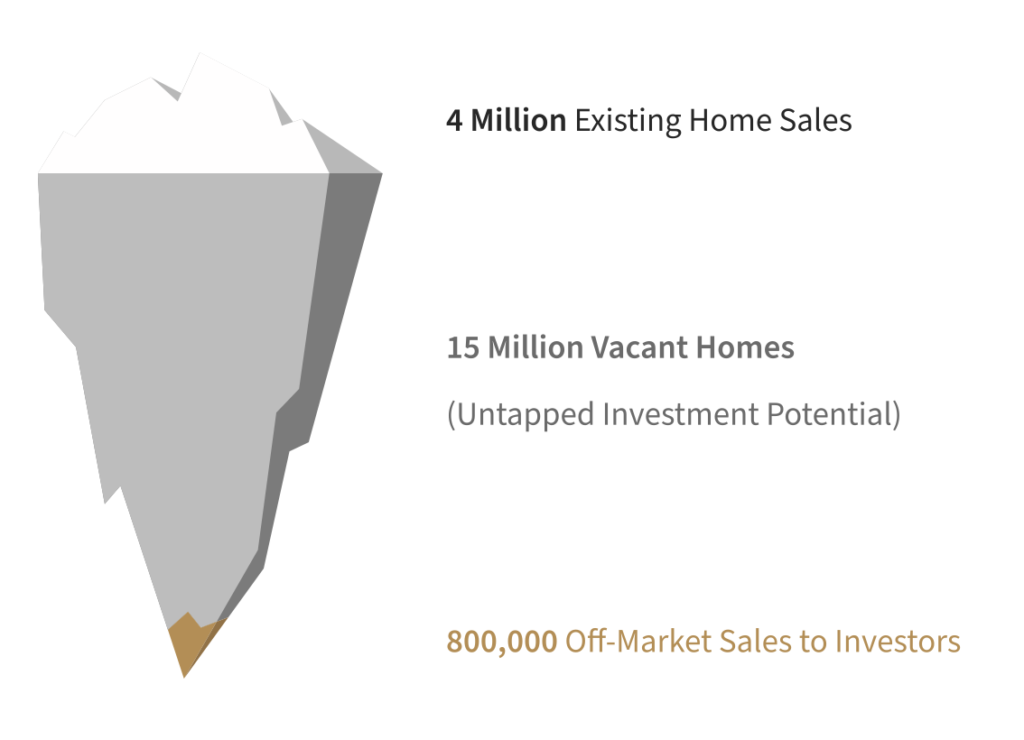
According to the U.S. Census, there are approximately 15,039,000 vacant homes across the United States. At the same time, research from Harvard identifies more than 6,700,000 occupied homes that require significant repairs.
Source: New Western
Together, those numbers point to a large pool of housing stock that technically exists but can’t function as move-in-ready housing without substantial rehabilitation.
By restoring distressed homes and returning them to the market, investors are effectively rebuilding entry-level homeownership and making the American dream more accessible.
Byron Lazine doubled down on that point:
“So, if we’re going to say investors should never buy single-family homes, you’re actually removing starter homes from the market if you’re not gonna let the fix-and-flip pros come in and provide a great product…
“Local, small investors are bringing the starter home inventory to the market more than anybody else. And so, I think we should be protecting our investors.”
New Western’s report calls this shift the Great Renovation. And based on the data, it’s already reshaping how entry-level housing supply is being created in the U.S.
That should factor into your conversations with first-time buyers, particularly if they’re going into it focused on new construction. Building connections with local investors and house flippers could give you an edge with presenting viable resale homes that fit your clients’ needs.
Also, do your buyers a favor by debunking the doomer posts and alarmist headlines about single-family homes being swallowed up by institutional investors.
The data paints a very different picture. Byron summed it up this way:
“You want to get those single-family homes away from institutions? Okay. But we can never get to the place where we stop the mom-and-pop people from being able to invest in homes. They’re doing a good thing in the market.
“As a real estate professional, I’d encourage you to do the same. I’d encourage you to bring some starter homes to the market through investments, through rehabilitating homes. If you’re interested in that, I’d look at helping out in that area.”