


The White House announced plans today to ban large institutional investors from buying single-family homes, signaling a potential policy shift with major implications for housing supply, rentals, and affordability.
The news first surfaced through posts on X (fka Twitter) and Truth Social, both sharing the same statement from President Trump:
“For a very long time, buying and owning a home was considered the pinnacle of the American Dream. It was the reward for working hard, and doing the right thing, but now, because of the Record High Inflation caused by Joe Biden and the Democrats in Congress, that American Dream is increasingly out of reach for far too many people, especially younger Americans.
“It is for that reason, and much more, that I am immediately taking steps to ban large institutional investors from buying more single-family homes, and I will be calling on Congress to codify it. People live in homes, not corporations.”
While he didn’t share details on the ban, Trump stated that he will “discuss this topic, including further Housing and Affordability proposals” during a speech at the World Economic Forum in Davos in two weeks.
What We Know So Far
Beyond the president’s post, few concrete details have been released. There’s no draft legislation yet, no clarity on enforcement, and no explanation of how the policy would define “large institutional investors.”
On X, ResiClub founder Lance Lambert highlighted that it’s still unclear how any proposed legislation would treat institutional capital that adds supply through build-to-rent development.
#NEW Trump: “I am immediately taking steps to ban large institutional investors from buying more single-family homes, and I will be calling on Congress to codify it”
“People live in homes, not corporations”, he adds pic.twitter.com/jjEzpWPopo
— Lance Lambert (@NewsLambert) January 7, 2026
How the Housing World Is Reacting
HousingWire Lead Analyst Logan Mohtashami responded by sharing data that puts investor ownership into perspective. Large institutional investors control only a small slice of the overall single-family housing stock, a point that came up repeatedly in the comment threads reacting to the announcement.
🫡 https://t.co/LaM5hWRyDM pic.twitter.com/jOeYsig1zN
— Logan Mohtashami (@LoganMohtashami) January 7, 2026
Sharran Srivatsaa, president of Acquisition and BAM board member, posted a green screen reel breaking down three things both agents and consumers should keep in mind:
- “Wall Street is not buying as many homes as you think…”
- “We stopped building enough homes…”
- “These investors are also landlords. If you ban them from buying, you’re cutting the supply of rentals…”
View this post on Instagram
Douglas Boneparth, President at Bone Fide Wealth and CNBC Advisor Council, echoed this with his X post:
Two things can be true:
(1) Large financial institution should not be buying up single-family homes.
(2) Large financial institutions own 0.4–0.7% of single-family homes.
— Douglas A. Boneparth (@dougboneparth) January 7, 2026
Public responses ranged widely. Some dismissed the proposal as political theater. Others welcomed the idea, hoping it could free up inventory for individual buyers or put downward pressure on prices in certain markets.
A smaller but vocal group pushed for a more aggressive approach, calling for a forced sell-off of homes already owned by large investors.
That’s where the tradeoffs become clearer. As Mohtashami noted in his thread, fewer institutional buyers also means fewer single-family rentals.
“People live in these homes,” Mohtashami wrote. “Banning is just a future rental supply story, meaning less of it.”
That’s especially true in markets where those investors already play a meaningful role.
Market Ripples and What Comes Next
BlackRock and Blackstone both surfaced repeatedly in online discussions, even though Blackstone, not BlackRock, is the firm actively involved in single-family rental acquisitions.
Shares of both companies slid Wednesday afternoon following the announcement, along with AMH and Invitation Homes, reflecting how seriously markets are taking even the possibility of policy change.
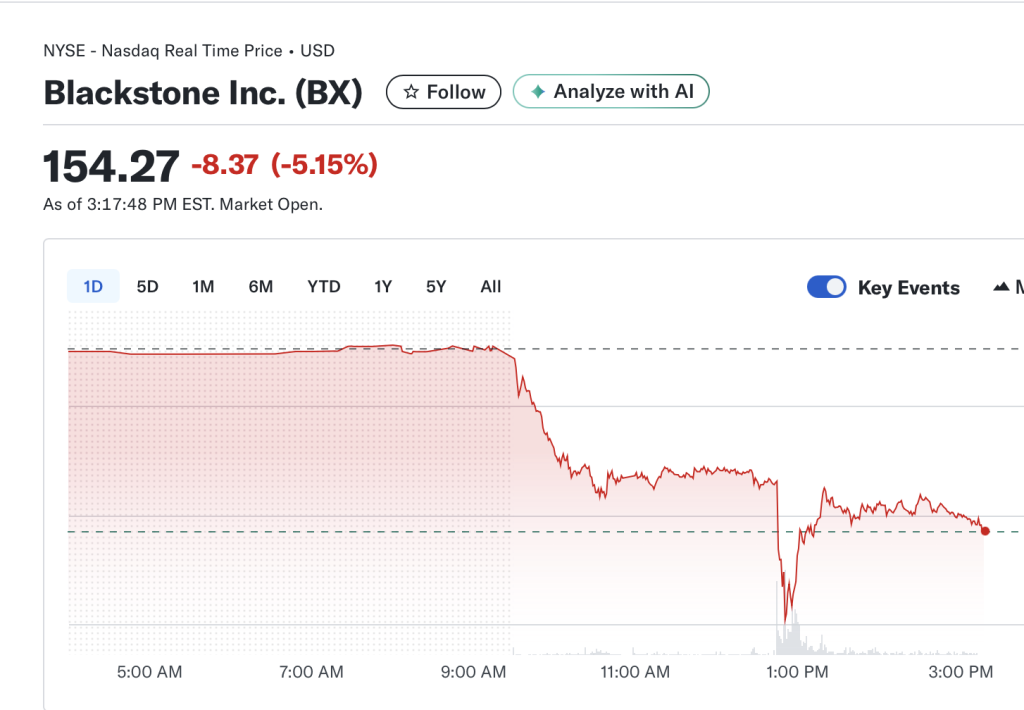
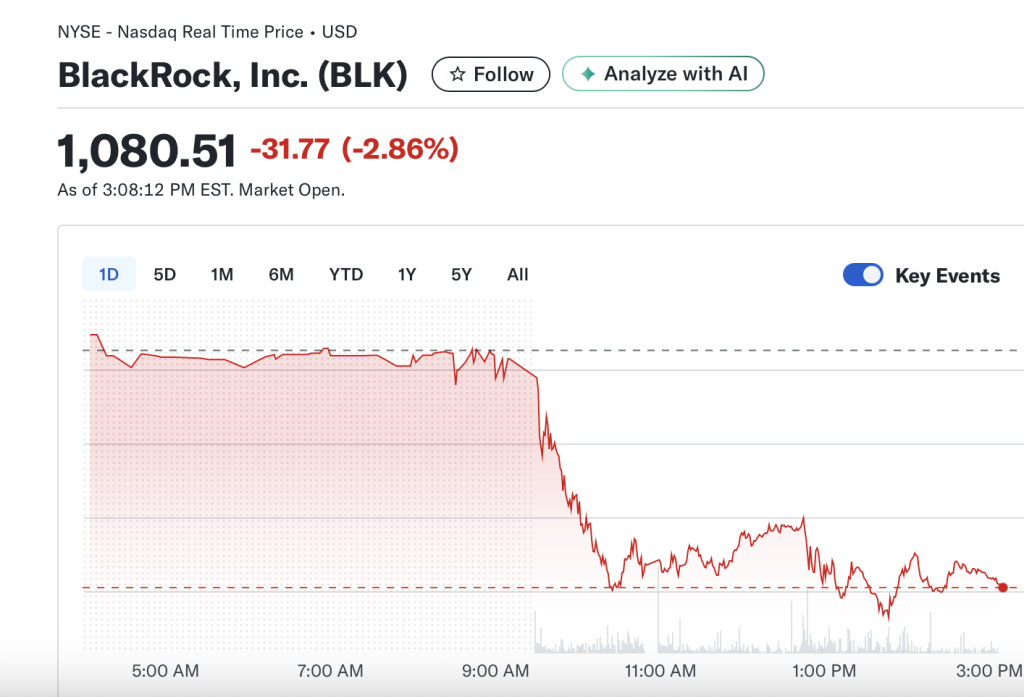
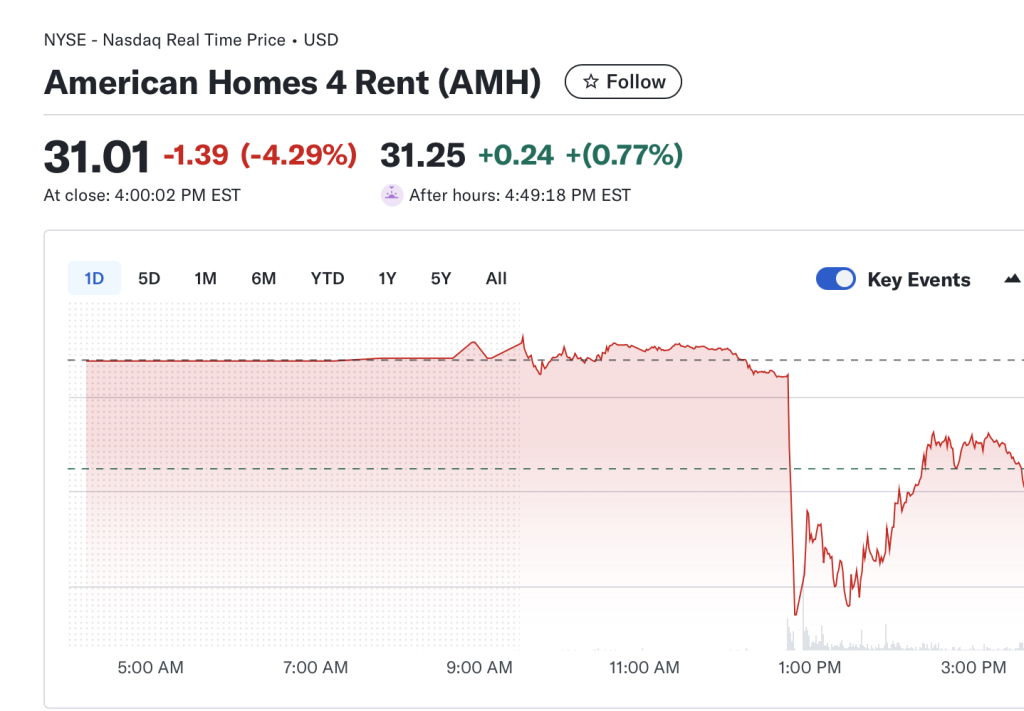

For now, this remains a headline without a blueprint. The real impact will hinge on how “institutional investor” is defined, whether build-to-rent is exempted, and how Congress responds to the president’s call to codify the move.
As more details come out, this story could reshape conversations around housing affordability, rental supply, and who gets to compete for America’s single-family homes.