
BAM Key Details:
- Realtor.com’s 2026 midyear forecast cuts home price growth to 1.2%, down from the original 2.2% projection.
- Mortgage rate projections hold steady at 6.3% for the 2026 average and year-end rate.
- Existing home sales are now expected to reach 4.10 million, down from the original forecast’s 4.13 million but up 1.0% from December’s projected total for 2025/
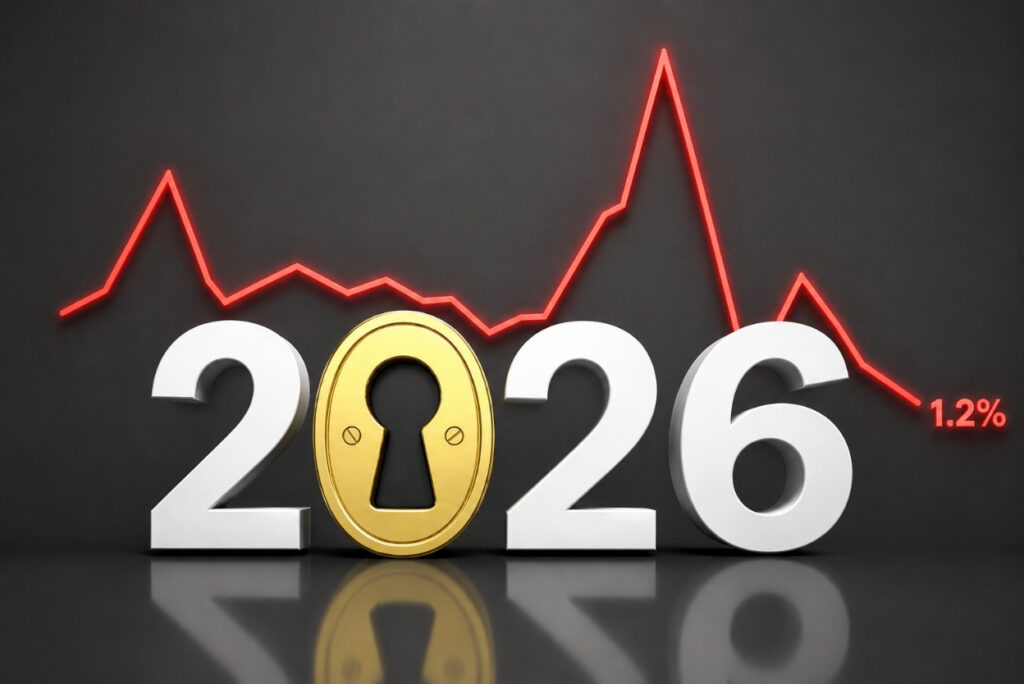
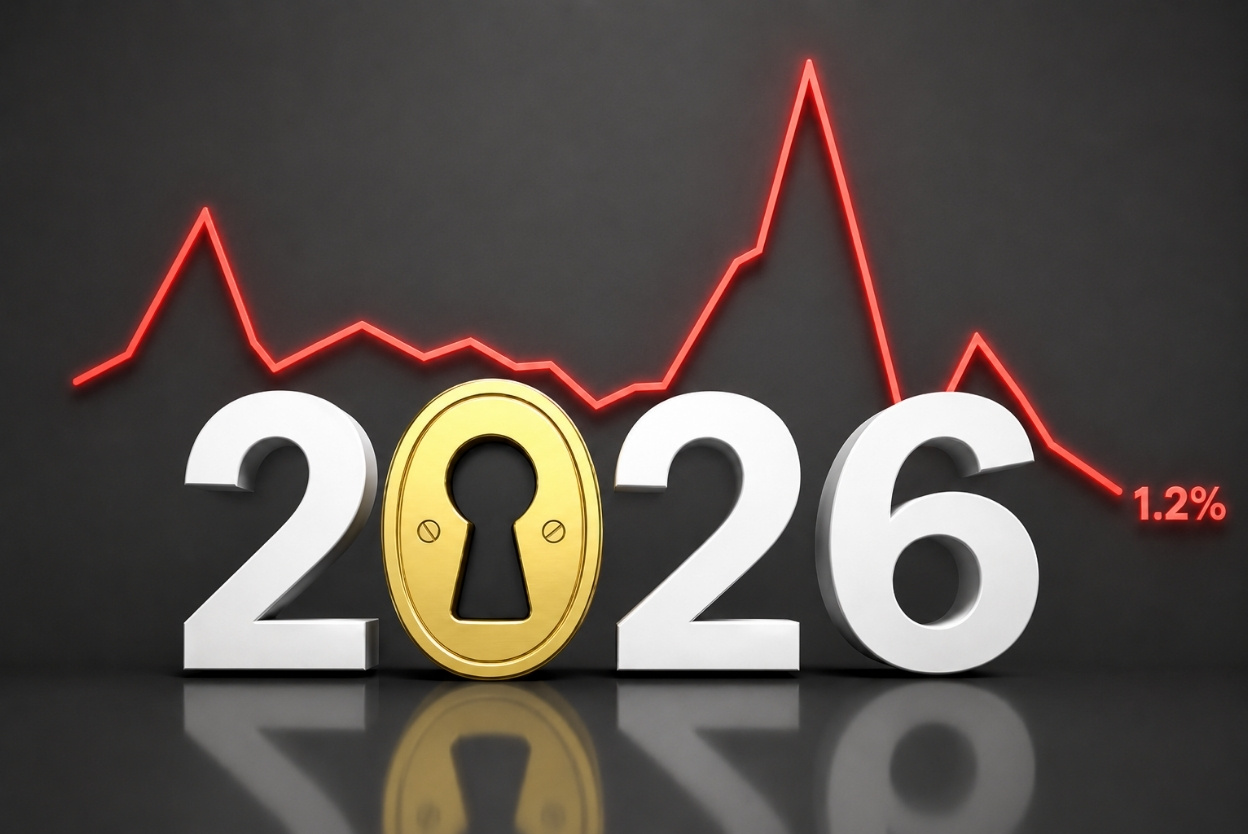
Realtor.com’s Mid-Year Forecast downgrades its home price growth projection to 1.2% for 2026, one full percent down from the original 2.2% projection.
The revised figure puts price growth even further below the 3.4% projected inflation rate, further reducing the share of household income going to monthly housing costs even as other costs rise to squeeze homebuyer budgets.
Read on for key data points you’ll want to include in your conversations with clients.
Home Price Growth Is Cooling Faster Than Expected
Realtor.com downgraded its price growth forecast for the year, and it’s not keeping pace with inflation.
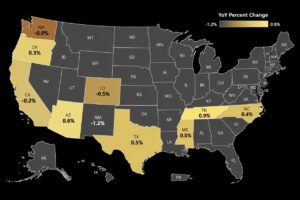
- Price growth forecast: 1.2% for 2026, down from the original 2.2% projection
- Year to date price growth: 1.0% over last year
- Projected inflation for 2026: 3.4%
Sellers are responding by lowering asking prices upfront rather than cutting later, which is why price reductions are down compared to last year.
Here’s how Danielle Hale, chief economist at Realtor.com, explains today’s market:
“Against a backdrop of both familiar and new challenges, the economy has proved resilient. As a result, the first half of 2026 delivered stability more than momentum in the housing market. The housing market is inching forward as sellers reset expectations, price growth cools, and buyers gain more negotiating power. Looking ahead, we expect momentum to build through the second half of the year as more sidelined buyers and sellers find terms that work for both sides.”
Mortgage Rates Are Holding, But the Path Got Bumpier
Realtor.com’s 6.3% projection for the average and year-end rate hasn’t changed.
The year-end rate for 2025 was also 6.3%, while the average was 6.6%. So, the data shows 2026 tracking slightly better, on average, than the year before.
Now for the spanner in the works. Inflation hit a 3-year high of 4.2% in May, wiping out that month’s wage gains.
In the Federal Reserve’s June statement, new Chair Kevin Warsh vowed to prioritize price stability. And since Trump’s February strikes on Iran, markets have shifted from pricing in 1-2 rate cuts by December 2026 to now expecting 1-2 hikes. We’re now looking at a nearly full point swing driven by the Iran conflict’s impact on oil prices and inflation.
Meanwhile, the 10-year yield is holding between 4% and 4.5%, keeping mortgage rates in the 6% to 6.5% range (looking at Freddie Mac’s weekly averages), largely due to the lower spread.
For homebuyers waiting for rates to fall below 6%, it’s been rough. Even with other levers to pull, buying a home is still unaffordable for many Americans.
The silver lining? With price growth weakening, the typical buyer’s monthly housing payment is now projected at 1.9% below last year’s, which is better than the original 1.3% forecast.
So, for buyers who find a way, a slightly smaller share of their income will go to housing.
Sales and Affordability Are Both Moving in the Agent’s Favor
Realtor.com’s revised forecast has existing home sales for 2026 at 4.10 million, down from the original 4.17 million projection but still up 1.0% from 2025.
Home sales trailed last year’s pace in the first three months (Q1) of the year, then steadied in April and climbed in May. Year to date, sales are running 0.2% ahead of last year’s pace.
The homeownership rate was also revised up to 65.1% after a Q1 actual rate of 65.3%.
Hale commented:
“Buyers and sellers have shown a lot of staying power this year. This is a market where people are adjusting and showing up rather than giving up. Sellers are meeting the market with more realistic asking prices, which is helping deals get done.”
Builders Are Pulling Back, and a New Wildcard Is Emerging
Realtor.com’s data shows the national homebuilding deficit at an estimated four million homes.
Homebuilders are pulling back permits and housing starts most sharply in the South and West where supply has grown the fastest. Right now, the biggest building opportunity (at least in terms of demand) remains in the Northeast and Midwest.
As for the U.S. rental market:
- Rent growth is expected to decline by 1.2% in 2026.
- Rental vacancy rates are expected to end 2026 close to the 7.2% long-term average from 2013 to 2019.
- They were at 7.3% in Q1
Whether that relief continues depends on whether multifamily supply (specifically of the affordable kind) keeps up with rental demand. This year started out strong with relatively robust multifamily starts in Q1, but they dropped sharply in May.
It’s one signal to watch throughout the next six months.
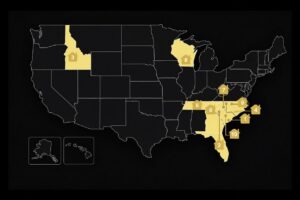
Another is the rise in private listing networks (PLNs), which Realtor.com flagged as a wildcard for the second half of 2026.
Here’s how Hale explained it:
“Keeping listings off the open market changes the equation for everyone involved.
“Sellers who go private are trading away visibility and competition among buyers, and that competition is usually what pushes a sale price up. For buyers, it means they aren’t seeing every home or the whole market, making it harder to know what a fair price even looks like.
“That’s a real cost with real consequences and is something we should be cautious of as the market is starting to find its footing.”