
Key Details:
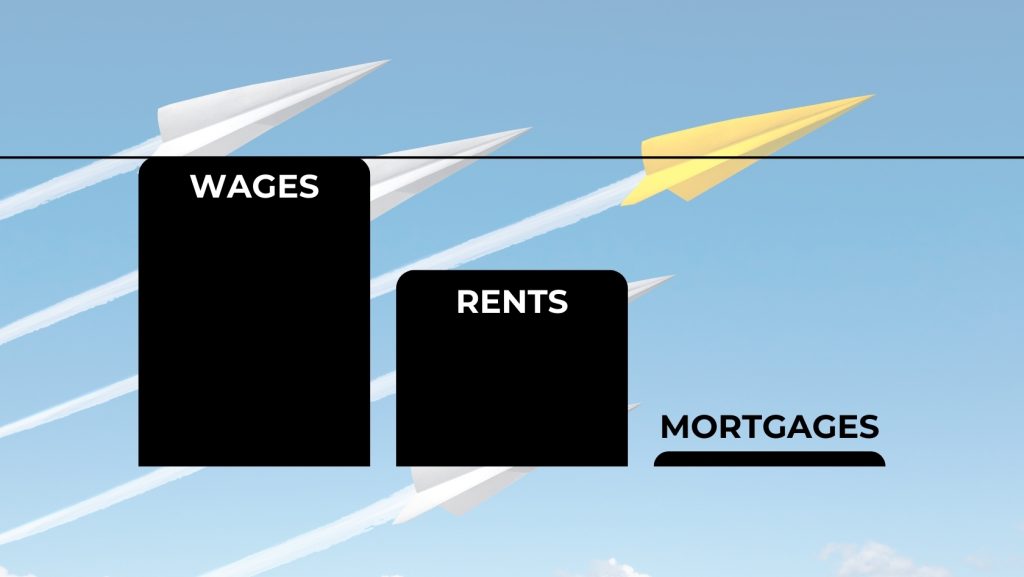
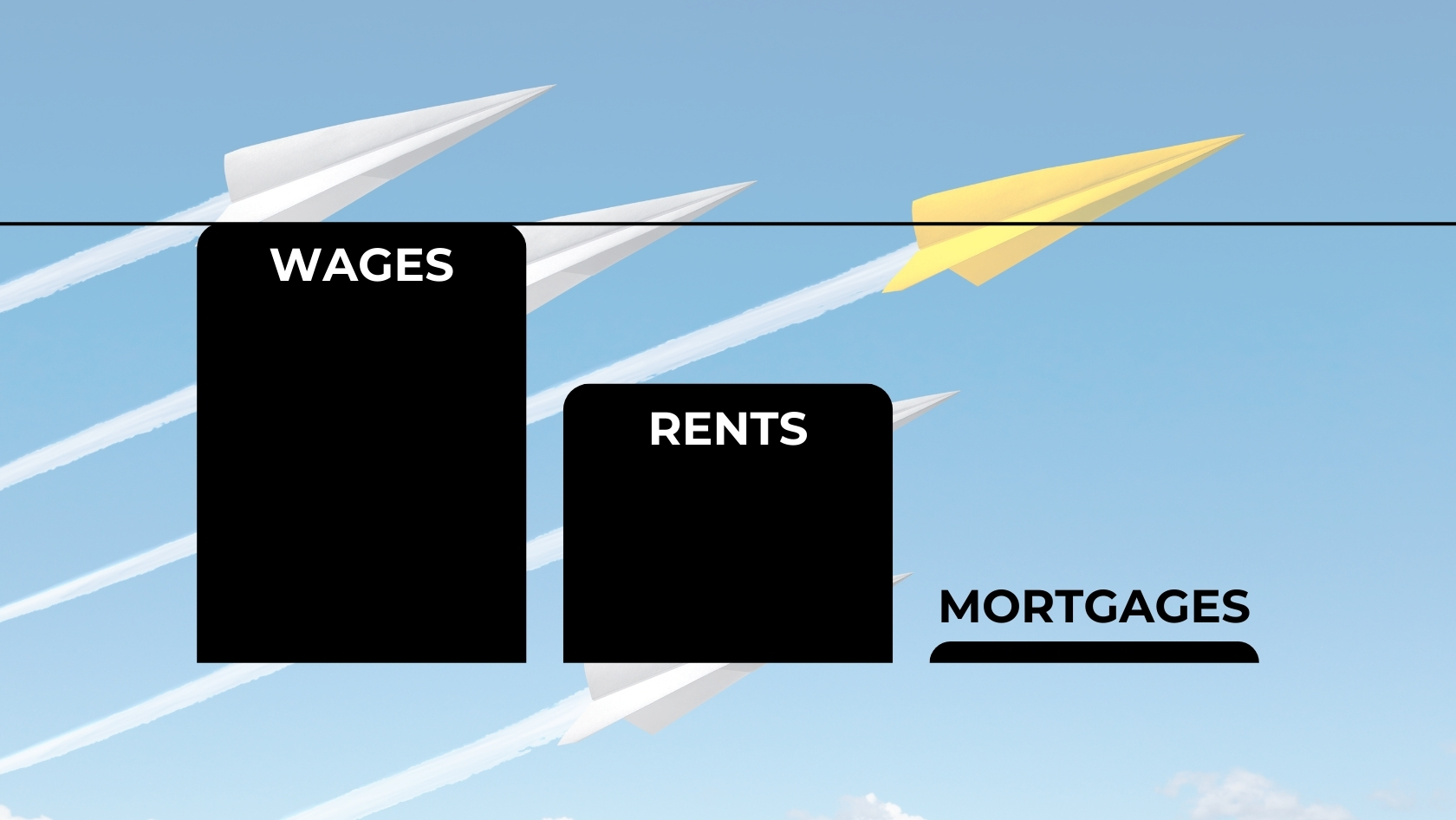
- Redfin reports wages rose 4.1% YOY through August 2025, outpacing asking rents at 2.6% and mortgage payments at 0.2%.
- Median mortgage payments fell to $3,192 in July as rates dropped to 6.25%, the lowest in a year.
- Meanwhile, median asking rent rose to $1,790, the biggest jump since December 2022.
Wages are rising faster than rents and mortgage payments, extending a welcome trend that’s been building for months.
According to a new Redfin report, wages rose 4.1% year over year, while asking rents climbed just 2.6% and mortgage payments barely budged at 0.2%. That marks a sharp reversal from the pandemic years, when surging home prices and borrowing costs left wage growth far behind.
This shift is giving buyers and renters a little more breathing room, but it comes with important caveats. Let’s break down the numbers and what they mean for your clients.
Wage Growth Is Outpacing Housing Costs
The standout stat from Redfin’s analysis is the 4.1% year-over-year increase in wages, based on data through August 2025. That growth is now outpacing both rents and mortgage payments.
- Wages: up 4.1% YOY
- Asking rents: up 2.6% YOY
- Mortgage payments: up 0.2% YOY
This isn’t a sudden flip. Wages have outpaced rents since September 2022, and they’ve been ahead of mortgage payments since February 2025. The through line is consistency, even if the edge over mortgage payments is more recent.
What’s Happening with Mortgage Payments
Falling mortgage rates have been the main driver behind slower payment growth.
Rates have been trending down since May 2025, hitting 6.13% in mid-September, the lowest level in roughly a year (before bouncing back up after the FOMC meeting).
This drop is giving buyers a small but real bump in purchasing power. The median monthly mortgage payment fell to $3,192 in July, down from $3,239 in June. While that $47 drop may not sound like much, over the course of a 30-year loan it represents thousands in savings.
Still, affordability challenges remain:
- Current mortgage rates are more than double the record lows reached during the pandemic.
- Home prices are still climbing, even if the pace has slowed since 2021–2022.
For clients, the key takeaway is that while conditions are improving, housing is far from cheap.
The Rental Market Rebounds
Renters aren’t catching the same break.
After nearly two years of softening, asking rents are picking up again. The median asking rent rose 2.6% year over year in August to $1,790, the largest increase since December 2022.
The rise comes down to supply and demand:
- Demand is strong because high homebuying costs are keeping more households in the rental market.
- Supply is shrinking because apartment construction slowed dramatically over the past year.
The result is upward pressure on rents at a time when many renters were hoping for continued declines. While wage growth still outpaces rent growth, the gap is narrowing.
Relief vs. Reality
Redfin’s head of economic research, Chen Zhao, summed up the situation this way:
“It’s encouraging that wages are growing faster than housing costs because it gives homebuyers and renters a bit more breathing room. But today’s relief doesn’t erase yesterday’s struggles. Years of rapid home price growth during and after the pandemic pushed homeownership out of reach for many American families, and we’re still working to close the gap.”
That perspective matters. Today’s wage growth does make housing slightly more affordable, but the long-term affordability crisis hasn’t gone away.
The pandemic era of runaway price growth left deep scars, and many households are still locked out of ownership despite modest improvements.
These trends provide powerful talking points for client conversations:
- Buyers: Lower mortgage payments combined with wage growth can strengthen purchasing power, even if affordability remains a challenge.
- Renters: Rising rents are a clear reminder that staying in the rental market isn’t always the safer option, especially if wages can support a move to ownership.
Use these data points to frame realistic expectations around affordability. Show buyers how lower rates translate into monthly savings. And highlight rental trends for investors watching demand and supply dynamics.
Wages outpacing housing costs is encouraging, but it doesn’t erase years of price growth that made housing less attainable.
Agents who can put these numbers in context for their clients will stand out as trusted advisors.