
Key Details:
- According to a new Realtor.com® report, the typical U.S. household would need to spend 44.6% of their income to afford a median-priced home in May 2025, well above the traditional 30% affordability threshold.
- Just three of the top 50 metros still meet that standard: Pittsburgh (27.4%), Detroit (29.8%), and St. Louis (30.0%).
- In high-cost coastal metros like Los Angeles, housing now consumes more than 100% of median income, leaving affordability out of reach for most buyers.
In 2025, following the 30% affordability rule is no longer a guideline. It’s a luxury.
According to a new Realtor.com® Affordability Report, the typical U.S. household would need to spend 44.6% of their income to afford a median-priced home as of May 2025. And in markets like Los Angeles, the cost of homeownership exceeds 100% of the median income.
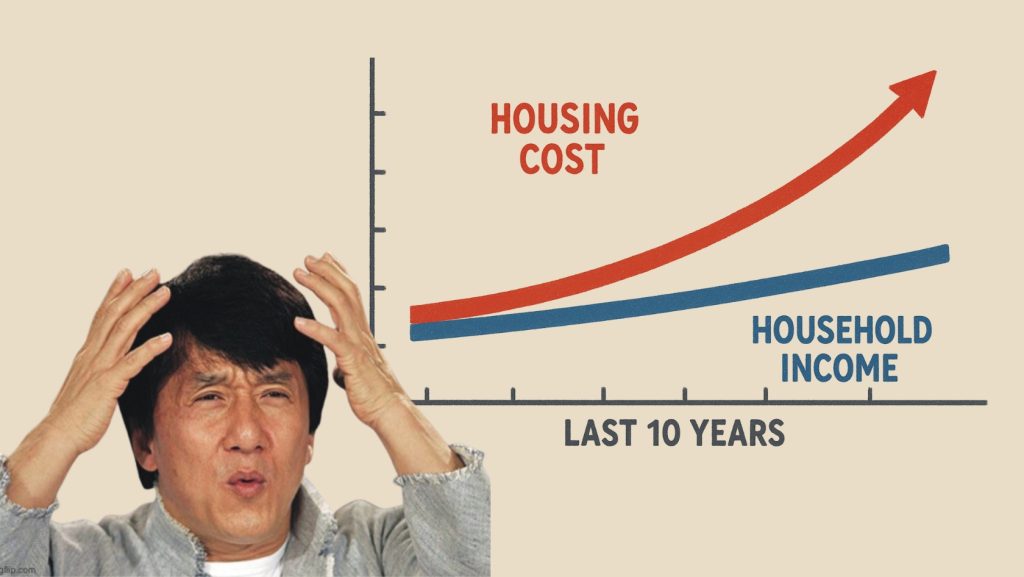
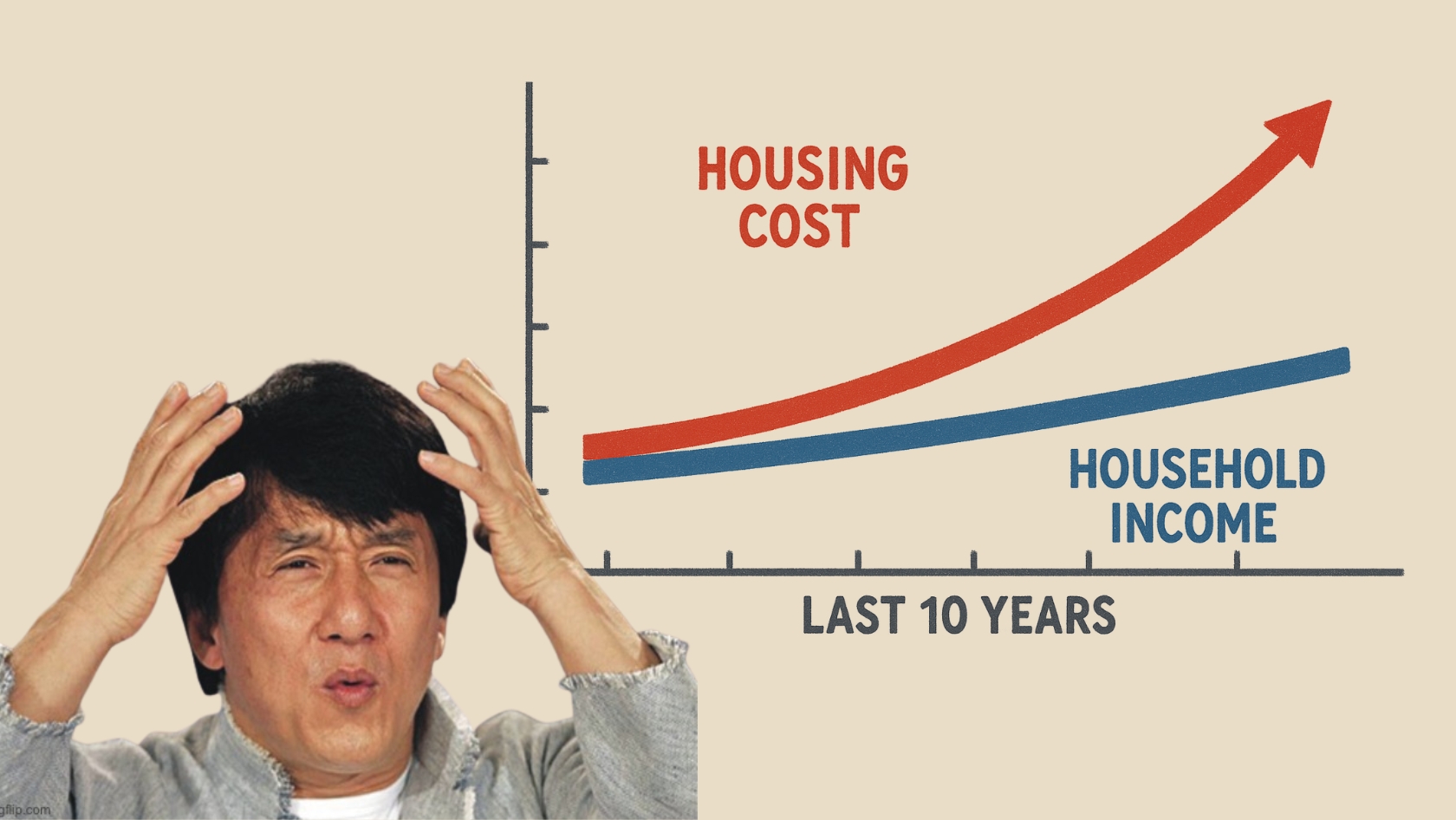
Even with rising wages, homebuying costs have outpaced income growth. The result: just three of the top 50 U.S. metros still meet the standard definition of affordability.
As Danielle Hale, Chief Economist at Realtor.com®, explained:
“Earnings have risen, but homebuying costs have risen faster, which means that adhering to affordability guidelines can feel challenging if not impossible in many housing markets across the country.
“While a few Midwestern markets still offer a path to homeownership for the median-income household who can make a 20% down payment, in most large metros, the dream of owning a home remains out of financial reach without significant changes to either housing supply or interest rates.”
On to the highlights.
Just Three Major Metros are Considered Affordable
Using a 20% down payment and May’s average mortgage rate of 6.82%, only three major metros meet the 30% affordability threshold:
- Pittsburgh, PA (27.4%)
- Detroit–Warren–Dearborn, MI (29.8%)
- St. Louis, MO-IL (30.0%)
These markets remain relatively affordable thanks to lower home prices. But that affordability is attracting new demand, especially from first-time buyers in the lower price points. And that could cause prices to rise.
As Detroit-based luxury real estate broker Anthony Djon put it, “First-time buyers are moving with urgency because they know the window to buy affordably is narrowing.”
Coastal Markets Are Completely Out of Reach
On the other end of the spectrum, the most expensive metros require buyers to stretch well beyond their means.
Here’s how affordability breaks down in some of the nation’s largest markets:
- Los Angeles, CA (104.5%)
- San Diego, CA (77.1%)
- San Jose, CA (72.4%)
- New York, NY (66.9%)
- Boston, MA (64.3%)
In Los Angeles, more than half of households are renters (51.0%), compared to 49.0% homeowners. Nationwide, the homeownership rate is 65.1%.
Why Housing Is Unaffordable in 2025
The affordability crisis is being driven by two main factors:
- Home prices remain elevated in high-demand markets, particularly those with a lack of new housing supply.
- Mortgage rates are stuck. The May 2025 average of 6.82% reflects limited movement, with ongoing economic uncertainty making rate cuts harder to predict.
Even as wages increase, they’re not rising fast enough to keep up with housing costs. And in many cases, they’re fueling demand, which pushes prices even higher.
What Can Actually Make Housing More Affordable
Realtor.com points to two long-term solutions: raise incomes or lower housing costs.
Raising incomes sounds great (for those whose incomes are going up), but broad income boosts can easily backfire by increasing buyer demand and driving prices up even higher. The same thing can happen with down payment assistance for lower-income homebuyers with no savings to put towards a home purchase.
The second option, lowering housing costs, can be done in one of two ways:
- Bring down mortgage rates
- Increase supply through new home construction, specifically at the entry-level and affordable price points
According to the report, markets that have added significant new construction over the past 5+ years have seen prices ease, while supply-constrained metros remain stubbornly unaffordable.
Where Did the 30% Rule Come From Anyway?
The 30% rule traces back to 1969, when the Brooke Amendment capped public housing rent at 25% of a tenant’s income. That cap rose to 30% in the early 1980s, where it’s largely stayed, becoming a widely accepted standard for “affordable housing” ever since.
That said, it doesn’t reflect the reality of monthly housing costs for many homeowners and renters in the U.S.
Today, the U.S. Department of Housing and Urban Development (HUD) still uses 30% of gross income as its benchmark for affordability, meaning a household spending more than that is considered “cost-burdened.”
The rule isn’t perfect. For one, it doesn’t account for regional cost-of-living differences or non-housing expenses (like monthly payments on college debt, medical bills, etc.). But it’s still the baseline most housing economists and policymakers use to assess affordability.
So while the 30% rule may feel outdated in today’s market, especially in high-cost metros, it remains the most consistent yardstick we’ve got.
Key Takeaways for Agents
- Affordability is now a local story. Help buyers focus on markets or suburbs where the numbers still work.
- Understand the real math behind affordability: today’s buyers are navigating a different landscape than even a few years ago.
- Educate clients about mortgage strategies, down payment options, and why affordability pressure may impact long-term demand in their area.
- Track new construction trends in your market; they could become your buyers’ best shot at homeownership.
An affordable “share of income” is not a one-size-fits-all. And while buyers might be discouraged by the prices on available listings, you, as a real estate professional, know better than anyone how to change the math using resources and negotiation strategies that can ultimately make the right home fit your buyer’s budget.
So, what are you doing to give your buyers a new perspective on the housing landscape?