
Key Details:
- Redfin reports that U.S. housing markets had 36.7% more sellers than buyers in September 2025, just below the record high of 36.9%.
- Austin, TX led all metros with 130% more sellers than buyers, while Newark, NJ topped the list of seller’s markets with 41.9% fewer sellers than buyers.
- Across all 50 major metros, 35 were buyer’s markets, and home prices in those markets rose just 1.3% year over year.
It’s not often buyers hold this much power.
According to new Redfin data, there were 36.7% more home sellers than buyers nationwide in September, marking one of the largest gaps in over a decade.
That imbalance has shifted much of the negotiating power to buyers, especially in markets that once seemed untouchable.
The story playing out across the country is one of contrast. In the Sun Belt, oversupply and affordability pressures are creating strong buyer’s markets, while parts of the Northeast and Midwest remain firmly in seller territory.
Top 10 Buyer’s Markets
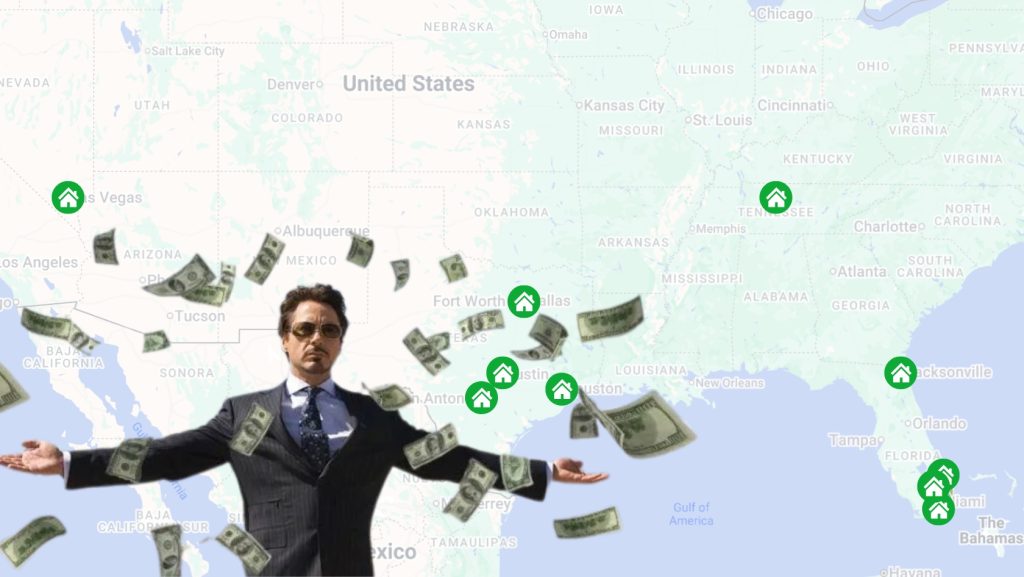
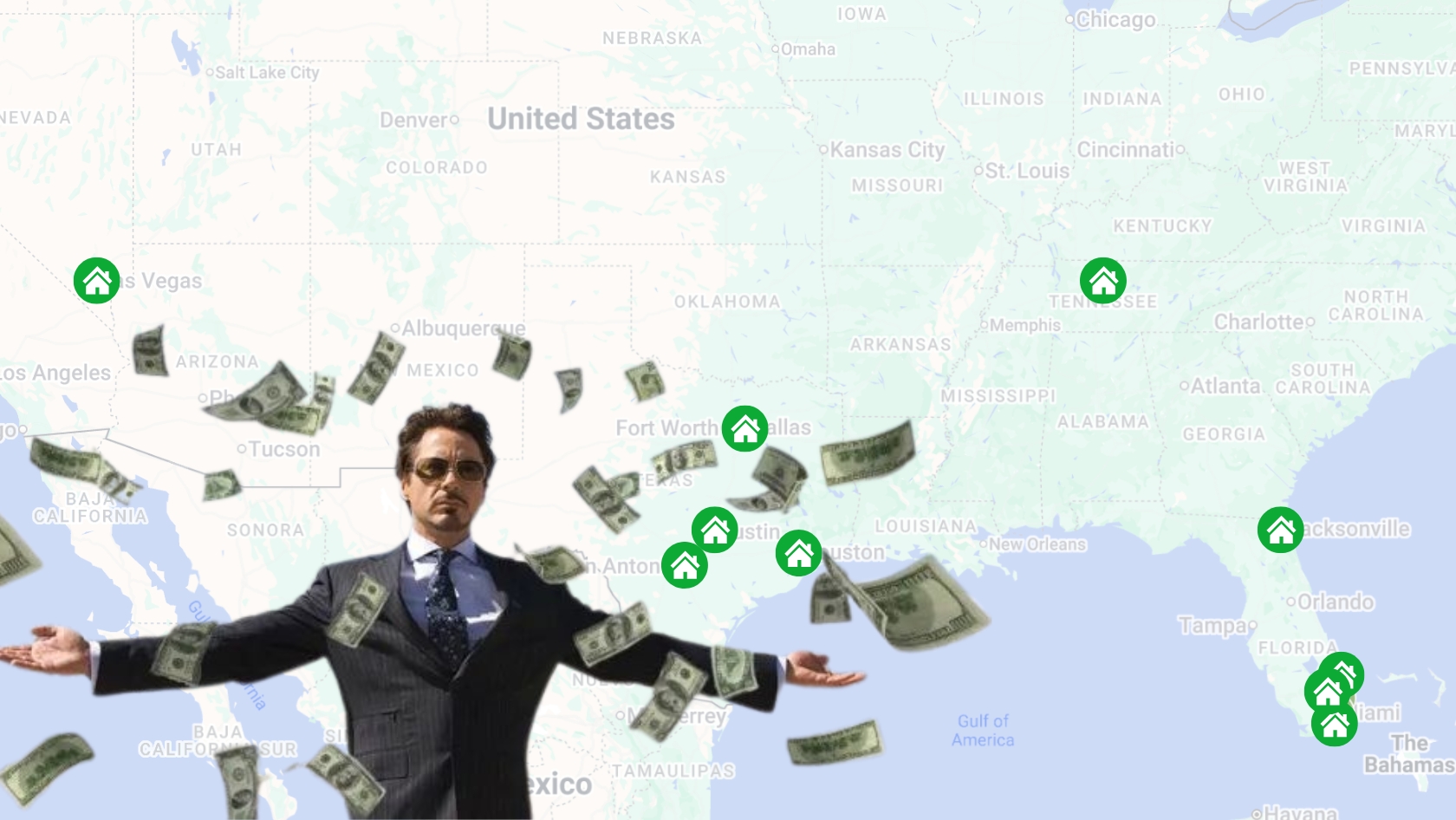
Seven metros now have at least twice as many sellers as buyers, and all but one are in Texas or Florida. These are the metros where buyers hold the most leverage.
- Austin, TX (130.0% more sellers than buyers)
- Fort Lauderdale, FL (118.5%)
- West Palm Beach, FL (113.0%)
- Miami, FL (112.2%)
- Nashville, TN (109.4%)
- San Antonio, TX (108.9%)
- Dallas, TX (100.4%)
- Jacksonville, FL (96.3%)
- Las Vegas, NV (89.6%)
- Houston, TX (83.8%)
Nationally, the spread stood at 36.7% more sellers than buyers, just below the June 2025 peak of 36.9%, the highest level in Redfin records dating back to 2013.
Austin Leads the Shift
Austin continues to be ground zero for the shift toward a buyer-driven market. The city had 130% more sellers than buyers, up nearly 50 percentage points from a year ago, the largest increase among all 50 major metros.
Home prices in the metro have dropped sharply from their 2022 highs, and with rent prices now substantially lower than monthly mortgage payments, many would-be buyers are sitting it out.
That combination of high supply and reduced demand is giving active buyers room to negotiate better prices and terms.
Florida’s Cooling Trend
Florida’s pandemic boom has clearly cooled. Overbuilding during the surge in demand left major metros with an abundance of inventory.
On top of that, rising insurance premiums, higher condo HOA fees, and increased natural disaster risks have weighed on affordability and buyer sentiment.
Metros like Miami and West Palm Beach remain deep in buyer’s market territory, but the gap between sellers and buyers has narrowed compared to last year as some sellers pull listings rather than accept lower offers.
Where Sellers Still Have the Upper Hand
While much of the South and West lean toward buyers, the most competitive seller’s markets remain concentrated in the Northeast and Midwest, where new construction is limited and inventory remains tight.
The five seller’s markets:
- Newark, NJ (-41.9% or 41.9% fewer sellers than buyers)
- Nassau County, NY (-39.1%)
- Montgomery County, PA (-28.9%)
- New Brunswick, NJ: (-25.5%)
- Cleveland, OH (-11%)
Across these five markets, home prices rose 3.8% year over year, compared with just 1.3% gains in buyer’s markets. That contrast underscores how regional supply differences continue to shape pricing trends heading into 2026.
Markets That Shifted Most Toward Buyers
Along with Austin, several other metros saw steep year-over-year increases in seller supply relative to buyer demand.
- Denver, CO – up 45.7 percentage points (now 55.7% more sellers)
- Las Vegas, NV – up 44 points (now 89.6%)
- Detroit, MI – up 41.9 points (now 42.0%)
- Dallas, TX – up 41.5 points (now 100.4%)
Conversely, markets such as Miami, Tampa, Philadelphia, and Anaheim have all shifted modestly back toward balance, though all but Kansas City remain buyer’s markets.
Regional Patterns
The broader divide comes down to construction and supply.
The South continues to lead the nation in new building permits, followed by the West, Midwest, and Northeast. Many of the strongest buyer’s markets are in regions that built aggressively during and after the pandemic.
By contrast, markets in the Northeast and Midwest, where new housing is harder to come by, remain more insulated.
It’s not just about affordability anymore. The number of active listings, rate lock-in effects, and local economic stability all determine who holds the power in any given market. As national trends point to more inventory and cautious buyers, regional differences are widening, not narrowing.
Bottom line: we’re not looking at a uniform market. The same factors creating opportunity for buyers in Texas and Florida are preserving leverage for sellers in places like Newark and Nassau County.
As supply patterns and affordability pressures shift, the strongest strategy is to stay data-driven and local in every conversation.