
“Nobody cares about the Realtor brand.”
That line, dropped by NextHome Co-CEO James Dwiggins in a BAM interview with Byron Lazine, said what a growing number of real estate professionals know to be true, even if they don’t say it out loud.
Pop culture reference: “He’s a Realtor. There is a difference somehow.”
Having a trademarked name isn’t enough if most people don’t know or care about the difference between “Realtor®” and “real estate agent.”
As Byron pointed out, Dwiggins’ statement is more factual than controversial. But they didn’t stop there. From post-settlement compliance to the future of compensation and MLS policy, the two picked up where they left off during their panel at HousingWire’s The Gathering event. And Dwiggins didn’t hold back on what needs to change, starting with NAR itself.
But what might be the boldest idea of all? Dwiggins thinks it’s time to stop trying to fix the National Association of REALTORS® and start replacing it.
If you care about the real estate industry’s future, this is a must-watch.
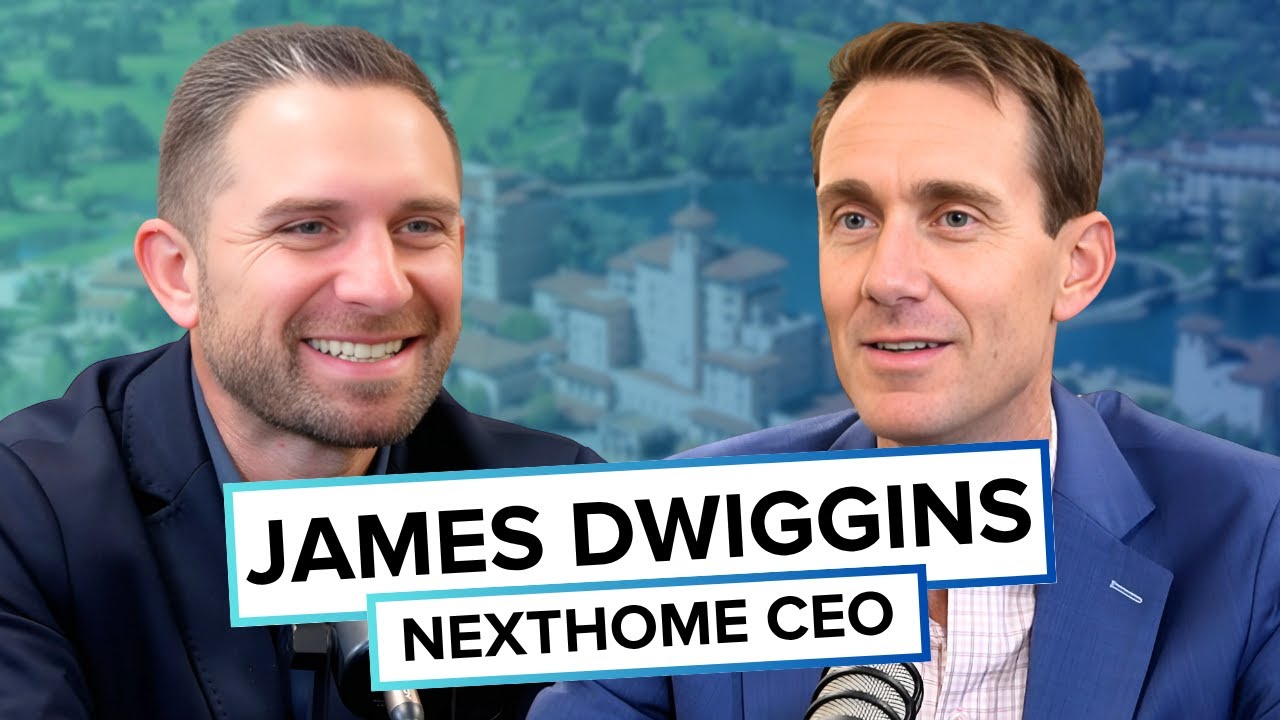
Read on for the highlights of a conversation the whole industry should be having right now. Then make some time for an interview you’ll want to keep coming back to.
“I Don’t Need NAR to Do Education”
In the final third of the interview, Byron asked James where he stood on NAR’s multi-pronged identity as an advocacy group, training organization, branding arm, and marketing machine.
One thing they agree on: NAR is really only good at one of those.
“I think NAR needs to lean hard into advocacy. And I think every Realtor who bi*ches about the fees they pay to NAR for advocacy—get out. Leave the industry.
“Because that stuff that Shannon McGahn and her team does—and this isn’t even a political statement—it doesn’t matter whether you’ve got Republicans or Democrats in power. They’re all bought off. They’re all being basically lobbied to make decisions.”
He continued with a reference to President Trump’s “Big Beautiful Bill”:
“Look at the bill that the administration is trying to pass. There are real wins in there for residential real estate that Shannon and 65 people on her team at federal and state levels are advocating for, and they do it exceptionally well. So I’m like, you can triple my fees for that.”
Yet, based on CEO Nykia Wright’s words on the stage, NAR leadership intends to maintain a wider scope for the organization, including a strong emphasis on education and training.
Dwiggins didn’t hedge:
“I don’t need NAR to do education. With respect, they don’t do it as well as local brokerages will. I mean, look, even local associations, no one’s paying attention to it.
“And the fact is, and I hate to say this disrespectfully, but associations did the most horrific job possible educating the entire industry, and still today, nobody’s even following the terms of the settlement.
“So, I have no faith that local, state, and national associations will do it right. And being a company that’s in all 50 states, I have a very unique perspective. They all handle things differently. Half these are doing things that are completely 100% against the settlement still today, which I have massive issues with.
“And unless NAR wants to actually get everybody in line, which I don’t think they’re going to do; they’re derisking right now—I think that’s a strategic mistake.”
Dwiggins also mentioned the decline in NAR’s membership numbers, which he doesn’t see improving until the association narrows its focus to what it does well and what Realtors actually expect from it.
“They’ve got a shrinking membership, which is now public. They’re recognizing that’s coming down. I personally don’t think NAR is even being realistic on what the membership drop will look like over the next 5 to 10 years… I don’t see more than half a million Realtors left in 10 years.”
He pointed to the success of Zillow’s consumer marketing compared to NAR’s efforts and emphasized that public-facing campaigns about “the Realtor brand” simply don’t resonate.
What would? An organization that represents and champions the people who actually vote, buy, sell, and pay taxes.
New Name. Bigger Mission.
Dwiggins didn’t stop at critique. He offered a full rebrand concept for NAR:
“I think there’s such a significant opportunity for NAR to pivot right now… NAR should move from being the National Association of Realtors…to the National Association of Homeowners.”
Why? Because instead of trying to rally 1.2 million agents, NAR could rally 75 million U.S. homeowners around issues that matter to everyone:
- Protecting property rights
- Advocating for homeownership at all levels of government
- Fighting for affordability, fair taxes, and equitable access to housing
“Let’s get 75 million members in there, and you’ll be the biggest lobby in Washington, DC. You could control everything—local, state, and national.
“So, while you’ve got a shrinking membership of Realtors®… you could be moving into a whole new era of what this industry could be… just moving into being what we actually do exceptionally well, which is advocacy.”
He compared it to the influence once held by the NRA—not in policy, but in scale. And he argued that this broader base would give the organization more political weight than ever before.
“Nobody’s going to talk crap about the National Association of Homeowners. Do you think The New York Times is going to win? They’d get drowned out.”
An Identity Homeowners Actually Care About
The vision isn’t just about political capital. It’s about relevance.
According to Dwiggins, shifting to a homeowner-first mission could finally give the association a clear public identity with lasting impact.
“Let’s go hard in the paint on becoming an advocacy arm for homeownership, brought to you by the industry that actually helps you achieve homeownership. And we could become the most powerful organization in the United States. No politician would ever screw with anybody in that organization.”
Byron agreed:
“That is the most well-articulated vision of what a new NAR could look like that I’ve heard, so thank you for that.”
Why the Current Structure Can’t Survive
So what’s standing in the way? According to Dwiggins, NAR’s biggest liability isn’t the lawsuits. It’s the governance.
“You can’t build an organization when you have everybody in a box…you have to get really intelligent people from other sectors looking at how you do this.”
He argued that NAR’s volunteer-heavy board and committee structure, filled with local appointees, elected reps, and friends of the president, is holding the organization back from making the bold moves it needs to survive.
“Look at the board of directors in any major company in America. You’ve got Rich Barton from Zillow sitting on the board for Netflix. Look at our board of directors. We have nobody from major corporations sitting on it.”
In short, NAR is not built to pivot. And that could be fatal.
To be clear, Dwiggins is a fan of NAR and, despite their disagreements with many of the decisions coming from the top, both he and Byron respect CEO Nykia Wright, who spoke at the HousingWire Gathering event.
All the more reason to call out a governance structure that limits Wright’s ability to make changes that would actually benefit the very people NAR was created to serve.
“NAR’s governance structure is going to be the downfall of that organization. They have got to change it.”
What the New Vision Could Unlock
According to Dwiggins, pivoting to the National Association of Homeowners wouldn’t just mean broader appeal. It would mean:
- More influence in Washington: Advocating for 75 million homeowners is more powerful than lobbying on behalf of 1 million agents.
- Public trust: Homeowners would see the association as a voice for them, not just for an industry.
- Relevance for future generations: Framing the mission around protecting generational wealth and affordable homeownership could build long-term public support.
“This is all about children and the asset class and generational wealth and how that builds wealth in this country… people will line up to make sure that that asset class is protected.”
Soak up the full interview
There’s plenty more to unpack from the conversation, including Dwiggins’ take on MLS strategy, commission transparency, and what agents should be doing right now to prepare for the new era of real estate.
Watch the full interview on the BAM YouTube channel. And stay tuned for more BAM interviews from the HousingWire Gathering event.