
BAM Key Details:
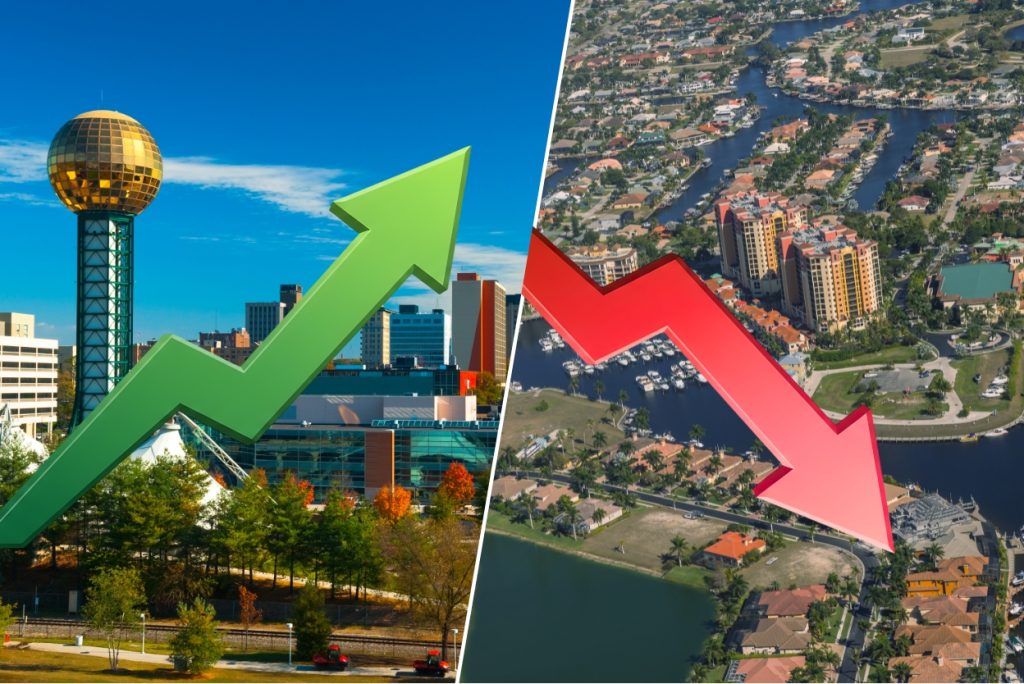
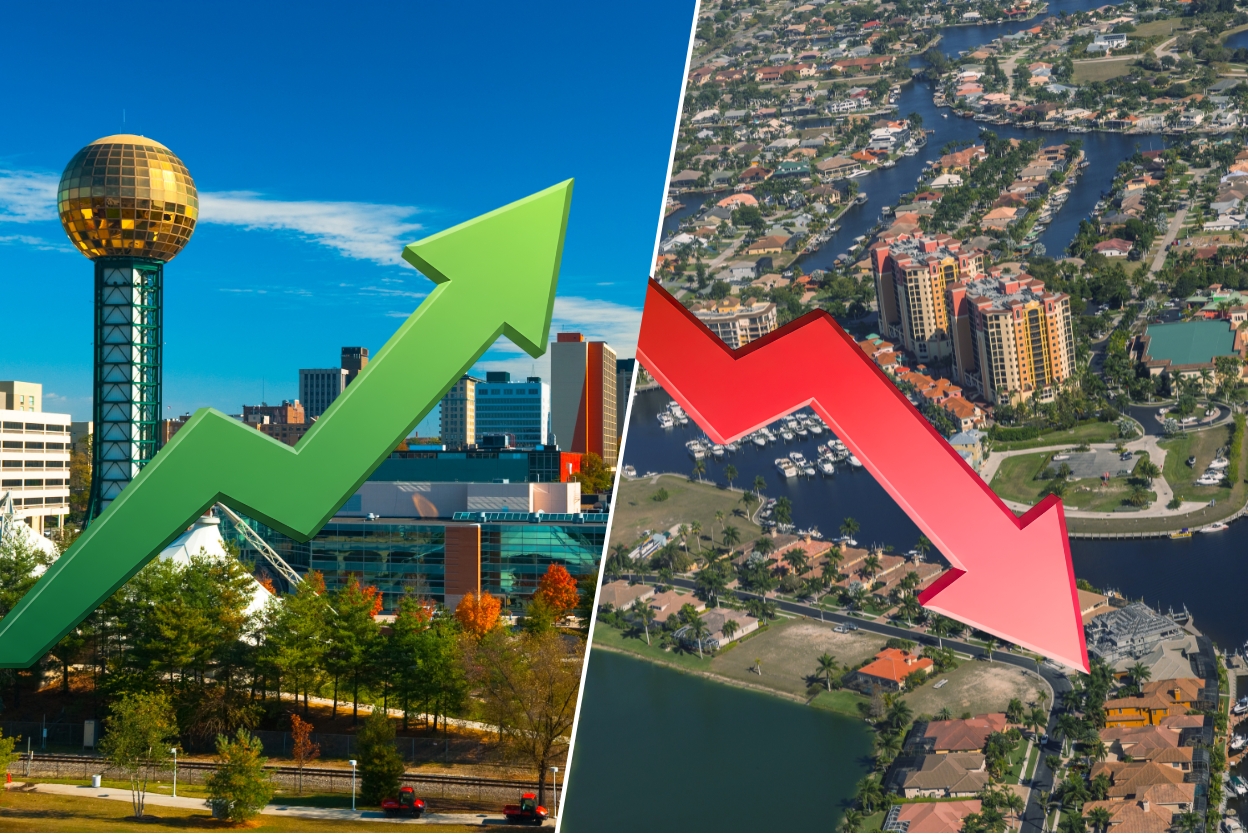
- Realtor.com identifies the 10 metros where home values have surged up to nearly 86% since 2019 and the 10 metros where home price growth is projected to decline as much as 10.2% in 2026.
- Nearly 25% of major metros are expected to post negative price growth next year even as national home prices rise 2.2% year over year.
- Sellers in high-growth metros still hold strong equity while buyers in cooling markets regain bargaining power.
The U.S. housing market is splitting into two very different realities.
In some cities, home values have skyrocketed since 2019. In others, price growth is projected to slow significantly in 2026.
New Realtor.com data shows where homeowners have built massive equity gains over the last six years and where buyers may find more breathing room in the year ahead.
Realtor.com’s latest analysis of the top 100 metros reveals double-digit growth in every city on the “biggest home value gains” list. At the same time, the 2026 National Housing Forecast shows nearly a quarter of major metros are expected to post negative price growth next year.
Understanding both sides of this national price divide is critical as the market shifts toward balance.
Biggest Boomtowns Since 2019
Price appreciation took off during the pandemic in metros offering affordability, job opportunities, lifestyle appeal, and limited new construction. Values cooled in 2025 as rates rose, but equity gains remain substantial.
Realtor.com senior economist Joel Berner says supply constraints have played a major role.
“When there is a high volume of home sales, we expect values to increase, especially when there is not a corresponding increase to new construction activity that can match supply to demand.”
Berner also highlights the mix of local conditions supporting growth.
“The metros at the top of the list are a bit of a mix when it comes to new-construction activity. Some of them are seeing values grow even as new-construction activity has been high. This is a great sign for the overall growth of the metro area, that people are willing to move there and buy homes at a pace that keeps values moving up.”
And when demand outruns supply entirely, Berner sums up the predictable result:
“There aren’t many homes for sale or new homes being built, but demand for homes remains strong and those prices get bid up.”
Here are the 10 metros with the biggest increases in home values from 2019 to 2025.
- Knoxville, TN (up 85.9% from October 2019)
- Fayetteville, AR (+84.5%)
- Charleston, SC (+81.3%)
- Scranton, PA (+78.4%)
- Syracuse, NY (+77.6%)
- Portland, ME (+75.7%)
- Rochester, NY (+75.2%)
- New Haven, CT (+73.8%)
- Charlotte, NC (+73.1%)
- Chattanooga, TN (+72.9%)
Knoxville and Fayetteville have grown from strong regional draws into nationally recognized destinations. But today’s buyers are feeling the flip side of sharp equity gains.
In Knoxville, annual appreciation has slowed from a pandemic peak of 28% to 3%. Millennial and Gen Z buyers especially feel the affordability squeeze.
Berner notes that some metros ranked toward the bottom of the top 100 gained value simply because supply stayed tight.
“These are parts of the country that people are generally leaving due to affordability issues, or a lack of economic prospects.”
Where Price Growth Is Cooling Fastest
Realtor.com’s 2026 forecast projects national home prices will rise 2.2% year over year. Although pricing remains elevated in many metros, affordability challenges, insurance costs, and a surge in inventory are expected to slow growth in several previously hot markets.
Realtor.com senior economic research analyst Hannah Jones explains the current shift:
“These metros have already seen prices slip from their pandemic-era highs, and that downward momentum is likely to persist as elevated home prices, rising insurance premiums, and other carrying costs continue to weigh on demand.”
Jones also sees a significant change in leverage.
“For buyers, these cooling markets offer more leverage: greater negotiating power, more inventory to choose from, and more sellers willing to offer concessions. For sellers, realistic pricing is essential. Listing too high risks prolonged time on market and deeper price cuts later, especially in metros where conditions continue to soften.”
These 10 metros are expected to see the sharpest declines in growth next year.
- Cape Coral, FL (down 10.2% year over year)
- North Port, FL (-8.9%)
- Stockton, CA (-4.1%)
- Raleigh, NC (-3.7%)
- Deltona, FL (-3.6%)
- Tampa, FL (-3.6%)
- Spokane, WA (-3.5%)
- Denver, CO (-3.4%)
- Sacramento, CA (-3.3%)
- San Francisco, CA (-2.5%)
Florida leads the cooldown list with four metros. National migration and investment during the pandemic drove home price gains as high as 65% to 70% in places like Cape Coral. Insurance spikes, HOA fee increases, and climate risk now drive many buyers to reconsider.
More listings are arriving, more deals are being negotiated, and some owners are adjusting expectations.
Meanwhile, Western metros like Stockton and Denver are correcting after years of stretched affordability. Expanded multifamily development is reshaping median prices and renter behavior in ways that cool short-term appreciation.
What This Means Going Into 2026
You’re working in a pricing environment defined by extremes.
If you’re active in a market like Knoxville or Syracuse, sellers still have strong equity positions. But they may need coaching on realistic pricing as rapid appreciation is no longer guaranteed.
If you’re focused on a market like Cape Coral or Stockton, buyers have more negotiating power than at any point in the last several years. Inventory has expanded, carrying costs have shifted the math, and concessions are becoming more common.
The biggest opportunity right now lies in identifying what your clients care about most. Some will chase markets with momentum and long-term growth. Others will prioritize affordability and leverage. Both outlooks are valid and increasingly location-specific.
The price divide is real. Heading into 2026, boomtowns still favor sellers with deep equity gains, while cooling metros are becoming a buyer’s best chance at leverage.