
BAM Key Details:
- Redfin’s analysis identifies the 10 most affordable U.S. cities, starting with Bellefontaine Neighbors at a 16% payment to income ratio.
- The national typical homeowner spends 39% of income on housing, whereas the highest payment-to-income ratio for cities among the top 10 is 20%.
- Every top 50 city in the report has a median sale price near or below $300,000, highlighting where buyers hold the strongest affordability advantages going into 2026.
Housing affordability has been hammered all year, but a new Redfin analysis offers something many consumers are looking for in today’s market: clarity on where the numbers actually work.
Using weighted averages from January through November 2025, Redfin ranked nearly every U.S. city by its payment-to-income ratio and identified the places where typical households can buy a home without devoting most of their paycheck to the mortgage.
It’s a sharp contrast to the national reality, where the typical homeowner now spends 39% of their income on housing, far above the recommended 30% benchmark.
Asad Khan, a senior economist at Redfin, frames the problem clearly.
“Affordability is top of mind for many people today, as rising costs have left younger generations feeling like homeownership is just a pipe dream.
“But believe it or not, there are still plenty of areas, mostly in the Rust Belt and the South, where buying a home is financially comfortable.”
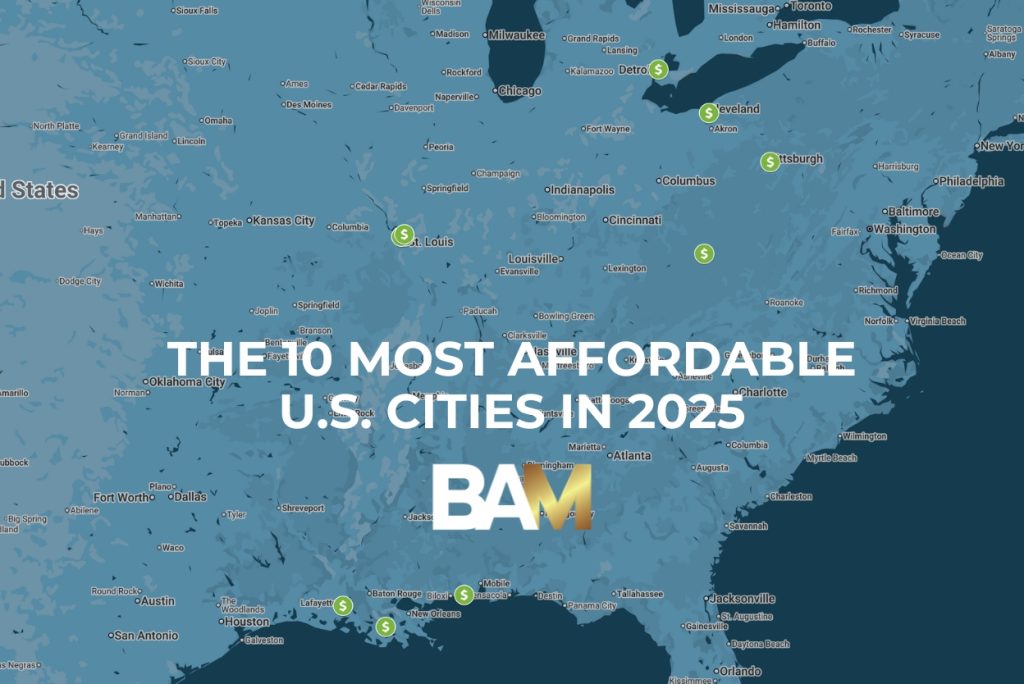
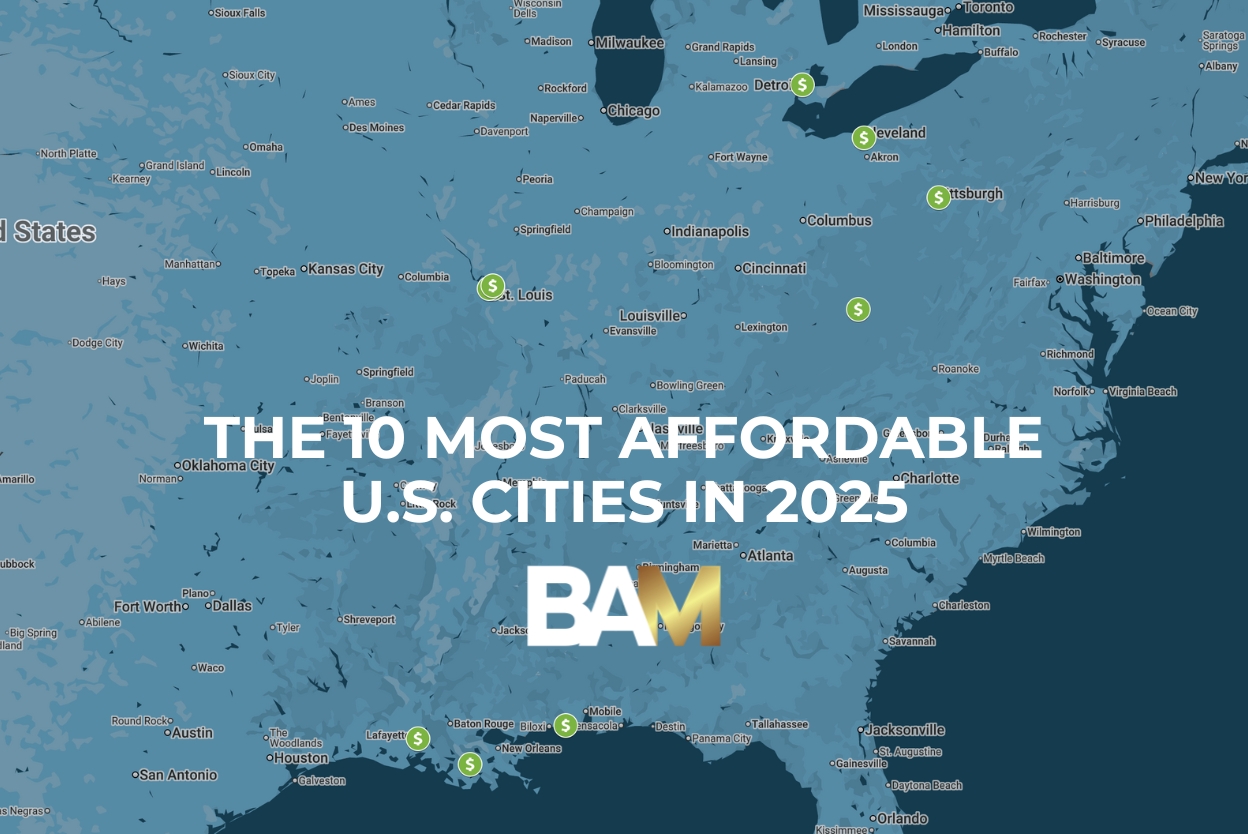
Below are the 10 most affordable cities in the country, followed by a closer look at the numbers behind each ranking.
The Most Affordable Cities in the U.S.
These are the top 10 cities with the lowest payment-to-income ratios, according to Redfin’s 2025 analysis.
- Bellefontaine Neighbors, MO (16%)
- Ferguson, MO (17.9%)
- Detroit, MI (17.9%)
- Broussard, LA (18.4%)
- Bayou Cane, LA (18.6%)
- West Mifflin, PA (19.1%)
- Moss Point, MS (19.1%)
- Dunbar, WV (19.6%)
- Garfield Heights, OH (19.8%)
- Spanish Lake, MO (20%)
City-by-City Breakdown
Bellefontaine Neighbors, MO
Bellefontaine Neighbors earns the top spot with a 16% payment-to-income ratio, the lowest in the country. A typical household brings in $48,354 and can buy a home for a median sale price of $101,106, which keeps the median monthly mortgage payment at $645.
The affordability is real, but it exists alongside a 22.4% poverty rate that reflects long-standing economic challenges in North St. Louis.
Ferguson, MO
Ferguson comes in close behind with a 17.9% payment-to-income ratio. Households earning a median of $46,106 face a median sale price of $107,507 and a median monthly payment of $686. Its 24.9% poverty rate shows how affordability and economic strain often move in parallel throughout the area.
Detroit, MI
Detroit ties for second place with a 17.9% payment-to-income ratio. Median household income sits at $39,575, while the median sale price is $92,304. A typical mortgage payment lands at $589, one of the lowest in the country. The city’s 31.5% poverty rate underscores how older housing stock and decades of disinvestment continue to shape the affordability story.
Broussard, LA
Broussard offers a different version of affordability with an 18.4% payment-to-income ratio fueled by a much higher median household income of $116,613. Homes sell for a median of $280,407, and the median monthly payment is $1,790. With a 16.5% poverty rate, it stands out as one of the more economically stable cities on the list.
Bayou Cane, LA
Bayou Cane also cracks the top five with an 18.6% payment-to-income ratio. Its median household income is $73,235, paired with a median sale price of $177,786 and a median monthly mortgage payment of $1,135. The 18.7% poverty rate highlights the mixed economic dynamics behind its affordability.
West Mifflin, PA
West Mifflin reaches 19.1% on the payment to income scale, supported by a median household income of $70,335. Homes typically sell for $174,981, leading to a median mortgage payment of $1,117. The city’s 11.9% poverty rate is one of the lowest in the top 10.
Moss Point, MS
Moss Point also lands at 19.1%, though with very different numbers behind it. Median household income is $46,684, the median sale price is $116,393, and the median mortgage payment is $743. A 17.9% poverty rate rounds out the picture of a market where affordability is real but unevenly felt.
Dunbar, WV
Dunbar enters the ranking with a 19.6% payment-to-income ratio. Median household income is $54,647, paired with a median sale price of $139,887 and a typical monthly payment of $893. Its 18.3% poverty rate reflects the broader economic challenges facing many Appalachian housing markets.
Garfield Heights, OH
Garfield Heights posts a 19.8% payment-to-income ratio, driven by a median household income of $52,006 and a median sale price of $134,573. That keeps the median mortgage payment at $859. A 21.4% poverty rate highlights the tension between low housing costs and limited economic opportunity.
Spanish Lake, MO
Spanish Lake rounds out the list at a clean 20% payment-to-income ratio. Median household income is $51,125, and the median sale price is $133,300, which translates to a median monthly mortgage payment of $851. Its 17.3% poverty rate fits the broader pattern of affordability shaped by long-term economic disinvestment in North St. Louis.
Why These Markets Stand Out
The Midwest and South dominate the affordability map. Many of these cities are located in the Rust Belt or in regions with older housing stock, which helps keep median sale prices low.
Redfin notes that every city in the top 50 has a median sale price near or below $300,000. Several of these markets also have poverty rates far above the national average, which shows the nuance behind a low payment burden.
Affordability on paper doesn’t always reflect the lived experience of residents in communities shaped by long-term disinvestment and limited job access.
What Redfin Predicts for 2026
Redfin expects affordability to gradually improve in 2026 as wage growth outpaces housing costs for the first time since the Great Recession.
Khan sums up the outlook for the coming year:
“Rising wages and declining costs may bring some life back to the market in 2026, but until homebuilding catches up to years of unmet demand, affordability will remain a challenge. The best way to make homebuying affordable—especially for younger generations—is to make homebuilding easier and provide financial and social support to populations in need.”
If you work in a market that shows up on this list or shares the same economic patterns, use this data to guide conversations about pricing, expectations, and strategy in early 2026. Buyers want clarity, and this report gives you a clear way to help them understand where affordability is strongest and why, as well as what they can expect in terms of resale value.