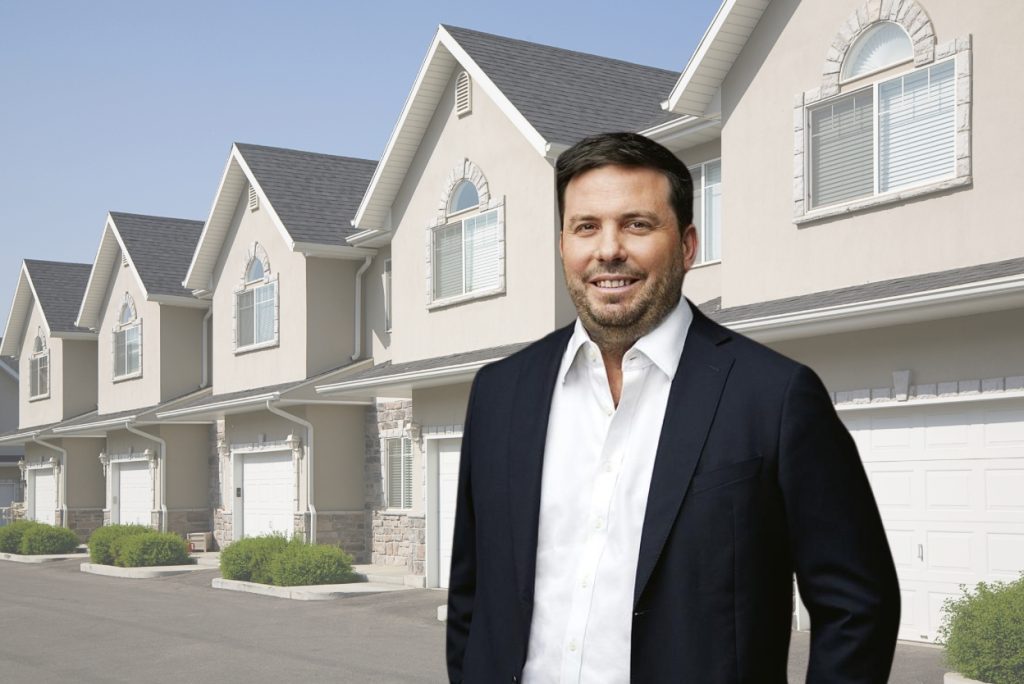


Home prices are up 66% from a decade ago. The supply of homes for sale is still 12% below pre-pandemic levels.
And the age of the first-time buyer has climbed to 40, a decade older than it used to be.
Those numbers alone explain why homeownership feels further out of reach for millions. They also explain why Realtor.com CEO Damian Eales is pushing the industry to shift its focus as we head into 2026.
In a new year-end letter titled “From Conflict to Concrete,” Eales calls out a growing disconnect. While the supply crisis has reached historic levels, the industry has spent valuable time debating internal policies like Clear Cooperation and the rise of private listings.
Eales argues this back-and-forth has drawn valuable attention away from a problem that affects every market: there simply are not enough homes.
He also points out something many overlook. The biggest barriers to new housing aren’t in Washington. They sit in zoning meetings, city councils, and state legislatures. That’s where decisions are made about what gets built and what never makes it to the permit stage.
Read on for a breakdown of the biggest takeaways from Eales’ message.
Where Eales Says Our Energy Should Go in the Year Ahead
Eales frames the housing shortage as the defining challenge of 2026. Here’s what you need to know.
The numbers paint the clearest picture
These are the data points Eales uses to show how far behind supply has fallen.
- The U.S. is short 4 million homes.
- Active inventory is still about 12% below pre-pandemic levels.
- Home prices have climbed 66% in ten years.
- The age of the first-time buyer has increased to 40.
These figures point to a market where ownership is harder to access, especially for younger buyers trying to build wealth.
The industry has been focused on the wrong battles
Eales argues that debates over Clear Cooperation, private listings, and other internal issues have pulled attention away from the core problem. The supply shortage affects affordability, market stability, and long-term access to homeownership.
None of that improves if the industry is divided over policy arguments that don’t add a single home to the pipeline.
Demand-side fixes are not real solutions
According to Eales, political promises like tax credits and buyer subsidies may look helpful, but they only raise demand without increasing supply. When more buyers chase the same limited number of listings, prices go up.
His message is simple: supply is the solution.
Realtor.com plans to spotlight stalled progress in 2026
Eales says the company will continue publishing data-driven scorecards that identify where housing progress is lagging.
He also plans to bring this message to SXSW to highlight how homeownership drives generational wealth and why losing an entire generation of first-time buyers is a long-term economic risk.
Local governments hold the actual power
Eales stresses that the biggest bottlenecks are local, not federal. Zoning restrictions and land-use rules decide whether new homes can be built. He wants the industry to pay closer attention to these local systems, because that is where public pressure can move the needle.
This is why even well-meant initiatives at the federal level are ultimately more performative than effective. The folks with the power to implement real solutions don’t operate from D.C..
A challenge to step into local leadership
Eales calls on all real estate professionals to lobby for modernized zoning, support missing-middle housing, and push back on NIMBY opposition.
His message is forward-looking. If the industry redirected even a fraction of its energy toward local advocacy, more homes would get built and more people could access the stability of homeownership.
A Closing Thought Heading Into 2026
Eales ends his letter with a challenge: Let America Build.
After a decade of rising prices, limited inventory, and a shrinking path to homeownership, the direction could not be clearer. The next year will test how committed the industry is to using its influence where it matters most.
If the focus shifts from internal friction to local action, more families will have a real chance to own a home. And that is the outcome that changes everything.
Read the full message here.
If you watched the December 12 episode of the Knowledge Brokers Podcast with Realtor.com’s chief economist Danielle Hale, it unpacks the data behind Eales’ year-end message.
Haven’t watched that episode yet? Enjoy it here.