
Key Details:
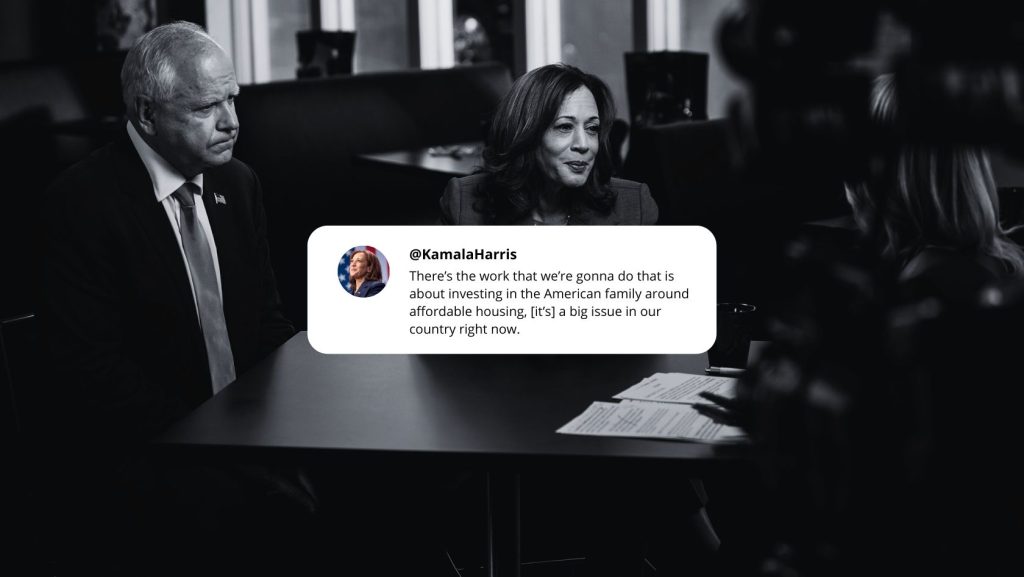
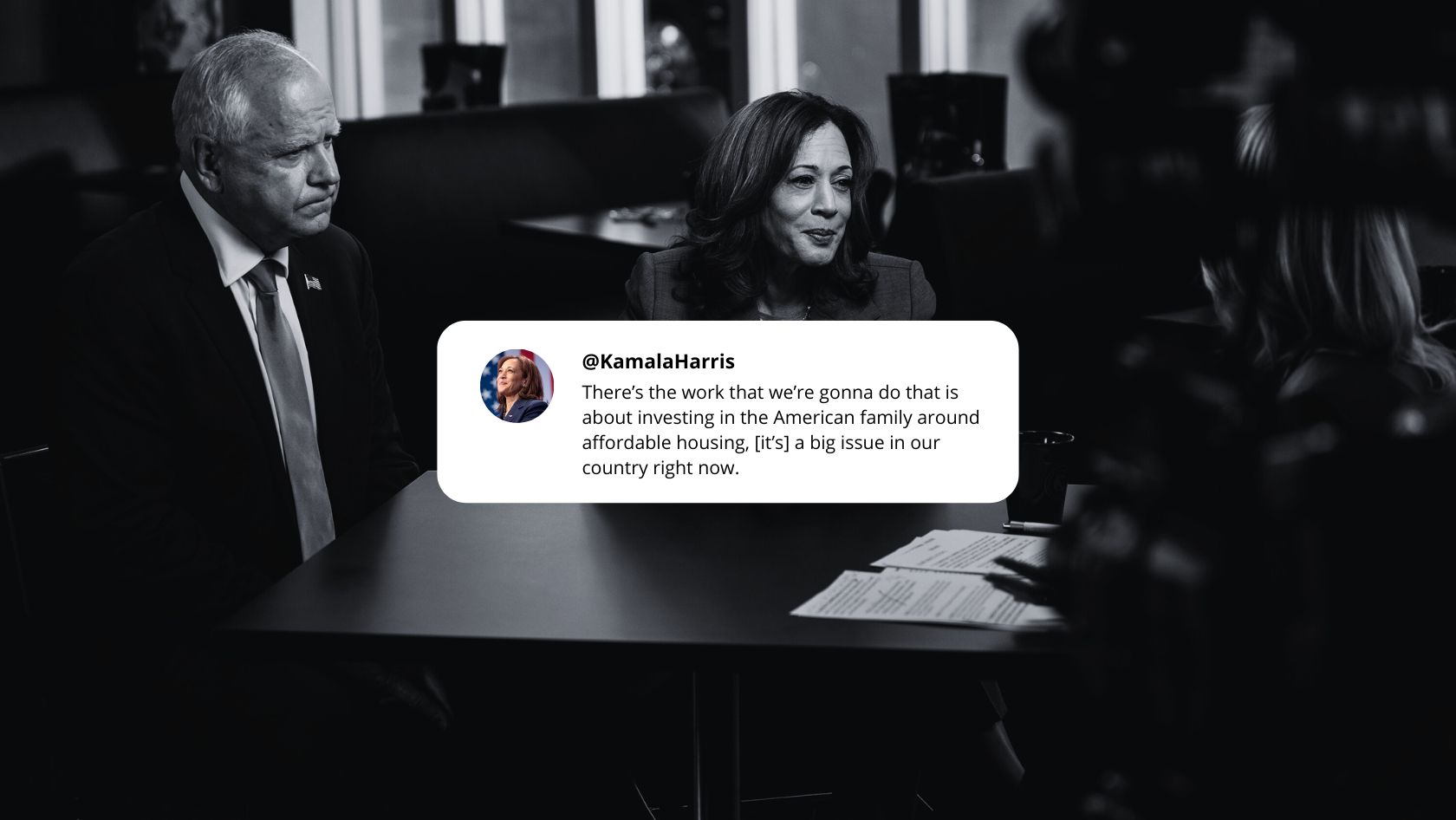
- Last week, Vice President Kamala Harris and Minnesota Governor Tim Walz sat down with CNN for their first major televised interview since being named the Democratic nominees for President and Vice President of the United States.
- Asked about her top priorities if elected as president, Harris highlighted the extension of the child tax credit, linking it closely with housing initiatives.
- Most, if not all, of Harris’ proposals would need congressional approval, which could be a major challenge given the current divisions on Capitol Hill. Additionally, her plans come with substantial costs, and she has not yet outlined how she intends to fund them.
Last week, during their first joint interview since becoming the Democratic nominees for president and vice president of the United States, Vice President Kamala Harris and Minnesota Governor Tim Walz spoke with CNN about plans for their first day in office.
In August, Harris unveiled her multi-pronged four-year plan to address the housing affordability crisis. One of those prongs would provide financial assistance to first-time and first-generation homebuyers:
- Up to $25,000 in down payment assistance
- A $10,000 tax credit for first-time homebuyers
Another prong is aimed at increasing the supply of affordable housing, in part by providing a first-ever tax incentive for home builders who build starter homes sold to first-time buyers.
There’s the work that we’re gonna do that is about investing in the American family around affordable housing, [it’s] a big issue in our country right now.
According to the Committee for a Responsible Federal Budget, Harris’s housing initiatives would cost $200 billion over a decade, assuming those provisions would be in effect for four years.
While Harris touched on multiple initiatives to reduce living costs for American families, we’re focusing on those related to housing. Read on for the highlights.
Harris’s plans to invest in families and affordable housing
Harris had plenty to say when asked what she thought about the idea that former president Donald Trump managed the economy well during his term, particularly in regards to the lower cost of housing during his presidency.
That said, she did not dismiss the economic discontent expressed by voters.
[Y]ou are right. Prices in particular for groceries are still too high. The American people know it. I know it. Which is why my agenda includes what we need to do to bring down the price of groceries. For example, dealing with an issue like price gouging.
In August, Harris called for a federal ban on price gouging to bring down grocery prices.
Granted, more than three dozen states already have laws prohibiting price gouging during special circumstances (including disasters, emergencies, or market disruptions). And as of yet, Harris’s campaign has released few details to clarify how the scope of her proposal compares to current state-wide policies.
It should also be noted that the degree to which price gouging contributed to the nationwide spike in inflation over the past few years is still up for debate.
Harris steered the conversation back to the child tax credit and housing policies, including new information about her plan to improve housing affordability.
[W]e need to […] bring down the cost of housing. My proposal includes what would be a tax credit of $25,000 for first-time home buyers so they can just have enough to put a down payment on a home, which is part of the American dream and their aspiration, but do it in a way that allows them to actually get on the path to achieving that goal and that dream.
It’s fair to ask whether Harris’s policy might overemphasize lowering the bar to homeownership at a time when housing inventory is still below pre-pandemic levels. A significant increase in buyer demand could drive up home prices if strategies to increase housing supply do not yield their intended result in time.
In his commentary about presidential housing proposals, David Dworkin, CEO of the National Housing Conference (NHC), addressed that concern:
As long as the program is targeted and well distributed, it is unlikely to inflate housing prices. First time homebuyers make up only one-third of the market today, and that figure will decrease significantly as interest rates fall. Targeted down payment assistance, therefore, is not likely to have an inflationary impact on housing prices, especially if it is limited to first-generation homebuyers who earn less than 140 percent of the area median income.
Harris’s plan also includes tax incentives for home builders—one for those who build starter homes sold to first-time buyers and another for those who build affordable rental housing—as well as $40 billion in funding for “innovative housing construction.”
She also plans to ban algorithm-based price-setting tools for landlords, which would effectively seal the fate of RealPage and its YieldStar algorithm. Investors who buy large numbers of single-family homes would also lose their tax benefits under Harris’s plan.
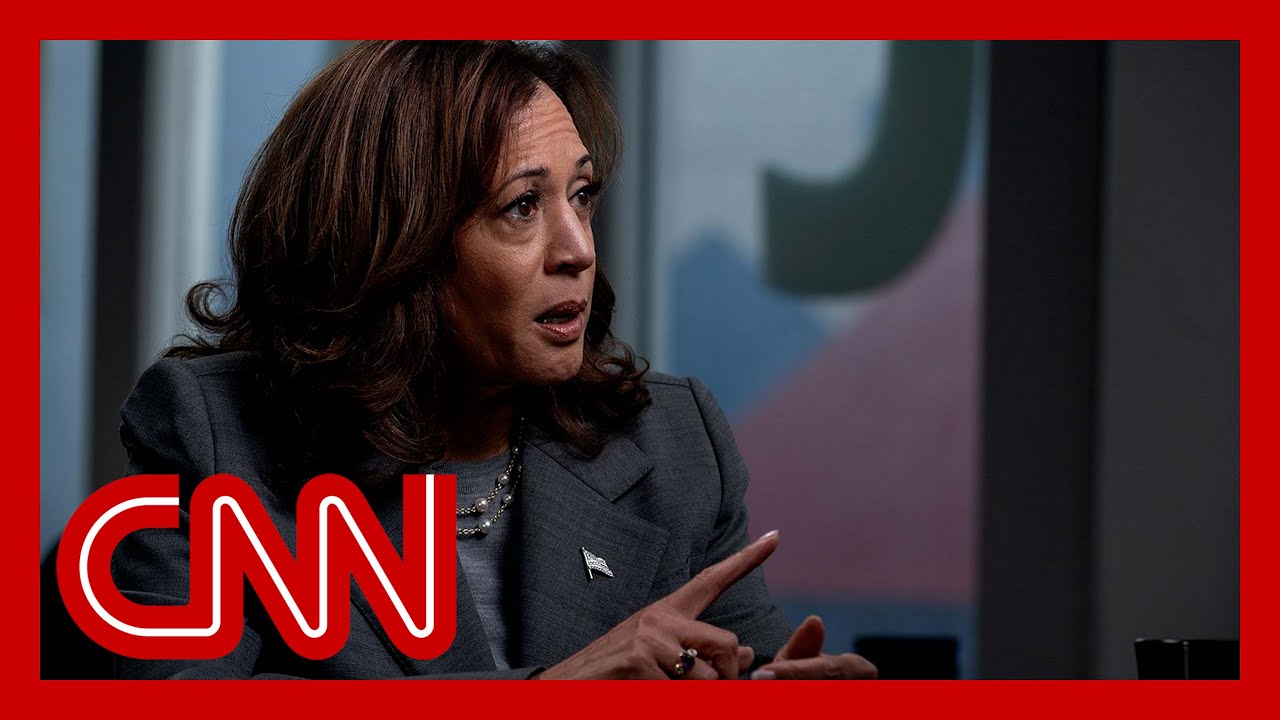
Tune in below for the full CNN interview:
Where things get fuzzy
However genuine might be the drive to improve affordability for American families—as much for housing as for the cost of groceries and health care—the issue that is never clear with politicians actively campaigning for office is where the funding will come from.
It also needs to be said that most, if not all, of Harris’s policies depend on Congressional approval. Every measure must pass both houses before they reach the president’s desk.
Given how divided Capitol Hill currently is (and is likely to remain), speedy passage is unlikely. And that’s just one of the reasons Americans have learned to be skeptical of any promises made on the campaign trail.