
I’ve been in the trenches of our local hospital’s physical recruitment department for over 15 years now.
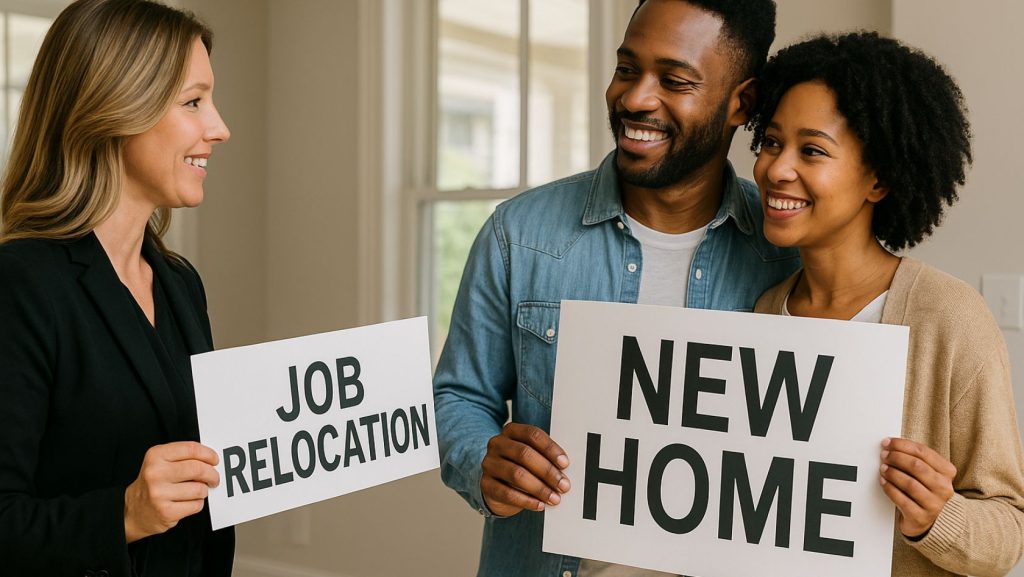
I’ve helped hundreds upon hundreds of families relocate to our little slice of heaven, and I’ll tell you this: companies struggle with that crucial “last mile” of recruitment.
They’ve sold the job opportunity brilliantly. But when candidates ask, “What’s it like to actually live there?“ that’s where Human Resources (HR) teams hit a roadblock.
And this is exactly where we shine. As real estate professionals, selling our city is what we do every single day. We know every neighborhood, coffee shop, and hidden gem. We understand the community inside and out—it’s our bread and butter. Companies need us as the trusted local expert who can turn their city into a competitive advantage.
Over the years, I’ve built a fully developed Corporate Partnership & Relocation Integration Program that bridges this gap and creates wins for everyone involved.
The Hard Truth About Relocation and Retention
Relocation is consistently ranked as one of the top three most stressful life events, alongside death and public speaking. The impact on companies when families aren’t properly supported is substantial.
Here’s the staggering reality: According to McKinsey research, disengaged employees cost median-sized S&P companies between $228 million and $355 million a year in lost productivity. That’s billions disappearing when you multiply it across all the companies in our city.
We push on that bruise when we present this program to companies. An unproductive employee costs them thousands, and we have a solution that works for everyone: the company, the recruit, and their family. When new recruits aren’t properly integrated, their families aren’t happy, and one unhappy spouse or disconnected kid can derail months of recruiting work.
Our Corporate Partnership Program That Makes HR Heroes
I created our Corporate Partnership Program specifically to take work off HR’s plate. As entrepreneurs, our job is to solve problems, and that’s exactly what this program does for recruiters and HR teams.
Our program gives companies a structured, repeatable process for relocating talent that includes everything from pre-arrival discovery to lifetime support. HR departments aren’t equipped to sell neighborhoods or community resources, but that’s exactly what candidates need during the decision-making process.
The structured process we use for transferees includes:
Pre-Arrival Discovery Calls
Before a tour is booked, we hop on the phone with the candidate and their family. We dig into:
- Who’s coming on the tour
- Ages of kids (so I know if I need car seats, our Home Sweet Fun Activity books, etc)
- What the spouse will do while interviews happen
- Their current home situation and what they want in the next one
- Family hobbies, sports the kids play, what matters most to them
Pro Tip: Have a welcome voicemail waiting for them in their hotel room! For high-profile job candidates, I’ll also have a small gift delivered: maybe pool toys, science center tickets, or zoo passes for the kids. These little touches make a HUGE impression on families considering a major move.
I’m also figuring out who the real decision-maker is in the family. It’s important to determine who your point person is (who’s calling the shots), so you can understand their wants, needs, and desires in this giant decision to help in the transition process.
Our Relocation Home-Buying Framework (It’s NOTHING Like Local Buying)
I tell all my relocating families straight up: “I need 72 hours with you. Bring comfy slip-on/slip-off shoes. Tell me what caffeine keeps you going and what snacks you like, because I’m stocking my car with them.“
Why? Because I’ve found people make terrible decisions when their blood sugar drops, and suddenly we’re back at square one, or they’re falling in love with a house that has none of the features they actually need.
Day 1 is intense. We typically see at least 15 homes. That might sound crazy, but it works. Seeing what they DON’T like gets us closer to what they DO like. I start our grading process by house #3 because that’s when perspective kicks in.
We grade everything:
- A = Strong contender
- B = Maybe
- C = Immediately off the list
Here’s the key: C-graded homes get wiped completely from our consideration. B-graded homes rarely make it to Day 2. At the end of Day 1, we review all the A-graded homes, which really helps manage the overwhelm of the process.
Day 2 is for finishing up any homes they haven’t seen and revisiting all the A’s in the afternoon. This structure allows Day 3 to be reserved exclusively for revisiting top contenders.
I always educate them on the 80/10/10 rule right from the beginning: “We will not find a perfect house. You’ll get 80% that you love, 10% you can change, and 10% you’ll need to live with.”
And here’s something huge about these corporate partnership candidates: they’re absolute “have to” buy opportunities I give to my agents. But to earn these leads, my agents MUST have completed my community tours training and follow my framework exactly. These aren’t just any leads, they’re gold-standard opportunities that require the right approach.
Curated Community Tours That Actually Make Sense
My tour takes about 1.5-2 hours. We don’t cover the entire city, because that would be overwhelming and pointless. Instead, we hit the major areas based on what we discovered in our pre-arrival call.
I always cover the Main R’s: Recreation, Retail, Restaurants & Residences. And I come armed with the average price point, bed/bath count, and square footage in every area we visit.
If I learn they’ve got a kiddo in lacrosse and another who loves horses? You better believe I’m adding information on those options to my community tour packet.
We’re Not Just Relocating New Talent – We’re Supporting Existing Staff Too
We’ve bundled up our Lifetime Home Support™ system and turned it into an employee benefit that companies can offer their local staff. This includes:
- Homeownership education
- Online discount center, saving them $5,300/year
- Detailed provider and vendors lists (doctors, dentists, botox, chiro – you name it)
- Access to our VIP party and tool equipment
- Client and community events
Companies get to offer this as a perk, and we get to come in and explain how we’re the local experts connecting buyers and sellers with our all-inclusive Lifetime Home Support model, taking care of all of their homeownership and human journey needs.
Why This Model Works (And Keeps Growing)
Research shows employees who own homes are more productive, loyal, and stable than renters. When the employer makes them feel supported through our services, they stick around longer.
Every family we help, every HR person whose job we make easier, all become part of our referral engine. This isn’t about random lead gen tactics. It’s about serving so well that people can’t help but talk about you.
How You Can Build This In Your Market
Something agents often overlook: the second most common place buyers find out about a home for sale is through real estate agents! Our Corporate Partnership Program becomes a tremendous asset in listing presentations. We have direct access to a massive network of local business owners to get their listing in front of, which is another big source of buyers that sellers absolutely love.
Finding the right companies to partner with is strategic. Here’s my approach:
- Use AI to build your target list with this prompt: “List 15 mid-to-large companies in [YOUR CITY, STATE] with 50 or more employees. Include company name, industry, approximate employee count, and HR/recruiter contact page link.”
- Join your local SHRM (Society for Human Resource Management) chapter and start making connections with HR leaders.
- Focus on industries where recruiting challenges are most common: healthcare, engineering, technology, and manufacturing are all excellent targets.
- Create a system that tracks and nurtures these corporate relationships over time, treating them like the gold mines they truly are.
But most importantly? Serve. Serve. Serve. Then sell.
When you offer a system that genuinely makes life easier for companies and families, you naturally build a business rooted in service, loyalty, and growth. The referrals from companies, HR leaders, and happy families will become your most consistent pillar.
That’s how you build a legacy business – one that rewards you now and for years to come.