
Key Details:
- On September 4, Judge Andrea R. Wood recused herself from three real estate industry lawsuits.
- New judges will be randomly assigned to Moehrl, Batton I, and Batton II cases.
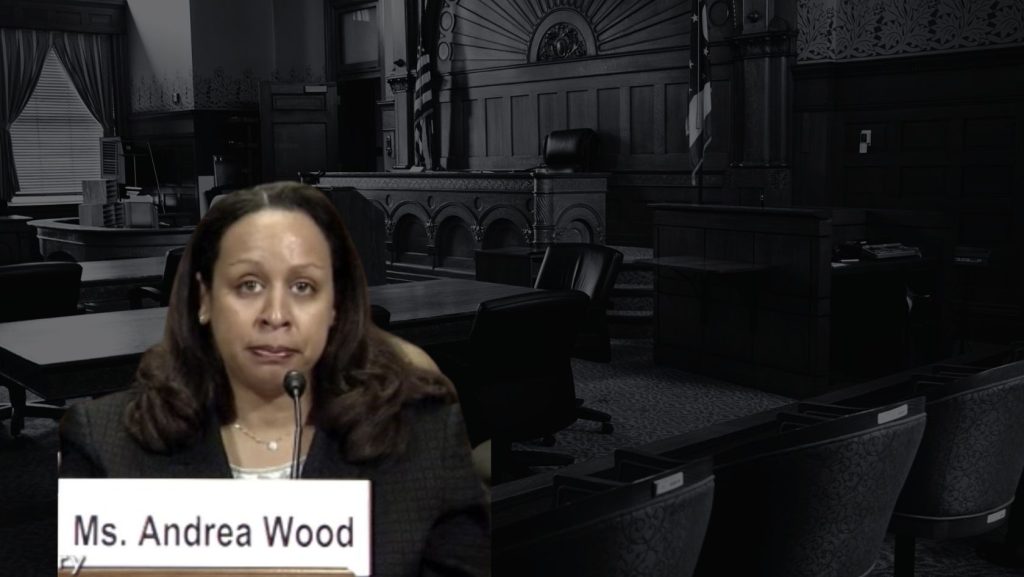
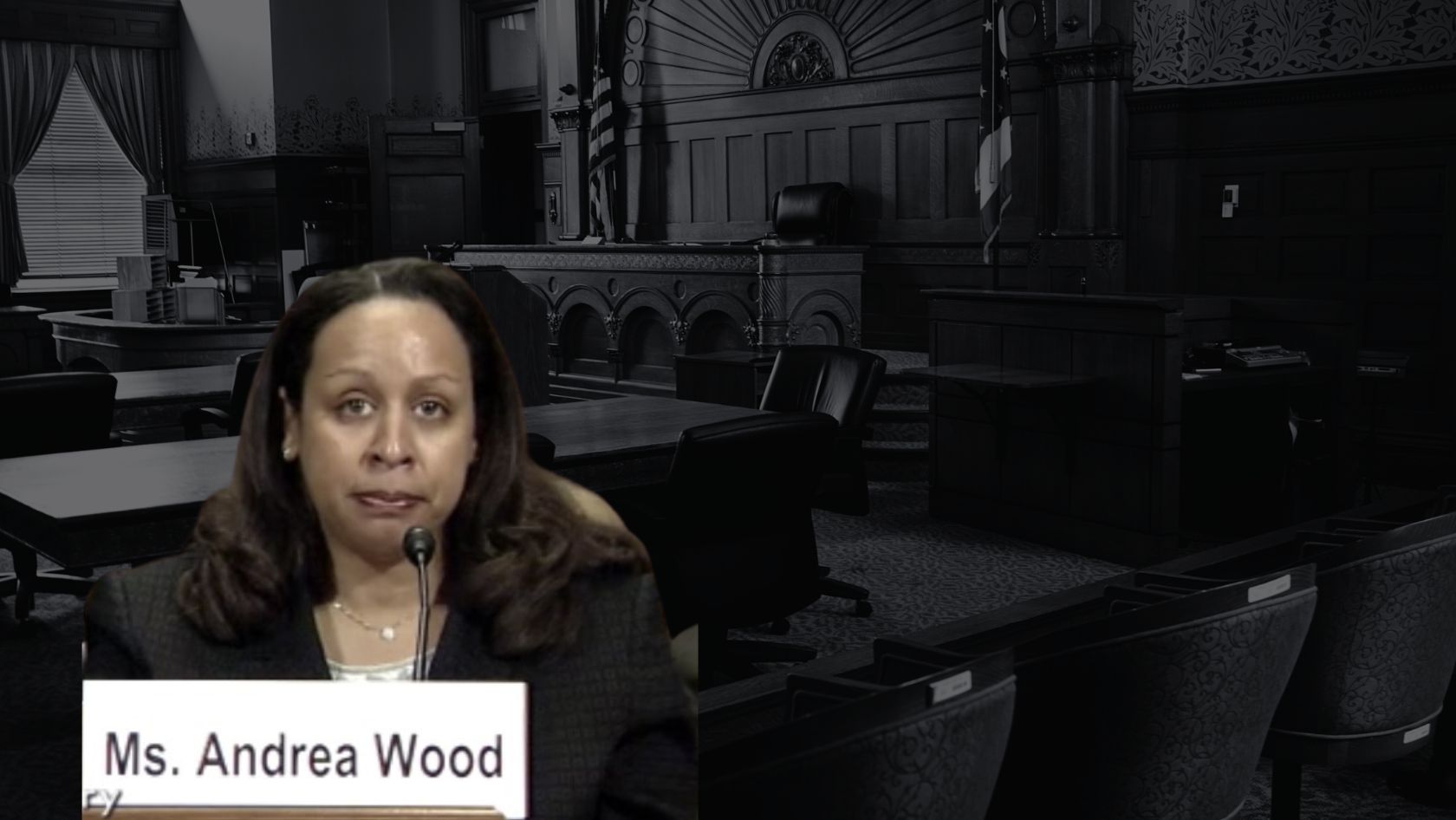
Judge Andrea R. Wood, who has presided over multiple real estate commission lawsuits in Illinois for several years, has recused herself from three cases after discovering a conflict of interest.
Today, Judge Wood, of the U.S. District Court for the Northern District of Illinois, filed a one-page notice. In it, she states that the spouse of a relative is a partner at a law firm representing a defendant in one of the cases, known as Moehrl. According to the Code of Conduct for U.S. Judges, this relationship necessitates her recusal to maintain impartiality.

“My relationship with this relative has not affected or impacted any decision in this case. Nonetheless, the relationship requires recusal under the Code of Conduct for United States Judges.”
Impact on the Moehrl and Batton Cases
Judge Wood’s recusal affects three real estate industry cases: Moehrl, Batton I and Batton II.
She has overseen the Moehrl case since March 2019. The case, like the Sitzer/Burnett case, alleges that certain rules set by the National Association of Realtors (NAR) violate the Sherman Antitrust Act by inflating sellers’ costs.
The Batton cases, which involve homebuyers rather than sellers, were also under Judge Wood’s jurisdiction. The first case, Batton I, was assigned to her in March 2022, and the second, Batton II, in January 2024. Unlike Moehrl, which has seen some settlement agreements reached, both Batton I and Batton II are still progressing through the legal process.
Future Proceedings and Potential Outcomes
Following Judge Wood’s recusal, the Clerk of the Court will randomly reassign all three cases to new judges. The reassignment could potentially delay proceedings, particularly in the Batton cases, where the discovery phase is scheduled to continue until spring 2026.
Settlement agreements in the Moehrl case are expected to be finalized later this year. However, objections have been raised by plaintiffs in a similar case in South Carolina, potentially complicating the path to resolution. Briefs from those wishing to appeal are due later this month, and any appeals could further affect the outcomes.