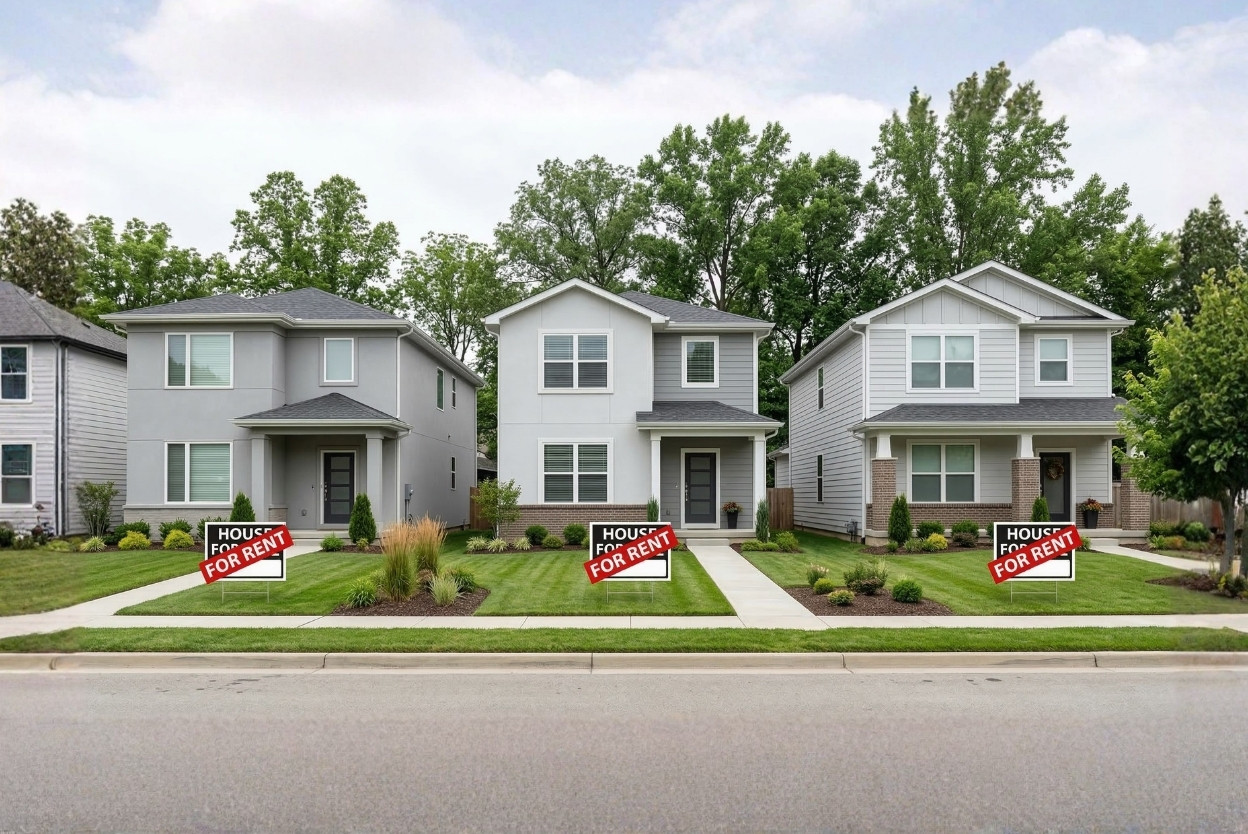

New Zillow data shows a growing number of homeowners choosing to rent out properties that didn’t sell.
The share of homes recently listed for sale on Zillow that are now listed for rent hit 2.3%, the second-highest share in the company’s nearly six-year dataset and just shy of the 2.4% record set in November 2022.
The move from for-sale to for-rent lets sellers hold onto their price expectations while the market shifts and homes sit longer.
Many of these homeowners have the financial flexibility to wait, though the extent of that flexibility varies. Zillow’s data shows most still have equity in their homes, which makes renting a practical option while they watch how the market plays out.
Byron Lazine unpacked the data on today’s Hot Sheet.

Here’s what you and your clients need to know.
Near-record share of unsold homes becoming rentals
2.3% of homes listed for rent on Zillow were recently listed for sale. That’s the second-highest reading in Zillow’s dataset and just below the 2.4% peak recorded in November 2022.
The number tends to rise late in the year as sellers run out of time during the traditional home shopping season. October 2025 already matched a previous October high of 2.3%, which puts the current trend within reach of the record.
The last spike happened during the rapid mortgage rate jump in 2022. Rates climbed from 3.11% at the start of the year to 7.08% by the end of October, which forced many sellers to rethink their plans.
This time, many homeowners appear willing to rent their homes while they wait for stronger demand instead of lowering the price.
Where accidental landlords are showing up most
The highest share of accidental landlords appears in markets where homes tend to sit longer and buyers have more leverage.
Metros with the highest share of accidental landlords:
- Denver — 4.9%
- Houston — 4.2%
- Austin — 4.1%
- San Antonio — 3.9%
- Portland — 3.7%
- Tampa — 3.7%
- Miami — 3.5%
- Dallas — 3.4%
- Jacksonville — 3.3%
- Nashville — 3.2%
Seven of the top 10 metros are in Texas or Florida, where listings tend to stay on the market longer and price cuts are more common.
Kara Ng, senior economist at Zillow, said the trend reflects how sellers are responding to a market where buyers hold more negotiating power.
“As the market continues to rebalance, sellers are facing a different reality than they did a few years ago. Bargaining power is tilting toward buyers and homes are taking longer to sell, making renting out a property one way to buy time rather than compete aggressively on price.
“After all, today’s sellers are rarely forced to sell, and it appears they are often unwilling to budge off of what their heart says their home is worth.”
All the more reason for agents to cultivate a deep understanding of their local market and pricing strategy, as well as how to separate the list price from the homeowner’s identity.
Competitive Metros See Fewer Accidental Landlords
The pattern flips in the most competitive housing markets, where homes sell faster and fewer sellers pivot to renting.
Metros with the lowest share of accidental landlords:
- Providence — 0.6%
- Boston — 0.6%
- New York — 0.7%
- Hartford — 0.8%
- Buffalo — 0.8%
- Milwaukee — 1.2%
- Chicago — 1.3%
- Philadelphia — 1.4%
- Cleveland — 1.5%
- Richmond — 1.5%
Eight of the 10 metros with the lowest share of accidental landlords also appear on Zillow’s list of the hottest housing markets for 2026, where stronger buyer demand keeps more homes in the for-sale pipeline.
What This Means for Agents
The rise in accidental landlords signals a shift in how many homeowners are thinking about their options.
Some sellers still want to move. Others simply want to avoid cutting their price. That opens the door for conversations about strategy rather than forcing a single path forward.
Pricing remains one of the most important parts of that conversation. Agents who have practiced proven scripts for pricing discussions are better positioned to help sellers understand the tradeoffs between reducing the list price and holding out for stronger demand.
The data also highlights another opportunity. More homeowners are considering renting out a property when it doesn’t sell. Agents who understand the rental market and can walk clients through that pivot provide immediate value.
Here’s what that could look like:
- Helping owners estimate potential rental income
- Explaining local demand for different property types
- Connecting them with vetted property management resources
Being a relentlessly helpful guide through those decisions builds trust and keeps the relationship strong, no matter what option the homeowner chooses.