


“People won’t always choose what’s best over what’s convenient.”
That was the core message from Sheila Reddy, CEO and founder of Mosaik, during a recent BAMx Office Hours.
Drawing on lessons from companies like Uber, Amazon, and Apple, Reddy broke down how real estate pros can turn friction into value and keep clients in their own ecosystem instead of drifting toward tech giants.
Let’s dive in.
Why friction matters
As Reddy explained, every major industry has built digital ecosystems around convenience.
Uber created a habit by making it easier to pay, order, and track rides, even if taxis were cheaper. Apple made switching inconvenient, so most users never even consider Android. Amazon turned slow, uncertain shipping into predictable two-day delivery.
Real estate has been slower to evolve, but that’s changing fast. As Reddy pointed out:
“Zillow continues to talk about the super app concept. Compass rolled out their own client-facing platform. Rocket acquired Redfin.”
All of them are chasing the same goal: capture clients through convenience.
For agents, the path to competing isn’t inventing more features. It’s identifying the small frictions your clients face, then removing them before someone else does.
Here are the six Reddy highlighted.
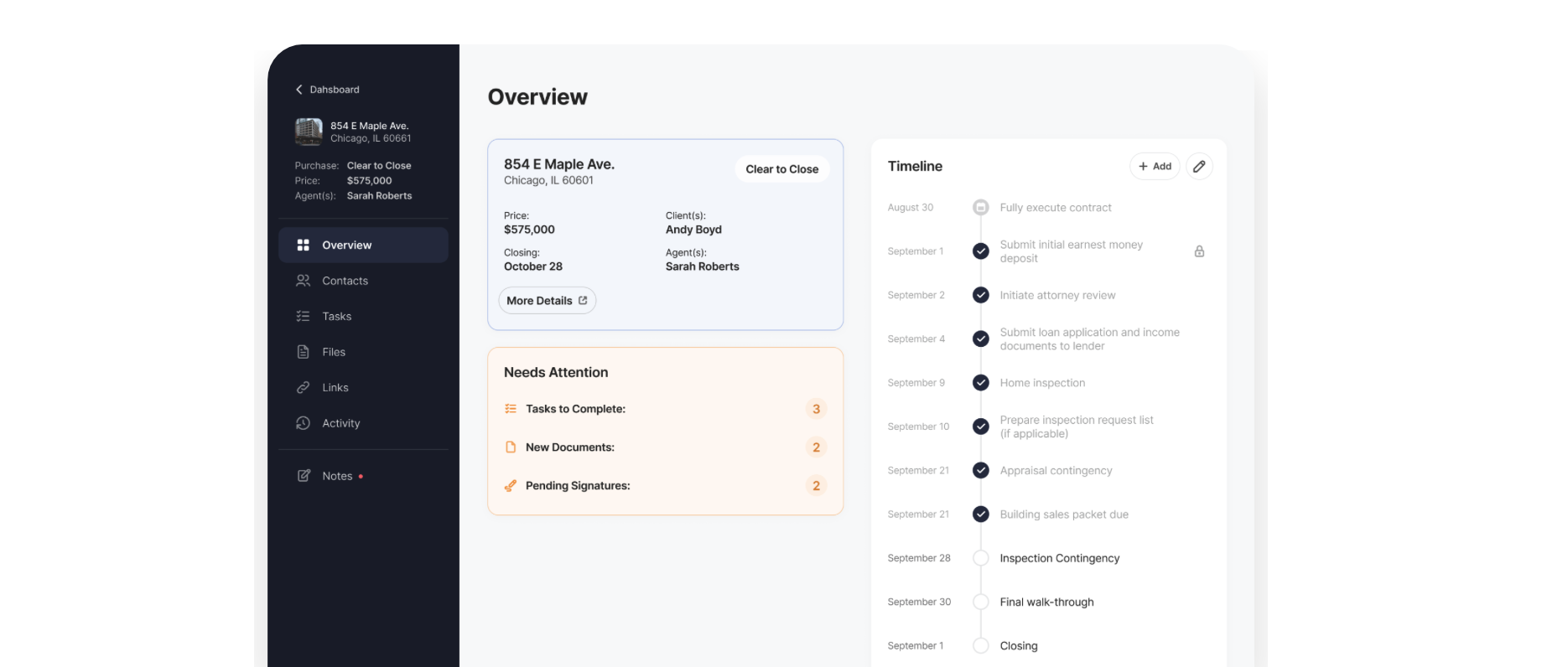
1) Transaction opacity and inbox chaos
Real estate is one of the biggest financial decisions in a client’s life, yet most are left juggling lender portals, title company emails, and scattered agent updates.
Reddy contrasted that with other industries, where clients can log in to check investment balances, medical records, or package deliveries at any hour.
“If I’m freaking out at two in the morning, I want to wake up and see what’s going on.”
Giving clients a single, on-demand view of their transaction eliminates guesswork and positions you as the one who finally brought real estate up to par with modern expectations.
2) Search without decision support
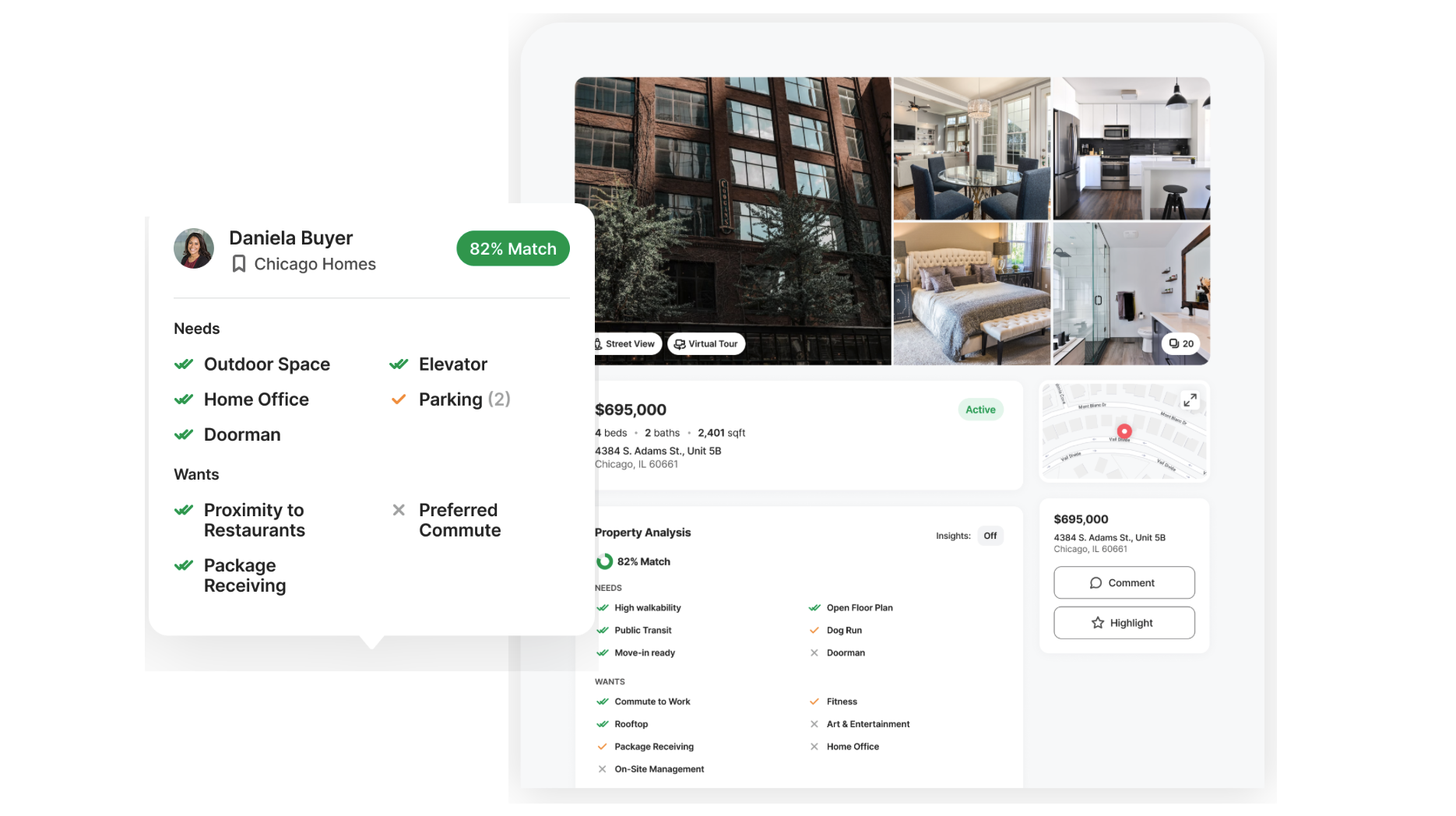
Buyers rarely find a property that checks every box. Instead, they weigh tradeoffs: lot size versus bedrooms, extra space for a home office versus a bigger yard.
Most MLS portals and third-party search apps don’t help with those comparisons. Clients end up relying on memory or flipping through texts to recall which listing had which feature.
Reddy pointed out that this is where agents can step in with property analyses that clearly show what a home has and doesn’t have. When you make those tradeoffs easy to see, you turn frustration into clarity and create value no portal can replicate.
“That friction… becomes an opportunity to deliver value.”
3) Vendor roulette after closing
Every homeowner eventually needs a plumber, roofer, or HVAC repair. But when they Google it, the top results are whoever paid for ads, not the trusted local pros you already know.
Clients want reliability and fair pricing. But without guidance, they’re left to chance.
By offering a vetted, on-demand vendor list, you solve a recurring post-close headache.
As Reddy put it,
“That type of accessibility is super valuable to the consumer and is currently a point of friction for most people.”
It also keeps clients coming back to your ecosystem long after the deal is done.
4) “What’s my home worth?” habits outside your ecosystem
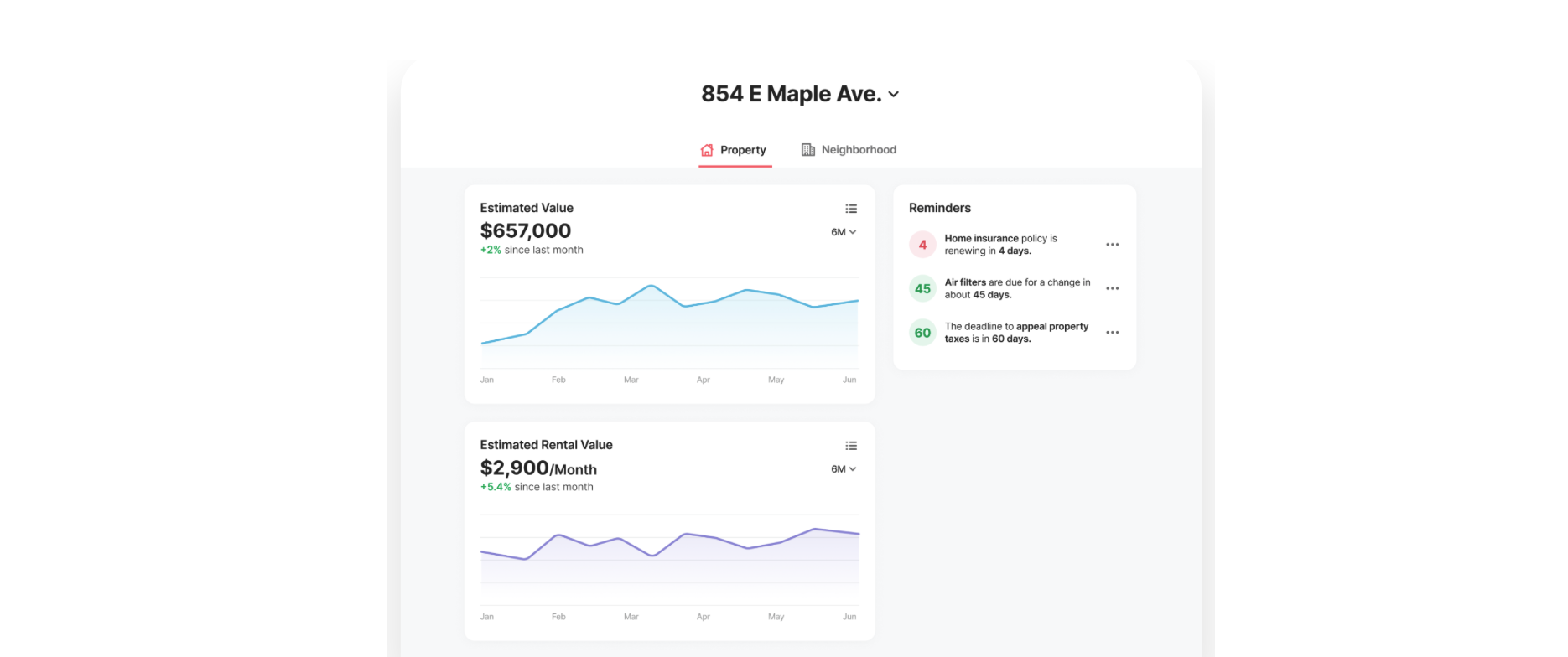
Zillow built its empire on a simple friction point: homeowners wanted to know their property’s value without calling an agent or waiting for a CMA.
The Zestimate wasn’t perfect, but it was instant. And that convenience created habit.
Reddy pointed out that agents can do the same inside their own ecosystem. Provide automated home values, but also make it easy for clients to request your professional insight.
That turns a quick check into an ongoing conversation with you, not with a portal.
5) Document scavenger hunts
Two years after closing, most clients can’t find their settlement statement, inspection report, or warranty. They dig through old emails or wait until business hours to ask you again.
That’s pure friction.
Giving them one place to retrieve key documents at any time makes their lives easier and subtly reinforces your value. You’re the one who gave them control over their own paperwork, even years later.
6) Missed reminders that cost real money
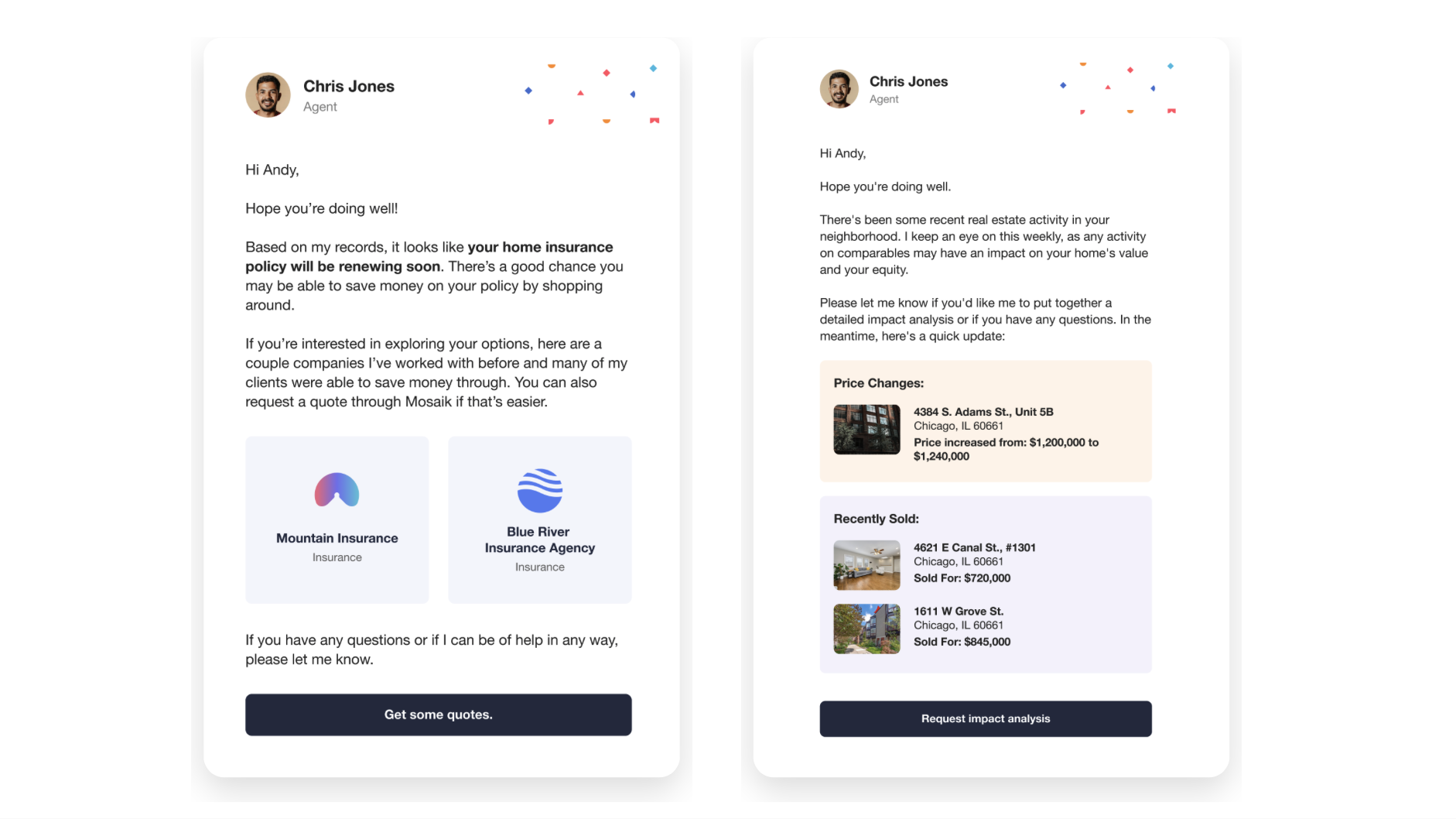
Insurance renewals, property tax bills, homestead exemptions, neighborhood activity.
All of these matter to homeowners, but few stay on top of them. Most only react once the renewal notice or tax bill arrives.
“You don’t know what you don’t know.”
Proactive reminders save clients stress and money, while positioning you as their long-term advisor. Instead of scrambling at the last minute, they remember the person who warned them ahead of time.
Using friction to win new clients
Reddy emphasized that these friction-solvers aren’t just retention tools. They also give you a competitive edge in listing presentations and buyer consultations.
And while she founded Mosaik to address all these friction points, Reddy would be the first to say you don’t need Mosaik specifically to put these systems into place.
What we’ll say, though, is Mosaik makes it a whole lot easier to set them up and maintain them.
Whatever your tool of choice, being able to say, “I provide transparency into the process, lifetime support, and ongoing care” sets you apart in ways most agents can’t.
Even small changes in language make a difference.
Reddy shared one example: stop offering a “CMA” and instead ask if the client wants an “impact analysis.” Everyone wants to know what impacts something important to them. Engagement rates go up instantly.
At the end of the day, consumers default to what’s convenient. If working with you is as easy or easier than the biggest apps, they’ll stay in your ecosystem instead of someone else’s.
BAMx members who enroll in Mosaik can waive the monthly membership fee. Join BAMx, and check to see if spots are available in your market.
Note: Mosaik subscriptions are capped in each market to keep it a competitive advantage. A one-time enrollment fee applies for BAMx members, but monthly fees are waived.