
There’s been plenty of confusion around Zillow’s new ChatGPT integration and the recent update to the Follow Up Boss Terms of Service. Instead of relying on secondhand interpretations, RealScout’s Andrew Flachner went straight to the source.
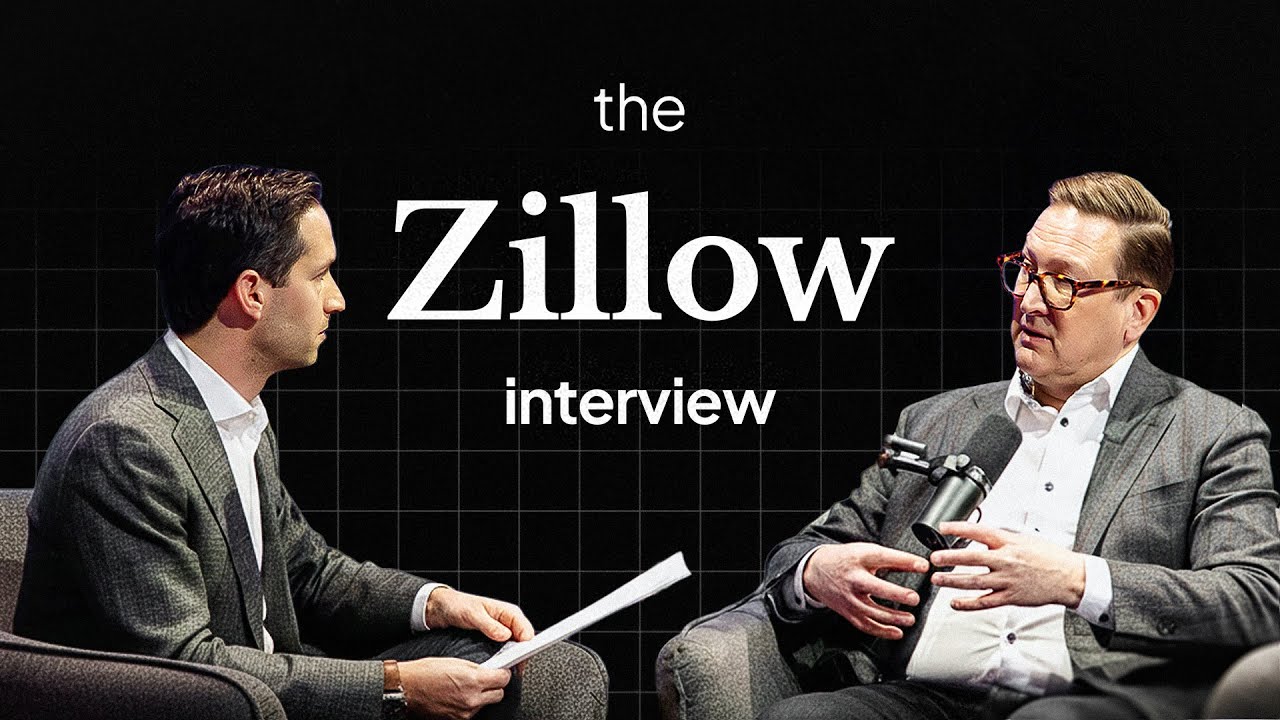
In a recent interview on the Playmakers Podcast, Flachner interviewed Errol Samuelson, Zillow’s Chief Industry Development Officer, who broke down what these changes actually mean, how the tools work behind the scenes, and why the updates were needed.
Zillow, ChatGPT, and What the New Integration Actually Does
Samuelson explained that on October 6, OpenAI launched its new in-chat app ecosystem. Only “five or six companies” were invited to build and demo apps for the release. Zillow was one of them.
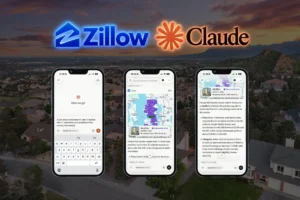
The significance, Samuelson said, is scale and behavior. ChatGPT has roughly “800 million weekly consumers.” Instead of typing filters into a search bar, people can now speak to the Zillow app conversationally inside ChatGPT.
That changes the way users move from curiosity to action.
To illustrate the shift, Samuelson told Flachner,
“We are moving from search to converse. So you know, in the old paradigm, it would be two bedrooms and two bathrooms and price range or city. Now we can simply talk to the machine and explain…what I need.”
The app extracts intent from natural language and translates it into search results. The end goal is the same as the Zillow website and mobile app. Users who want advice can be connected with a licensed professional when they are ready for guidance.
How Zillow Built the Integration While Meeting MLS and IDX Rules
The process behind the ChatGPT integration happened quickly. Samuelson described it as “developing on the fly” with OpenAI while some specifications were still being finalized. Zillow’s engineers worked evenings and weekends to meet deadlines.
At the same time, they needed to satisfy three requirements:
- Protect MLS data
- Respect IDX display rules
- Ensure that OpenAI did not use the data in ways prohibited by MLS agreements
According to Samuelson, Zillow told OpenAI that the integration would only move forward under one non-negotiable condition.
“The only way we would build this application was if they agreed not to train on the data or use the data that was sitting in our app inside their environment.”
OpenAI agreed to this immediately. From there, Zillow met with attorneys representing more than 50 MLS organizations. They walked through the app “screen by screen, button by button,” asking whether anything violated display rules or raised compliance concerns. Samuelson said that by the end of the meeting, the group’s response was simple. “They said this looks good.”
Part of that confidence came from a tool Zillow brought to the table. The company had already developed its own Fair Housing AI filter to ensure compliance inside conversational interfaces.
Samuelson added,
“We open sourced that. So anybody who would like to use our fair housing model is welcome to use it.”
The conversation also brought up the age of current IDX policies. Many rules were written long before smartphones, voice assistants, or AI. Some even specify font sizes. Samuelson noted that the industry would benefit from IDX standards that focus on principles such as attribution rather than prescriptive formats that “end up inhibiting innovation.”
Follow Up Boss’ Terms of Service: What Changed and Why
The second major topic of confusion is the Follow Up Boss terms of service update. This change enables deeper connections between Zillow and Follow Up Boss through the Zillow Pro experience.
According to Samuelson, the update is straightforward. It allows Follow Up Boss to tell Zillow who a customer is so that Zillow can send insights back to the user’s CRM.
Samuelson broke it down this way.
“If you wish to get insights on your customer on Zillow, Zillow needs to know who that customer is.”
He explained that Follow Up Boss needs permission to say, “Andrew is one of my customers. Please send me insights back,” so Zillow can trigger connected features like branding, routing, and real-time search insights.
To prevent misinformation from spreading, Samuelson clarified what data Zillow does and does not access.
“It’s your data, it’s your sphere,” adding that sphere data is not being used by Zillow beyond matching a user across platforms. He also addressed what happens if someone leaves Follow Up Boss.
Users can “download their entire sphere and then delete it. It’s gone.”
These linked features are what power new capabilities inside Zillow Pro, including visibility into search activity, saved listings, neighborhood shifts, and patterns that indicate rising intent.
The terms of service update simply makes this two-way connection possible.
Based on Samuelson’s explanation, the systems behind these changes involving ChatGPT and Follow Up Boss were built with MLS oversight, strict data use limitations, and protections designed to keep users in control.
When you understand how the technology works, you can decide how it fits into your business and how these tools can improve the timing and context of the conversations you already have.