
Realtor.com CEO Damian Eales just issued a clear and direct message about the dangers of exclusivity and what it could cost sellers, agents, and the industry as a whole.
In a post published on Realtor.com’s Leadership Perspectives page, Eales outlines why the platform supports NAR’s Clear Cooperation Policy (CCP) and why listing agents who go private are, in his words, “on the wrong side of history.”
Eales first shared some of his thoughts on CCP and Realtor.com’s relative silence on the policy on a recent Knowledge Brokers Podcast, and his post yesterday expands on that stance.
Read on for highlights.

Clear Cooperation Is the Foundation of a Fair Marketplace
According to Eales, the U.S. real estate market is built on one key advantage: open access.
“Realtor.com fully supports the principles and policy of Clear Cooperation because it is at the heart of the most consumer friendly marketplace on the planet.”
He credits the cooperative structure of the MLS and platforms like Realtor.com with making listings freely available to the public. In this model, sellers don’t have to pay for visibility, and buyers don’t need special access to view inventory.
Everyone benefits from a level playing field.
But Eales is skeptical of the argument that sellers are demanding privacy. He suggests many are being misled into believing exclusivity is in their best interest.
“It is anathema to common sense that more and more sellers want the ‘choice’ of fewer free eyeballs—which incontrovertibly leads to less competition in the form of fewer buyers, fewer offers and potentially a lower sale price.”
Instead of increasing value, private listings limit exposure, reduce competition, and often result in less favorable outcomes for sellers.
As Eales put it on KBP:
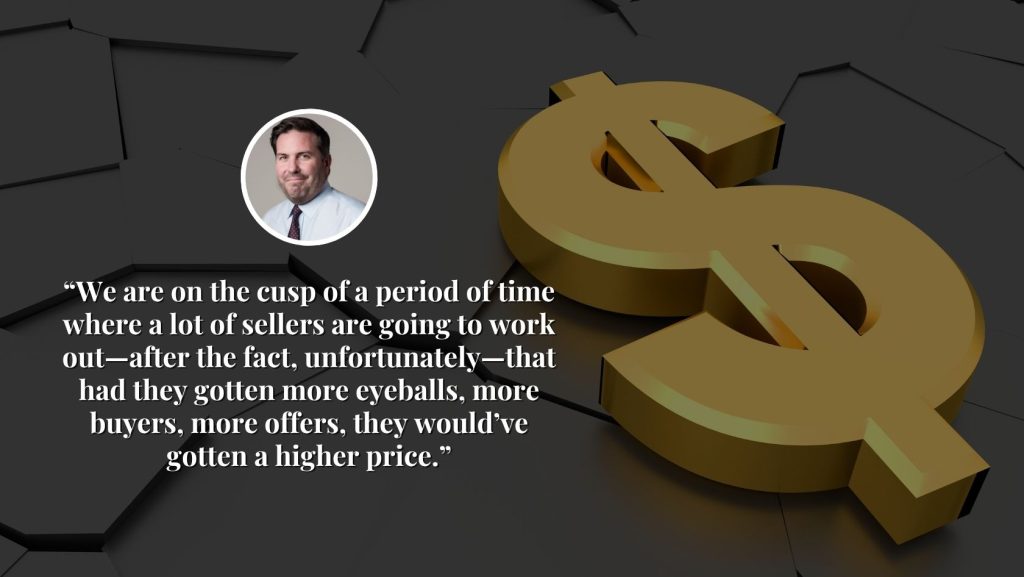
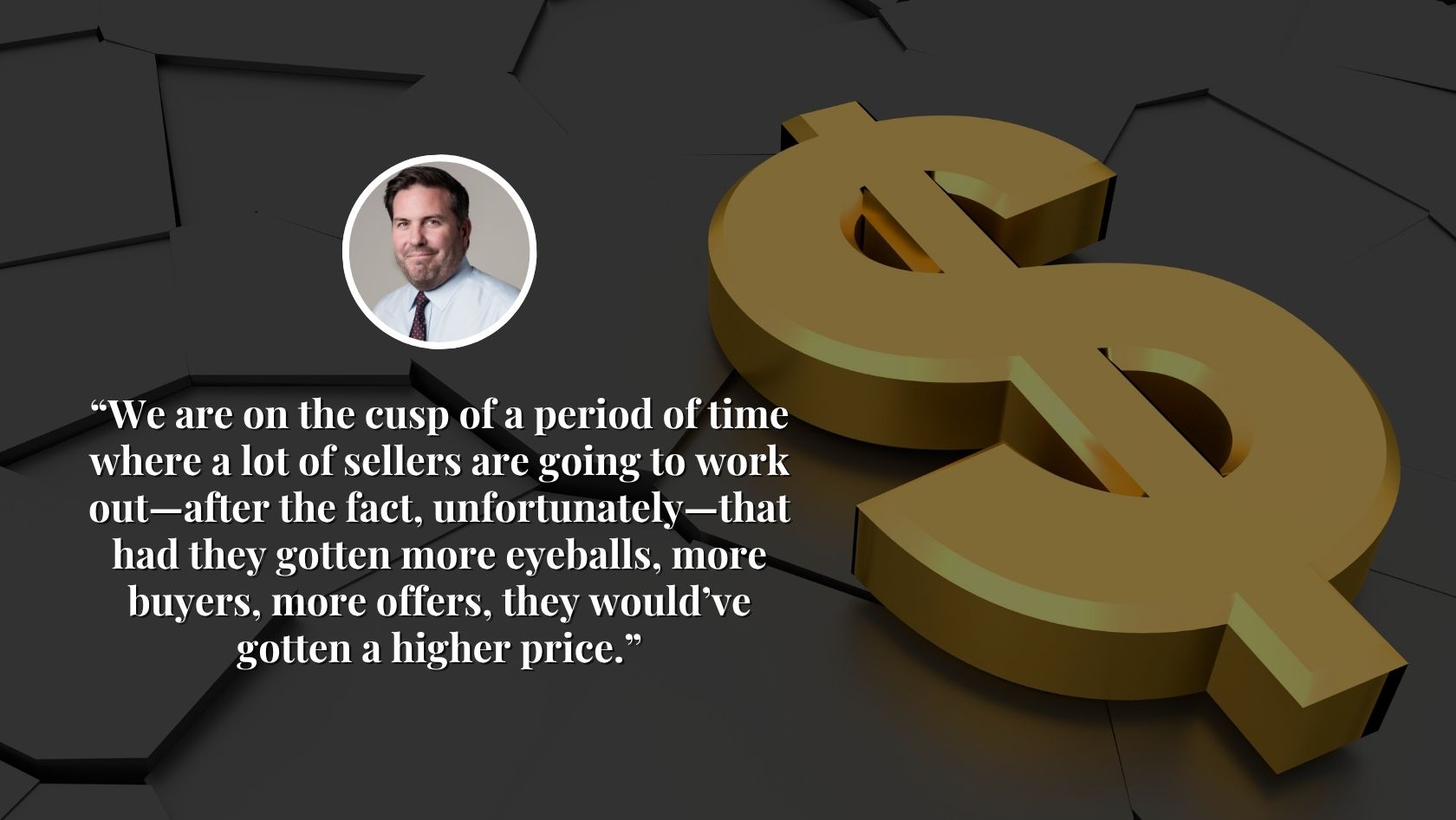
“We are on the cusp of a period of time where a lot of sellers are going to work out—after the fact, unfortunately—that had they gotten more eyeballs, more buyers, more offers, they would’ve gotten a higher price.”
Private Listings Raise Legal and Ethical Concerns
The risks of private marketing aren’t just financial. Eales warns that steering, discrimination, and legal exposure become more likely when listings are hidden from the public.
“Brokers who facilitate private marketplaces are likely to find themselves on the wrong side of history by putting themselves in the bullseye of litigation from both sellers who feel shortchanged, as well as buyers who claim they were selectively excluded from seeing a property.”
He references the 2019 Newsday investigation into discriminatory steering practices, noting that the Clear Cooperation Policy was adopted that same year to combat similar concerns.
Eales also makes it clear that real estate professionals must not only act ethically, but also be seen acting ethically. A private listing may feel harmless to some agents, but it can create the appearance of exclusivity or favoritism, which undermines trust and compliance with laws like the Fair Housing Act.
Visibility Drives Value: A Lesson from Experience
To support his argument, Eales shares a personal story from his time selling real estate in Australia. His first listing failed to sell at auction because he skimped on advertising to save money.
“In trying to save money, I cut corners on advertising and failed to attract all potential buyers. It was a costly reminder that being penny wise can often be pound-foolish.”
His takeaway is simple: visibility creates competition. Sellers benefit from marketing their homes to the widest possible pool of buyers. When listings are kept private, sellers are deprived of that opportunity, sometimes without even knowing it.
Why Platform Policies (and Participation) Matter
Eales also points out that Realtor.com’s current structure is already aligned with Clear Cooperation. Unlike Zillow and Redfin, which require listings to be added to the MLS within one business day of public marketing, Realtor.com’s agreements with MLSs require it to show all listings.
“This is not to say that we won’t be open to working with MLSs who want us to better enforce the principles and policy of Clear Cooperation.”
At the same time, Eales criticizes listing agents who hold their listings back, only to demand full access to the benefits of cooperation later.
“Why should an uncooperative listing agent be able to sell privately to a restricted group of buyer agents and buyers; and at the same time, benefit from unrestricted access to the listings of cooperative listing agents?”
He compares it to showing up at a potluck with only a fork. Agents who choose not to contribute to the shared marketplace shouldn’t expect to benefit from the exposure created by those who do.
A Final Word to Agents Selling Exclusivity
For those arguing that sellers deserve the option of exclusivity, Eales counters that the choice already exists, but not without consequences.
“Sellers do have a choice in this scenario: to cooperate with those who are adding value to the marketplace, or not participate in the cooperative.”
And when sellers realize their property was excluded from the platforms that reach the most buyers, they may question whether their agent truly acted in their best interest.
Eales closes with a sharp reminder for agents who lean on exclusivity to position themselves as strategic:
“If you want to catch a big fish, avoid small ponds.”
In a market with growing inventory and greater buyer leverage, agents who limit exposure may not just underserve their clients; they may also risk damaging their reputation, their client relationships, and their future business.