

“These leads just aren’t serious.”
It’s a line you’ve probably heard (or said) before.
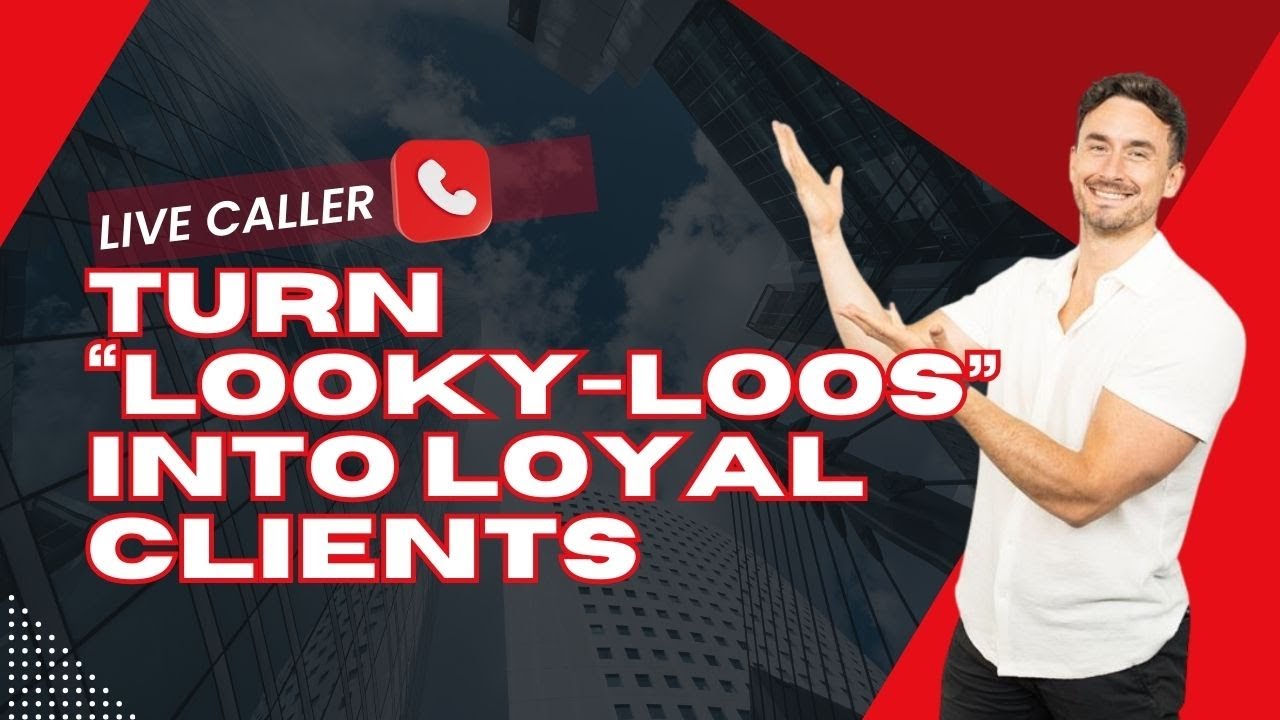
It’s the challenge Lewis has been feeling lately, who called in live on a recent episode of the Stay Paid Podcast. He’s been licensed in New York for nearly five years, and closed five listings last year totaling roughly $2 to $3 million in volume, and right now, he’s getting inquiries.
The problem? A lot of them ask questions, gather information, and then disappear.
They feel like looky-loos.
I told him straight up: this business runs on longer timelines than most agents are willing to accept.
What Lewis was experiencing isn’t unique to Queens, Nassau, or any specific market. It’s the reality of real estate. Most of the leads you generate today are early in their timeline. They’re in the awareness phase. They’re not ready this week.
If you get impatient and mislabel early-stage prospects as “not serious,” you’ll miss the opportunity to build the kind of loyalty that compounds over time.
So, the first shift you have to make is accepting how long this game actually takes.
Accept the Timeline, or You’ll Keep Getting Frustrated
Here’s the reality I shared on the call.
Our average Facebook lead takes 10.8 months to close. Not 10.8 days. Not 10.8 weeks. Months. And when we look at Google and PPC leads right now, we’re seeing six months to a year on average.
That’s normal.
So when agents say, “They’re not serious,” what I hear is, “They’re not ready yet.”
And those are two very different things.
If you go into this business expecting quick conversions from cold traffic, you’re going to think your leads are bad. You’re going to think your scripts are off. You’re going to think something is broken.
Most of the time, though, nothing’s broken. The timeline just hasn’t matured.
We’ve tracked this inside our own data. On average, it takes us 36 calls to close a Facebook lead. Thirty-six. That means if you stop at call five or call ten, you’re not even close to where the math says the deal lives.
This is why I told Lewis he has to know his numbers. You can’t be hesitant about your volume, your listings, your sources.
Professionals know their metrics. If you want to go from five transactions to 25, you don’t need better luck. You need better expectations and better follow-up.
Real estate is a long nurture business. If you accept that, your strategy changes.
Learn to Love the Math
The first questions I asked Lewis were simple:
- How many listings did you do?
- What was your volume?
- Where did the deals come from?
He hesitated.
I’m not saying that to call him out. We’ve all been there. Early on, you’re focused on the hustle. You’re focused on the next opportunity.
But if you want to build this like a professional, you’ve got to know your numbers cold.
If your average Facebook lead takes 10.8 months to close and around 36 calls to convert, that’s not a red flag. That’s the model. And if your PPC leads are taking six months to a year, that doesn’t mean something’s wrong. It means that’s the timeline you’re working inside of.
Once you understand that, you stop fighting the process and start building your follow-up around it.
Most agents quit way before the math works in their favor.
They call a few times. They send a couple texts. Maybe they drip a few emails. Then they decide the lead wasn’t serious.
What really happened is they stopped before the probability curve kicked in.
When you understand your numbers, you stop taking it personally. You stop labeling people as tire-kickers. You start asking better questions.
- How many touches does it take?
- How long is my average nurture cycle?
- How many appointments do I need to set to hit my income goal?
Now you’re operating like a business owner.
Master the First Call: Relationship, Motivation, Appointment
When Lewis told us his objective on the first call was to build trust, I told him he was on the right track. Relationship and rapport matter. You have to connect. You have to show you understand the area. You have to be real.
But trust by itself doesn’t move the deal forward.
There are three things I’m focused on every first call.
Relationship. Motivation. Appointment.
I don’t care what specific questions you ask after your intro. What I care about is whether you uncover the real motivation. People don’t usually hand that to you. You have to pull it out.
If someone tells you they’re looking for a three-bedroom, I’m not just hearing bedroom count. I’m trying to understand what’s driving that.
- Do they have kids?
- Are parents moving in?
- Are they outgrowing the house?
The real motivator is what moves the timeline.
Stephen Acree, who has sold over 1,000 homes and is President of Acree Brothers Realty Team, gave a great example on the episode. A family with three kids living in a two-bedroom house. That’s a clear motivator.
Once you understand that, your follow-up becomes specific. You’re talking about space, budget, timing, and what it’s going to take to make the move happen. The conversation has direction because you know what problem you’re helping them solve.
A lot of agents stay on the phone giving information. They answer questions. They explain the process. Then they wait.
You have to set the appointment.
I’m not going for a listing on that first call. I’m going for a meeting. So, I’ll say this:
“Let’s sit down and see if it even makes sense for you to move. It might not. But if it does, we’ll build the right plan.”
When you focus on getting the appointment instead of forcing a decision, you create space to build a strategy around their motivation.
That’s how looky-loos start turning into real opportunities.
When They Ghost You, Keep Going
This is the part that messes with most agents.
Lewis said people ask questions and then disappear. Every agent has felt that. You have a solid conversation. They sound interested. Then…crickets.
You have to understand what’s happening there.
A lot of times, when someone is close to making a decision but not fully committed, they avoid the call. They know if they get you on the phone and you’re good at what you do, they might move before they’re ready. So they delay. They wait. They go quiet.
That silence doesn’t mean they’ve lost interest.
On the episode, Stephen referenced Ryan Serhant talking about relentless follow-up. He shared an example of following up with someone for six years before transacting.
Six years. And he sent something every single month. That’s discipline.
If someone ghosts you and you stop, you’ve confirmed their fear that you were just there for the transaction. If you continue to follow up in a professional way, you stay in position. And when they decide, you’re the first call.
Unfortunately, this is where most pipelines fall apart. Agents take the silence personally. They decide the lead wasn’t serious. They move on to the next shiny object.
Stay with it.
If the average Facebook lead takes 10.8 months and around 36 calls, then your job comes down to this:
- Keep showing up.
- Keep calling.
- Keep adding value.
Over time, the people who felt like looky-loos become the clients who say, “You’re the only agent who stayed in touch.”
That’s how loyalty is built.
Build the System That Makes Loyalty Inevitable
Here’s what I told Lewis before we wrapped the call.
When you hang up, go look at every lead you’ve ever generated. Ask yourself two questions:
- What am I sending them every month?
- How often am I calling them?
If you don’t have a clear answer, that’s the gap.
You can’t rely on memory. You can’t rely on feeling motivated. You need a structure. A nurture plan that runs whether you feel like calling that day or not.
Some of those leads are 12 months out. Some are 18. Some might be 24 months. That’s part of the business. Your follow-up needs to match their timeline.
If someone isn’t moving for a year, daily listings don’t make sense. Market updates, scheduled check-ins, and consistent communication do.
This is how you go from five transactions to 25.
- You maximize the leads you already have.
- You track your touches.
- You set appointments.
- You stay consistent long enough for the timeline to catch up.
Top-of-funnel leads carry long timelines. When you build a system that keeps you in front of them, the people who once felt casual become the clients who stay with you and refer you.