
BAM Fest 2025 is happening on April 23rd with top real estate speakers, live DJ entertainment, and a surprise guest whose insights have changed millions of lives. Spots are limited—save yours now before it’s full!
The future of real estate is heading toward consolidation.
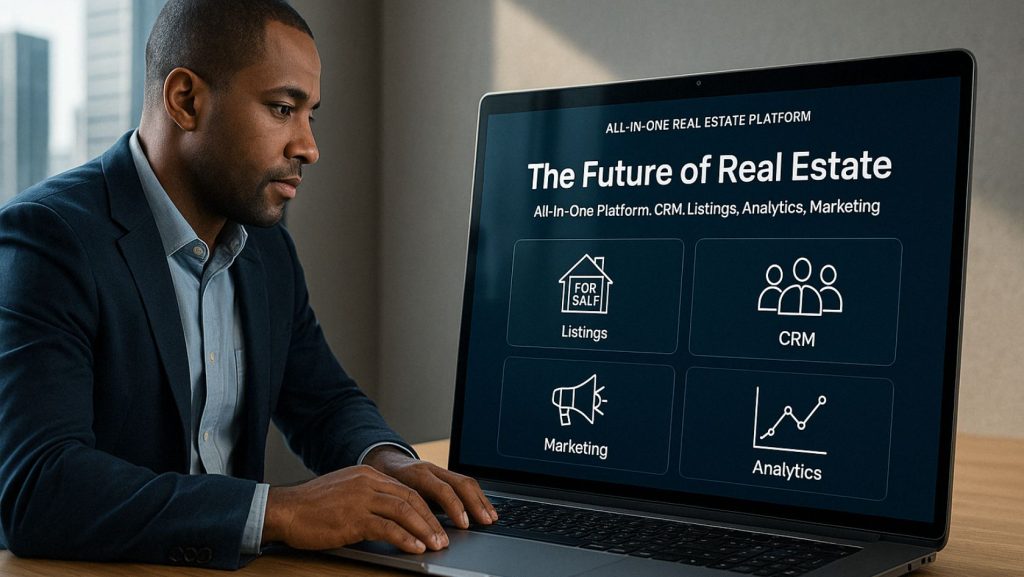
Not in the traditional sense of brokerages merging, but in the form of a handful of massive, all-in-one portals that will dominate the residential space. Think Zillow, Rocket, Compass, CoStar, and one that most people don’t know about or overlook: PLACE.
These aren’t just platforms. They’re ecosystems. And I believe only four to five of them will truly own the consumer experience in the next 5 to 10 years. Similar to the “Big 4” in public accounting firms.
It’s a Two-Sided Race
The companies that win in the next decade will do two things better than everyone else:
- Dominate the Top of Funnel: They’ll build or buy consumer-facing portals to compete head-on with Zillow, becoming the place buyers and sellers start their journey. Zillow is wildly ahead in this race: its home search site currently receives an average of 271 million unique monthly users.
- Own the Last Mile: They’ll seamlessly connect the online experience with high-quality agents, local lenders, and boots-on-the-ground support that make deals actually happen. The key is that the service on the ground will have skin in the game, not just another vendor relationship.
That’s a tall order. And then there’s the third, less sexy—but most important—layer…
Uniform Experience, Lifetime Value
The real winner will overhaul their tech stack from top to bottom, delivering a cohesive brand and product experience across every touchpoint: search, mortgage, title, insurance, home improvement, and post-close services. Not just during a transaction, but throughout the entire homeownership process.
That’s where the biggest revenue lies. Not in the one-time commission, but in the lifetime value of the consumer.
The Cost of Winning
This is an expensive race. Only platforms with deep pockets, likely those that are publicly traded, can afford to build, integrate, and scale across all these verticals. The capital and technical demands are massive, which is why smaller brokerages and independent tools will eventually get absorbed or pushed to the margins.
Why PLACE Is a Contender
PLACE isn’t trying to remove agents from the transaction, and that’s exactly why I see it winning. It recognizes the irreplaceable value of high-quality, local professionals. Most prop-tech ventures that tried to sidestep agents or reduce them to a call center function have either failed or remained wildly unprofitable. Consumers want better tools, yes. But they also want trusted experts on the ground.
PLACE is building infrastructure for the agent, not against them, while also aligning with top-tier teams who are deeply embedded in their markets. In other words, they’re solving the “last mile logistics” of real estate — that final, human element of turning a digital home search into a successful transaction with high-touch service.
Brokerages Will Become Background Players
As these mega-platforms take over the consumer relationship, traditional brokerages will continue to fade in relevance. They’ll still serve a purpose: compliance, culture, and support for agents, but they’ll no longer be the center of gravity. The brand consumers know will be the portal, not the brokerage behind the scenes.
Final Thoughts
The future of real estate belongs to a handful of mega-platforms that marry powerful consumer search with exceptional local service and end-to-end product ecosystems. PLACE is a frontrunner that more people should be watching. Brokerages won’t disappear — but they won’t lead the narrative anymore, either.
If you want to survive in this new world, don’t bet on being a brand. Bet on being a node in one of these fast-emerging networks. That’s where the opportunity lives.