
“If it’s to be, it’s up to me.”
That’s the treadmill mindset—and according to Dave Ramsey, it’s where most entrepreneurs get stuck.
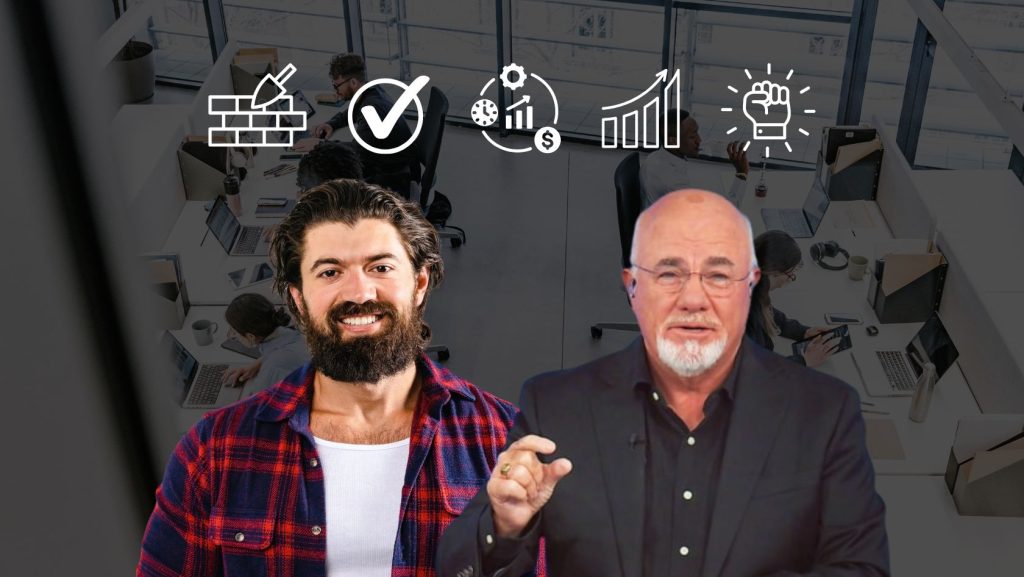
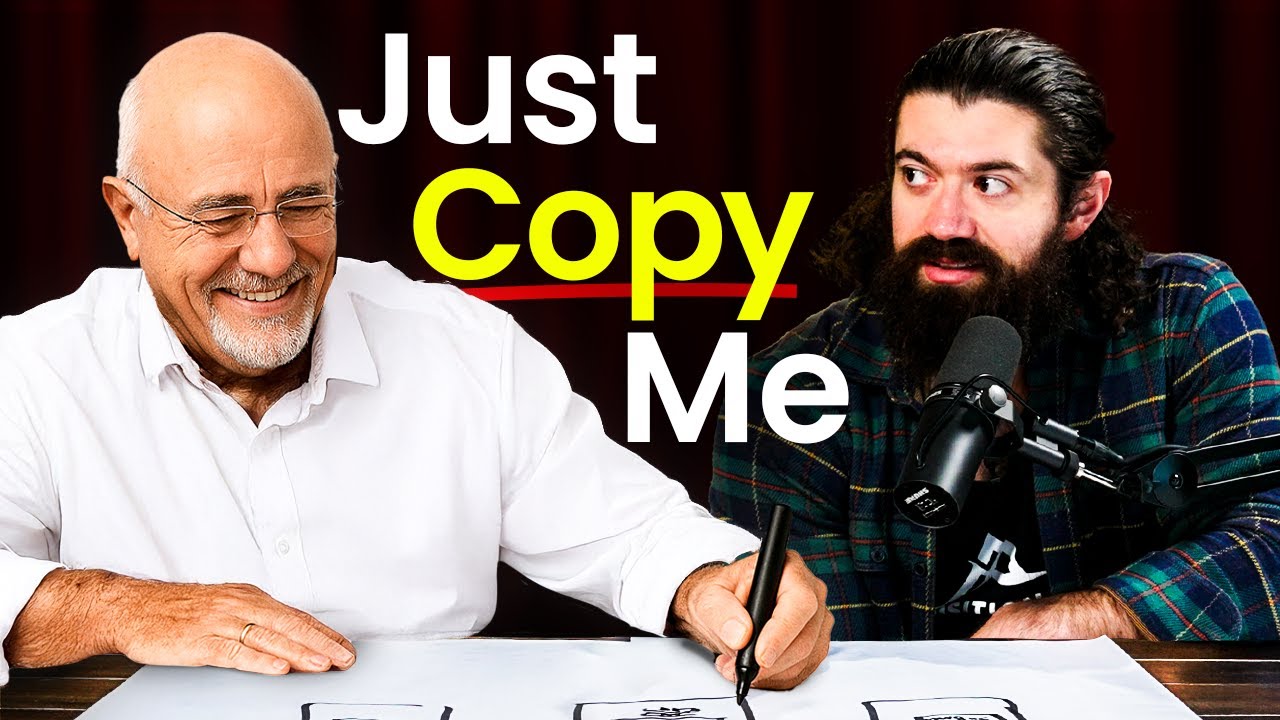
In a recent interview with Alex Hormozi, Ramsey laid out the exact framework he and his team at Ramsey Solutions use to help small businesses scale—drawn from 30+ years of experience building his own company and coaching over 10,000 entrepreneurs.
The result? A five-stage path every entrepreneur must walk to build something sustainable—and eventually, something that lasts beyond them.
If you’re in real estate and you want to go from solo agent to CEO—or simply avoid the chaos that comes with growing too fast—this model is required reading.
Let’s get into the stages.
Stage 1 – Treadmill: You Don’t Own a Business; You Own a Job
Revenue Range (varies): ~$0–$1M
This is where it all begins. You’re the producer, the revenue generator, the operations manager, and the janitor. If you don’t work, nothing happens.
Ramsey calls this the “treadmill” for a reason: it’s exhausting, nonstop, and unsustainable.
“You come home from work and flop on the couch. You don’t know what you did today—but you did a lot of it.”
Key focus areas to level up:
- Time management: Block off time to work on the business
- Delegation: Hire that first person and start letting go
- Mindset shift: Start building systems instead of reacting to chaos
The goal is to build a margin so the business can breathe without you.
Stage 2 – Trailblazer: Embrace the Chaos
You’ve hired your first few people… and now you’re herding cats.
Communication is spotty, roles are blurry, and decisions are often reactive. But there’s passion, energy, and potential. Ramsey says it’s a fun stage—until it isn’t.
How to scale from here:
- Start long-term planning (not just reacting)
- Shift from tactical to strategic thinking
- Identify and develop your first layer of leadership
This is the stage where many real estate team leaders stall. You’ve added agents, maybe a transaction coordinator (TC), and now you’re trying to lead while still doing deals.
If you’re ready to grow, this is where strategy becomes your new secret weapon.
Stage 3 – Trailblazer v.2 (Middle Stage Revisited): Strategy Meets Skepticism
Ramsey admits he initially dismissed the concept of strategic thought. “It sounded like corporate America,” he told Hormozi.
But once he hired MBAs and built a team that thought beyond day-to-day tasks, he saw the value. You begin looking at your business from 30,000 feet instead of eye-level.
For Ramsey, that shift allowed him to write bestselling books like The Total Money Makeover, which has sold over 12 million copies and expanded his brand beyond personal finance.
Your shift might look a bit different—for example, finding a business coach (with or without an MBA) with real experience growing a business sustainably through all five stages and helping others do the same.
Having a coachable mindset is critical here. No matter how long you’ve been in this industry, there’s always more to learn.
In any case, this middle Trailblazer stage is where strategic thought matures. It’s also where real growth becomes scalable. Because it’s no longer dependent on instinct or adrenaline.
The work shifts from doing the thing to designing how the thing gets done.
Stage 4 – Pathfinder: Systems, Structure, and Scale
This is where things start to click. Ramsey calls this the “sweet spot.” You’ve built systems. You’ve empowered leaders. And you’re no longer chasing revenue—you’re printing it.
What characterizes the Pathfinder stage?
- Processes are documented and repeatable
- Revenue isn’t dependent on the founder
- Planning is routine, not reactive
- Culture is consistent and aligned
But here’s the kicker: just because your org looks like a Pathfinder company doesn’t mean it is. Ramsey says he’s seen businesses with 70 employees still operating like Trailblazers because the founder never changed.
Scaling isn’t just about structure—it’s about personal growth. Ramsey puts it this way: “I’m the problem, and I’m the solution.”
Stage 5 – Legacy: Succession and Significance
This is the top of the mountain. And it’s where Ramsey is today.
It’s about creating a business that outlives you—handing it off without letting it fall apart. For real estate teams, this could mean grooming a future managing partner, building a family office, or systematizing your knowledge so others can thrive without you.
Ramsey emphasizes: at this stage, you stop asking “How do I scale this?” and start asking, “Who’s going to carry it forward?”
The 6 Growth Drivers
No matter what stage you’re in, these six drivers determine whether you level up or plateau.
- Personal Growth – “I am the problem and I am the solution.”
- Purpose – Clear vision and mission
- People – Quality of hires and culture
- Profit – Financial margin for sustainability
- Planning – Strategic foresight
- (Repetition) – You’ll cycle through all the above five drivers at each new stage.
Even at Ramsey Solutions, which has coached more than 10,000 small business owners, these growth drivers get revisited constantly—sometimes 10 to 15 times as the business evolves.
Ready to Scale? Join the BAM Workshop on May 15
Want to go deeper on scaling strategies that actually work in real estate?
Join Byron Lazine, Tom Toole, and Lisa Chinatti—the power trio behind the Knowledge Brokers Podcast—at the BAM Workshop on May 15.
They’ll break down:
- The exact strategies their top-producing teams are using now
- What it really takes to grow without burning out
- Tactical steps to move from chaos to control
PLUS: Get an exclusive opportunity to shadow Lisa Chinatti’s team the following day and see how one of the most scalable operations in the country really works.