
For the first time in four years, the Federal Reserve announced rate cuts yesterday—enacting a cut of 50 basis points (half a percentage point), dropping it to a range between 4.75% and 5%.
The Fed’s decision was influenced by the overall softening in inflation and the slowdown in the labor market. The Committee’s inflation outlook was reduced to 2.3% from 2.6%, while its unemployment rate forecast increased from 4% to 4.4%.
The Fed’s dot plot suggests another 50 basis points in cuts by the end of 2024, with the benchmark decreasing by a full percentage point by the end of 2025—and another half-point by 2026.
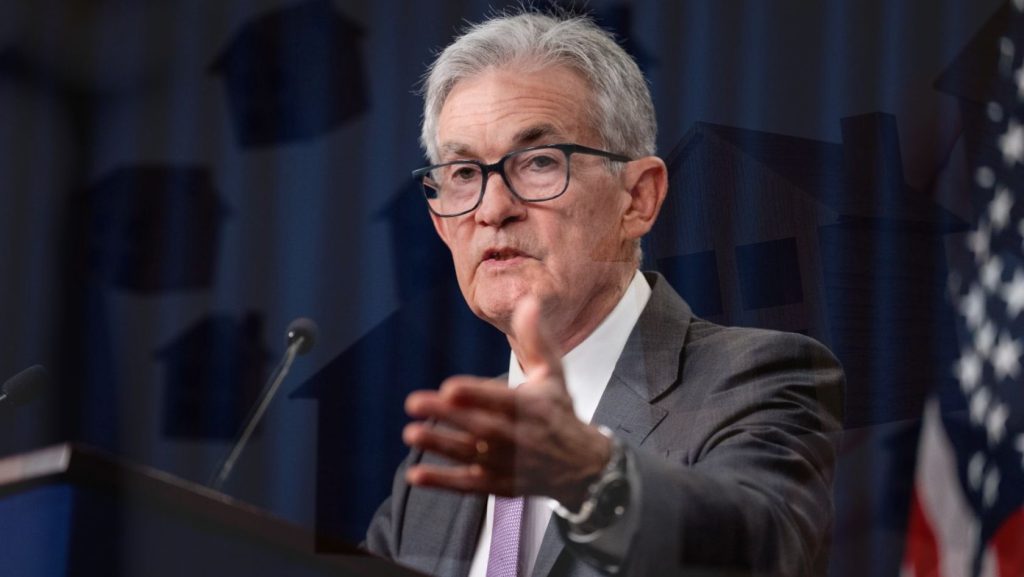
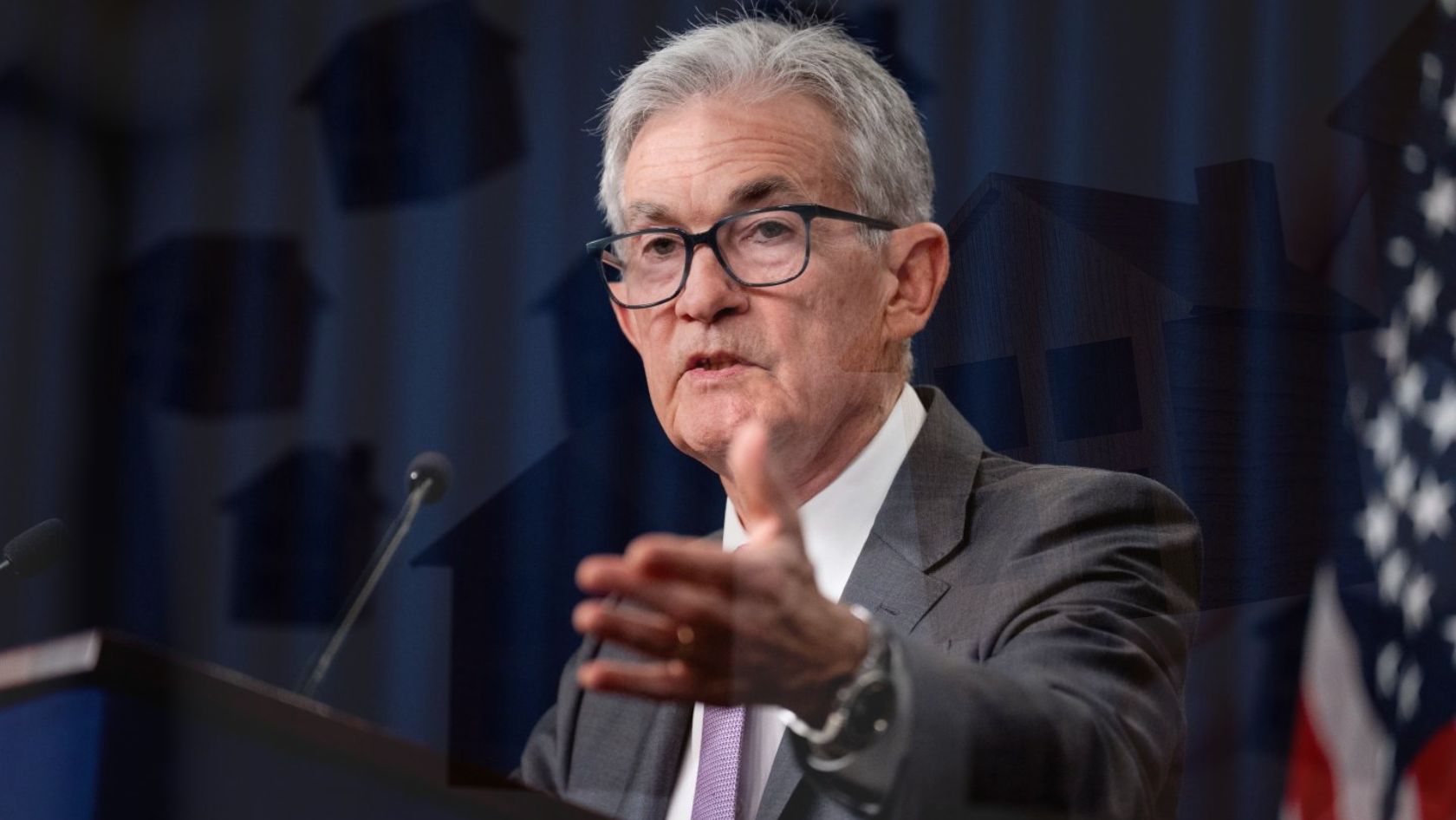
The rate cut was expected—but what we’re here for is how the cut could impact the housing market. And during the press conference, Fed Chair Jerome Powell spoke about consumer concerns with questions specific to:
- Housing inflation
- Whether housing demand will pick back up and cause a rise in prices
- Mortgage rate predictions
- Powell’s message to those frustrated with housing prices
Keep reading for the direct timestamps and transcripts for each housing question—along with Powell’s answers during the FOMC press conference.
And don’t miss Jeremy Knight’s full breakdown on today’s Hot Sheet.

Housing-Related Comments from the Q&A Segment
During the Q&A segment of the press conference, one reporter asked Powell about housing inflation and the possibility of rate cuts driving up home prices, while another asked about mortgage rates and home prices.
[32:58] Question from Catarina Saraiva, Bloomberg News:
“I just would love to know kind of how the Committee is thinking about the persistence we’ve seen in housing inflation. Do you think you can return to 2% with housing inflation where it is?”
[33:18] Powell’s response:
“So, housing inflation is the one piece that is kind of dragging a bit…We know that market rents are doing what we would want them to do, which is to be moving up at relatively low levels. But the leases that are rolling over are not coming down as much. And OER (owner’s equivalent rent) is coming in high. So, you know, it’s been slower than we expected.
“I think we now understand that it’s going to take some time for those lower market rents to get into this, but the direction of travel is clear. And as long as market rents remain relatively low inflation, over time that will show up. Just the time it’s taking now—several years rather than just one or two cycles of annual lease renewals.
“So, I think we understand that now, but I don’t think the outcome is in doubt. Again, as long as market rents remain under control, the outcome is not in doubt. So, I would say it’s the rest of the…elements that go into core PCE inflation have behaved pretty well…they all have some volatility. We will get down to 2% inflation, I believe, and I believe that ultimately we’ll get what we need to get out of the Housing Services piece too.”
[34:37] Follow-up question from Saraiva:
“Some of your colleagues have expressed concern that, with starting to cut rates, you could reignite demand in housing and see prices go up even more. What’s the likelihood of that, and how would you react to that?”
[34:53] Powell’s response:
“The housing market—it’s hard to game that out. The housing market is, in part, frozen because of lock-in with low rates. People don’t want to sell their home because they have a very low mortgage [and] it would be quite expensive to refinance. As rates come down, people will start to move more, and that’s probably beginning to happen already. But remember, when that happens, you’ve got a seller, but you’ve also got a new buyer in many cases. So, it’s not obvious how much additional demand that would make.
“I mean, the real issue with housing is that we have had—and are on track to continue to have—not enough housing. And so it’s going to be challenging; it’s hard to zone lots that are in places where people want to live. It’s all of the aspects of housing are more and more difficult, and, you know, where are we going to get the supply? And this is not something that the FED can really fix, but I think, as we normalize rates, you’ll see the housing market normalize. And I mean, ultimately, by getting inflation broadly down and getting those rates normalized and getting the housing cycle normalized, that’s the best thing we can do for householders. And then the supply question will have to be dealt with by the market and also by government.”
[38:35] Question from Elizabeth Shulze with ABC News:
“Mortgage rates have already been dropping in anticipation of this announcement. How much more should borrowers expect those rates to drop over the next year?”
[38:47] Powell’s response:
“Very hard for me to say. From our standpoint, I rarely speak to mortgage rates. I will say, you know, that it’ll depend on how the economy evolves. Our intention, though is we think that our policy was appropriately restrictive. We think that it’s time to begin the process of recalibrating it to a level that’s more neutral rather than restrictive. We expect that process to take some time, as you can see in the projections that we released today. And if things work out according to that forecast, other rates in the economy will come down as well.
“However, the rate at which those things happen will really depend on how the economy performs. We can’t look a year ahead and know what the economy is going to be doing.”
[39:36] Follow-up question from Shulze:
“What’s your message to households who are frustrated that home prices have still stayed so high as rates have been high? What do you say to those households?”
[39:46] Powell’s response:
“Well, what I can say to the public is that we had a burst of inflation. Many other countries around the world had a similar burst of inflation. And when that happens, part of the answer is that we raise interest rates in order to cool the economy off—in order to reduce inflationary pressures. It’s not something that people experience as pleasant, but at the end, what you get is low inflation, price stability restored. And a good definition of price stability is that people, in their daily decisions, [are] not thinking about inflation anymore. That’s where everyone wants to be is back to ‘What’s inflation?’ We just keep it low [and] keep it stable. We’re restoring that, so what we’re going through now, really, it will benefit people over a long period of time.
“Price stability benefits everybody over a long period of time just by virtue of the fact that they don’t have to deal with inflation. So, that’s what’s been going on, and I think we’ve made real progress.
“We don’t tell people how to think about the economy, of course. And, of course, people are experiencing high prices as opposed to high inflation, and we understand that’s painful.”