
Key Details:
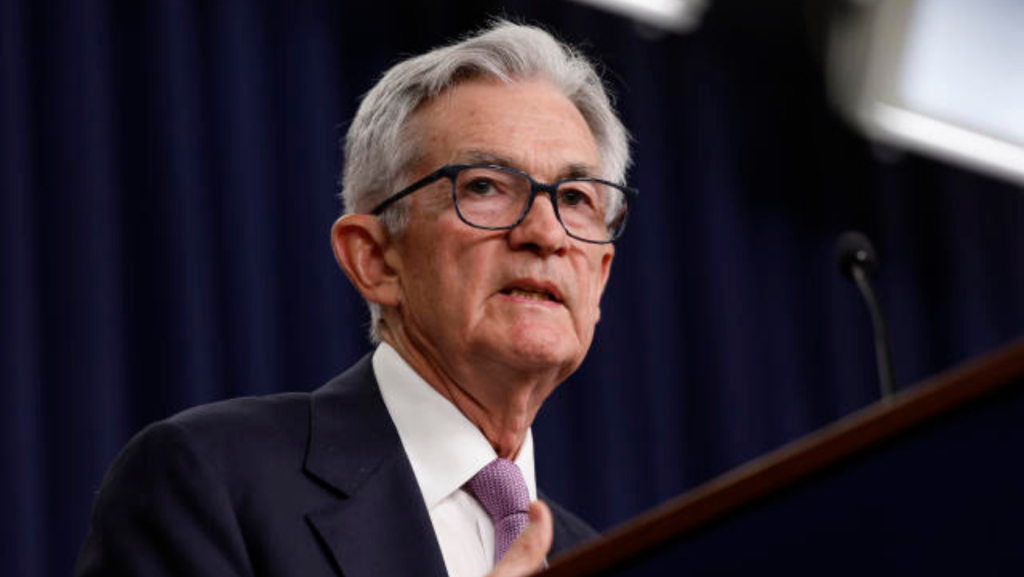
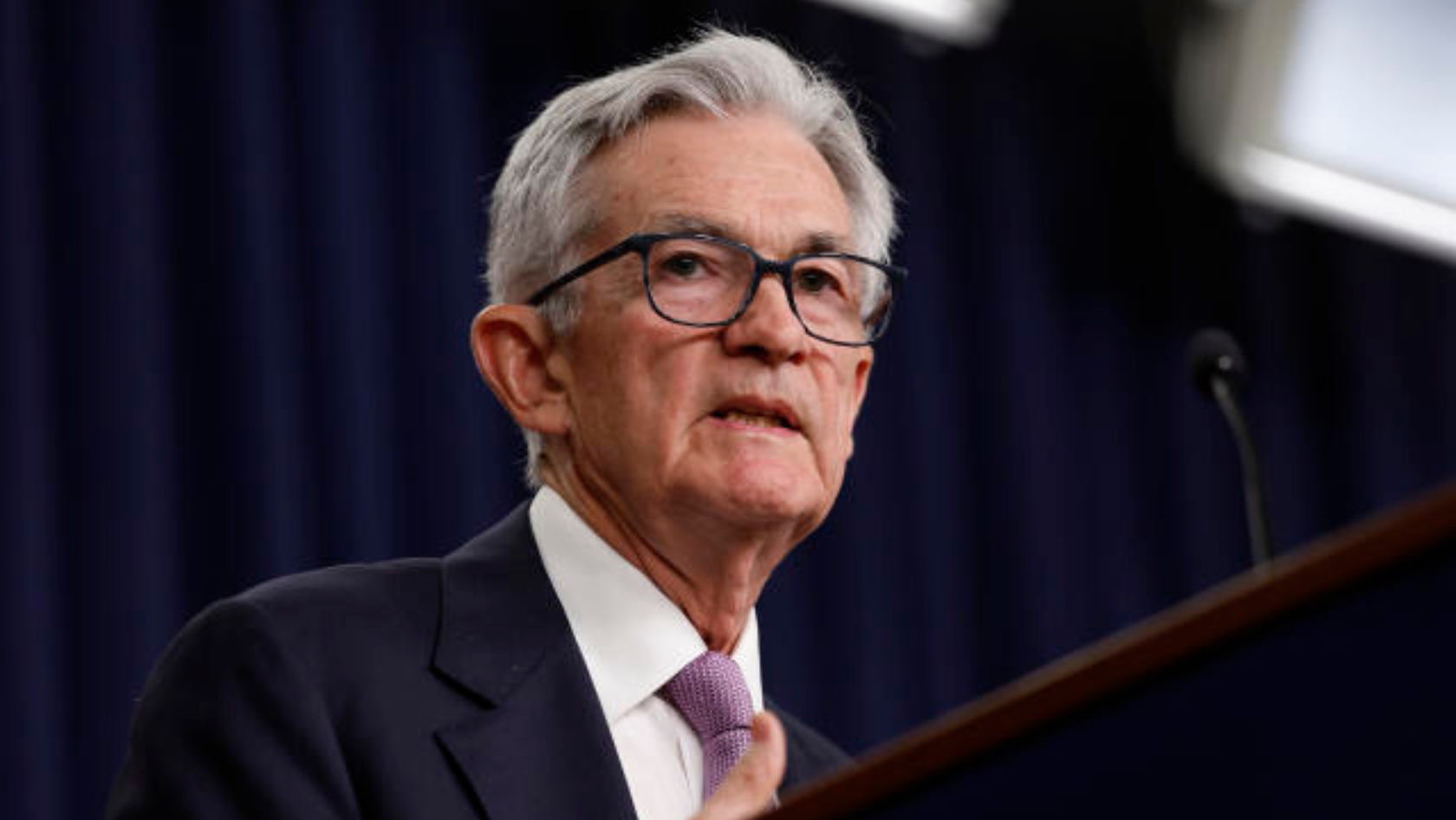
- At the National Association for Business Economics meeting on September 20, 2024, Federal Reserve Chair Jerome Powell indicated that further interest rate cuts are expected this year.
- He emphasized that inflation in core goods and non-housing services has returned to pre-pandemic levels, but housing services inflation remains elevated.
- Powell noted that a gradual decline in housing inflation is expected over the next few years as long as rent prices continue to slow.
During his speech at the National Association for Business Economics (NABE) meeting on Monday, Federal Reserve Chair Jerome Powell signaled that while further interest rate cuts are likely this year, they will be smaller and more measured than previous moves.
Powell emphasized that the Fed is “not on any preset course” and outlined the balance between managing inflation and supporting the labor market. He also noted that the recent half-percentage point cut does not set a precedent for aggressive future actions.
During his opening statement, Powell noted that “outside of housing services, core services inflation is also close to its pre-pandemic pace.” While housing services inflation is seeing a decline, it is at a much more sluggish pace. But, as long as the growth rate in rents remains low, Powell expects that “housing services inflation will continue to decline.”
Powell’s thoughts on the housing market were expanded upon in his Q&A with Morgan Stanley economist Ellen Zentner, where housing inflation was specifically addressed.
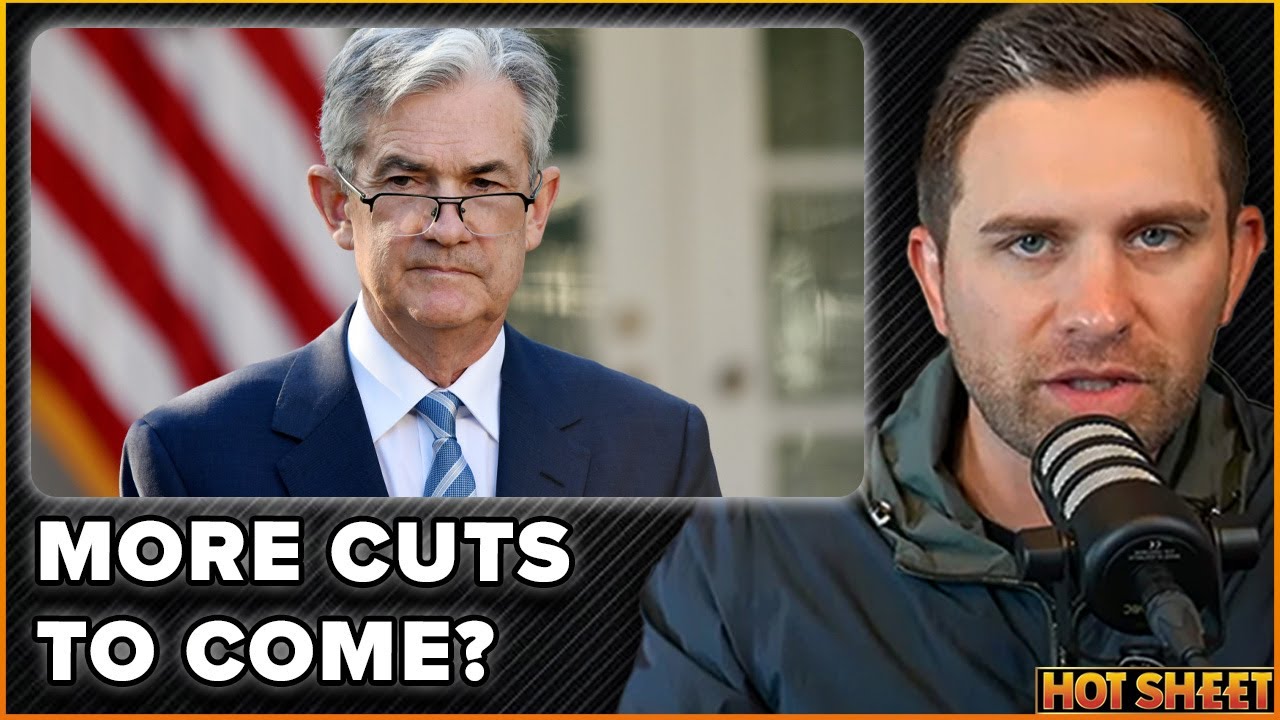
Watch today’s Hot Sheet for a complete breakdown of Powell’s comments. And keep reading for the questions and answers related to housing during yesterday’s NABE annual meeting.
Housing Inflation Remarks from Powell’s Q&A Session with Morgan Stanley economist Ellen Zentner
When it came to a discussion about housing, Zentner began by asking how housing inflation, a significant contributor to overall inflation, factors into the Fed’s decision-making. Powell explained that while core inflation in goods and non-housing services has returned to pre-pandemic levels, housing services inflation remains elevated but is expected to gradually decrease over the next few years as market rents stabilize.
Question from Zentner [20:52]
“I’m so glad that someone submitted a question on housing inflation. I’m sure you’re so glad as well. And so I’m going to ask it because we haven’t really talked about inflation yet. You made a great point in your prepared remarks that the three-month annualized pace is running right around 2%. So, housing inflation has been a large contributor to the overall inflation and continues to be an issue throughout the country, eroding wage gains and, although housing costs are not a dual mandate, how is the housing market factored into decision making?”
Powell’s response [21:28]
“So, you know, we think of core inflation as three buckets: Goods inflation, Non-Housing Services, which is by far the biggest bucket, and then Housing Services—and that’s rents and also owner’s equivalent rent. The first two have looked like they’ve, broadly speaking, moved back to their pre-pandemic level. Housing Services inflation has not yet. And what’s happened—what should happen is—when the increase in market rents drops to a low level, as it has, as leases turn over year upon year, you should see Housing Services inflation flatten out. And you are seeing that, but you’re seeing it just at a sluggish pace…
“So, I think I went from thinking at the beginning that this would happen fairly quickly to now thinking that that process will play out over a period of some years—two, three, four years. Nonetheless, as long as market rents, actual new leases are—as long as inflation in those rents/those leases is relatively low—it’s going to show up in Housing Services inflation as well…My guess is it’s just going to take longer than we’ve been expecting and longer than we’ve wanted. But I think, you know, the direction of travel is clear; as long as market rents remain market rate, inflation remains relatively low, which it still does.”
In a follow-up question, Zentner asked Powell how much the Fed relies on deflation in goods prices to help achieve overall inflation targets. Powell responded that while goods prices have returned to pre-pandemic levels of mild deflation, the key focus is bringing the aggregate inflation rate back to 2%. Progress in Goods and Non-Housing Services is already evident, but housing services inflation is still lagging behind.
Question from Zentner [22:57]
“So, the Goods side of that equation, Goods prices are less under the control of the Fed, but we have been sort of moving back to our previous regime of deflation and Goods prices. Some of that is probably sluggish growth from China, but how much do you rely on Goods prices being in deflation in order to help that overall aggregate inflation?”
Powell’s response [23:25]
“So, if you go back before the pandemic, you had, as you pointed out, mild deflation in goods for, you know, globalization reasons and other reasons…So, you take those three buckets I talked about, together, they produced inflation between 1.7 and 2%. So, we’re trying to get back to a world where inflation is 2% and…the combination of those three buckets is less important than the fact that you get the aggregate back. So I just pointed out that Goods inflation is kind of back to where it was, and so is Non-Housing Services and that’s most of the inflation bucket. But the third one is not there. Any combination of those things will do, but I think it really looks like the third overtime is going back down to where we would like it to be, which is at a level, which won’t be 2%. It’ll be a little higher than 2%, but that will make the aggregate 2%, right in the range of 2%.”
For more, watch Jerome Powell’s full speech and Q&A at the NABE annual meeting here.