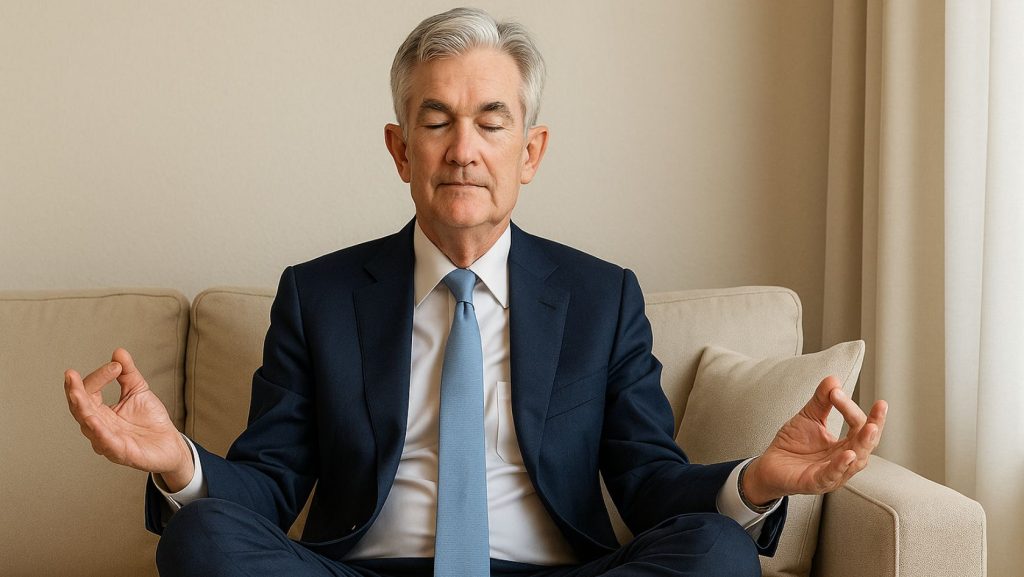
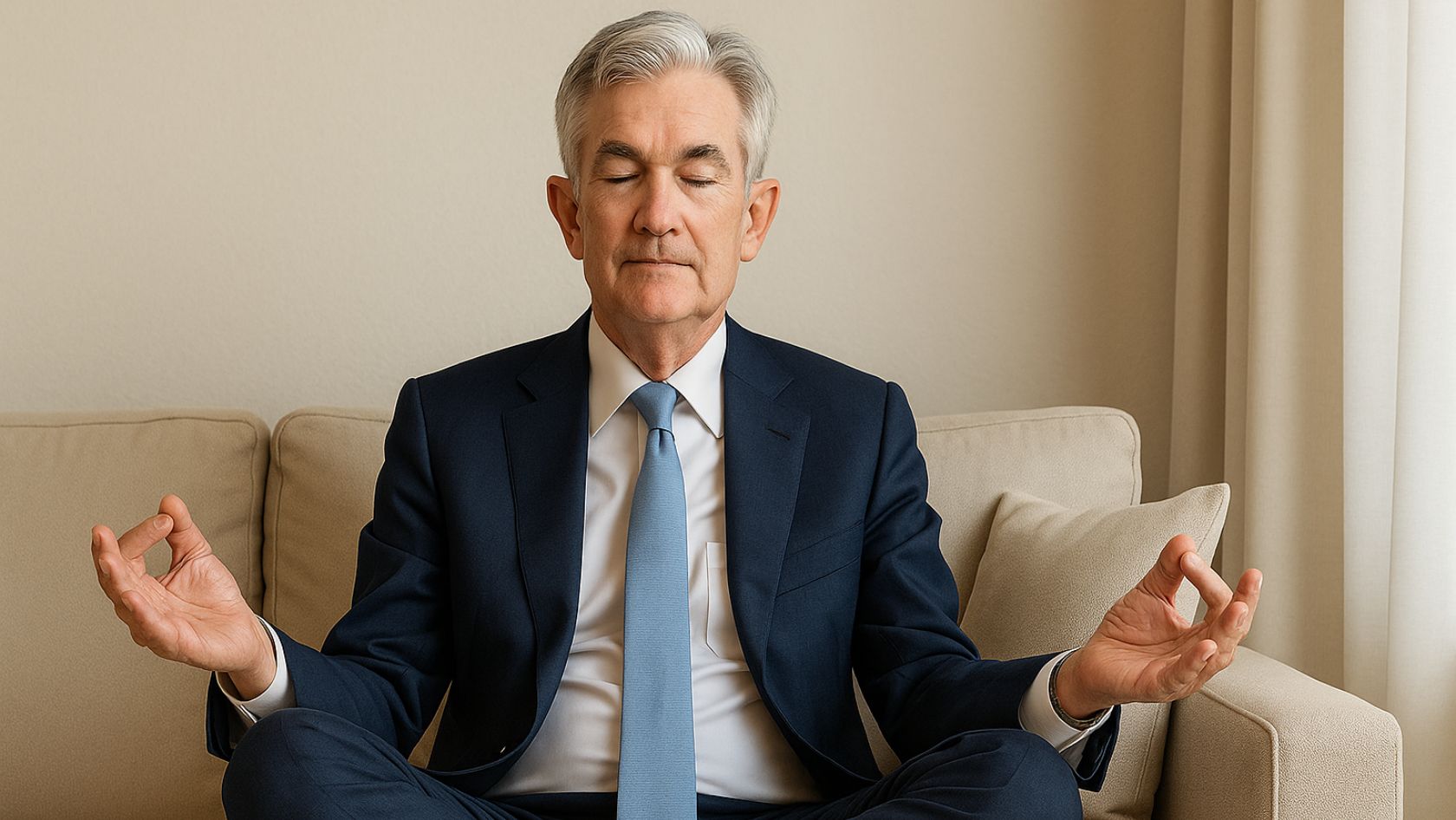

The Federal Reserve wrapped up its May 7, 2025, meeting with a decision to hold the line on its target interest rate range of 4.25% to 4.5%. Citing steady economic activity, low unemployment, and sticky inflation, the Fed opted to wait for more data before making any bold moves. In other words: all eyes are on the numbers.
Byron Lazine broke down the latest policy decision and what it means for the housing market on today’s Hot Sheet:

Policy Outlook: More Data Needed
The Fed is doubling down on its dual mandate of maximum employment and a 2% inflation target. Fed Chair Jerome Powell made it clear that future rate changes will be data-driven and the Fed will avoid preemptive cuts.
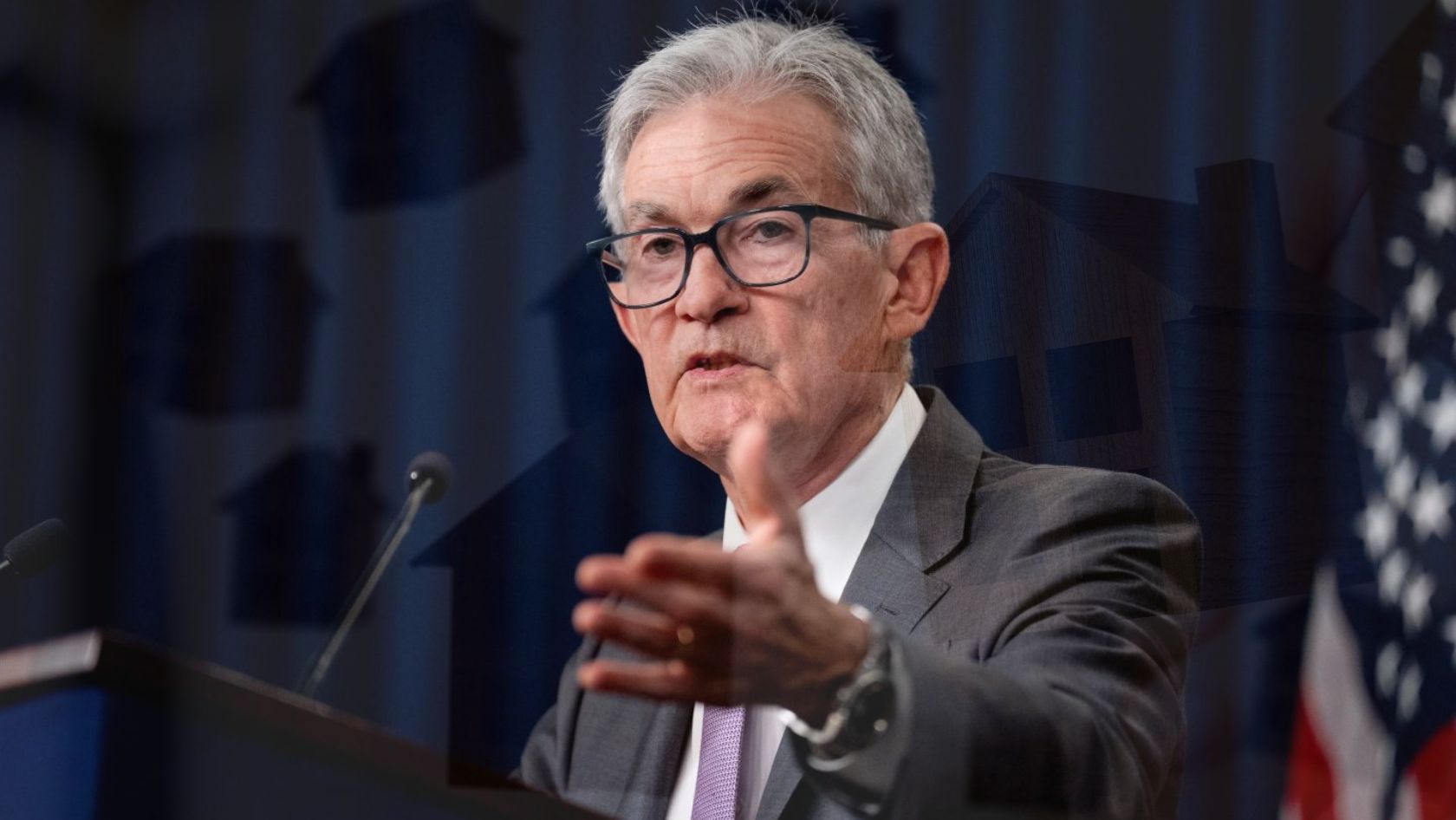
In terms of preemption, I think you can look back at the 2019 cuts as preemptive. I wouldn’t say that what we did last fall was at all preemptive. If anything, it was a little late.
Current Economic Outlook
Powell’s opening statement painted a picture of economic resilience with notable caution signs. Consumer spending showed some moderation, while business investment rebounded from Q4’s sluggishness. However, sentiment among households and businesses has taken a hit, with rising uncertainty tied to global trade policies:
[01:43] “Within PDFP, growth of consumer spending moderated while investment in equipment and intangibles rebounded from weakness in the fourth quarter.
“Surveys of households and businesses, however, report a sharp decline in sentiment and elevated uncertainty about the economic outlook, largely reflecting trade policy concerns. It remains to be seen how these developments might affect future spending and investment.”
What the Fed Is Watching
The Fed’s key watchlist includes:
- Labor market conditions
- Inflation pressures and expectations
- Financial and international developments
Powell was adamant about the importance of incoming data to guide decisions, signaling a wait-and-see approach until the numbers demand otherwise.
Remarks from Powell’s Q&A Segment
During the Q&A segment of the press conference, Powell reiterated that waiting is less costly than moving too soon, citing the economy’s resilience and ongoing global negotiations.
[9:42] Response from Jerome Powell
“Well, I think the underlying inflation picture is good. It’s what you see, which is inflation now running a bit above 2%. And we’ve had basically decent readings in housing services and nonhousing services, which is a big part of it. So that part, I think, is moving along well.
“But there’s just so much that we don’t know…and we’re in a good position to wait and see is the thing. We don’t have to be in a hurry. The economy has been resilient and is doing fairly well. Our policy is well-positioned. The costs of waiting to see further are fairly low, we think. So that’s what we’re doing.
“And we’ll see, the administration is entering into negotiations with many countries over tariffs. We’ll know more with each week and month that goes by…about where tariffs are going to land, and we’ll know what the effects will be when we start to see those things. So we think we’ll be learning. I can’t tell you how long it will take, but for now it does seem like it’s a fairly clear decision for us to wait and see and watch.”
[10:54] Follow-up question from Nick Timiraos
“So when you say that you don’t need to be in a hurry, does that mean that, could the outlook change in such a way that a change in your stance could be warranted as soon as your next meeting?”
[11:04] Response from Jerome Powell
“As I said, we are comfortable with our policy stance. We think we’re in the right place to wait and see how things evolve. We don’t feel like we need to be in a hurry. We feel like it’s appropriate to be patient. And when things develop, of course, we have a record of we can move quickly when that’s appropriate. But we think right now the appropriate thing to do is to wait and see how things evolve. There’s so much uncertainty. If you talk to businesses, market participants, or forecasters, everyone is just waiting to see how developments play out. And then we’ll be able to make a better assessment of what the appropriate path for monetary policy is. So we’re not in that place…and I can’t really give you a timeframe on that.”
In addition, Powell addressed questions around the pessimistic tone in the Beige Book, highlighting that while businesses and households are increasingly cautious, it hasn’t yet translated into significant economic data.
Despite the cautious tone, Powell noted that consumer spending remains healthy, suggesting resilience amid broader concerns.
[20:47] Response from Jerome Powell
“It may well, it just hasn’t shown up yet. And we all look at all these sentiment and read many, many individual comments just to get a better feel. And businesses and households, very broadly, are concerned and postponing economic decisions of various kinds.
“And yes, if that continues, (if) nothing happens to sort of alleviate those concerns, then you would expect that to begin to show up in economic data. It wouldn’t maybe show up overnight, but it would show up over weeks and months. And that may be what happens, but it hadn’t happened yet. And also, there are things that can happen that will change that narrative. I mean, they haven’t happened, but it’s possible to imagine things…But in the meantime, yes, we’re watching it extremely carefully, like everyone is, but don’t see really much evidence of it in actual economic data yet.
“And by the way, consumers keep spending credit card spending, it’s still a healthy economy, albeit one that is shrouded in some very downbeat sentiment on the part of people and businesses.”
Final Thoughts
Powell didn’t address housing specifically this time around, but is keeping an eye on household sentiment, along with unemployment and inflation. For now, the Fed is holding its cards, watching the data, and waiting for a clearer economic picture to emerge.