
For the first time in years, buyers aren’t fighting the same uphill battle everywhere.
In a new January 2026 report, Zillow ranked the most buyer-friendly housing markets among the 50 largest U.S. metros, highlighting where affordability, softer competition, and future price upside are finally starting to line up.
The result is a housing map that looks very different from the pandemic boom years. Some metros are cooling just enough to create entry points, while others are still stretched thin by high prices and heavy demand.
Here’s what Zillow found, and what it means for how you talk about opportunity in 2026.
How Zillow Measured Buyer-Friendly Markets in 2026
Zillow didn’t just look for cheaper homes. The ranking focused on markets where buyers can realistically afford to enter, negotiate, and still see long-term value growth.
The analysis centered on three core indicators:
- Short-term price momentum using the Zillow Home Value Index (ZHVI), favoring markets with flat or cooling monthly trends
- One-year appreciation expectations through the Zillow Home Value Forecast (ZHVF)
- Competition levels using the Zillow Market Heat Index, which tracks factors like days on market and the share of listings with price cuts
Affordability was calculated by measuring how much of a median household’s income goes toward a typical mortgage, assuming a 20% down payment.
In plain terms: Zillow rewarded markets where prices aren’t overheating, competition is easing, and buyers still have upside ahead.
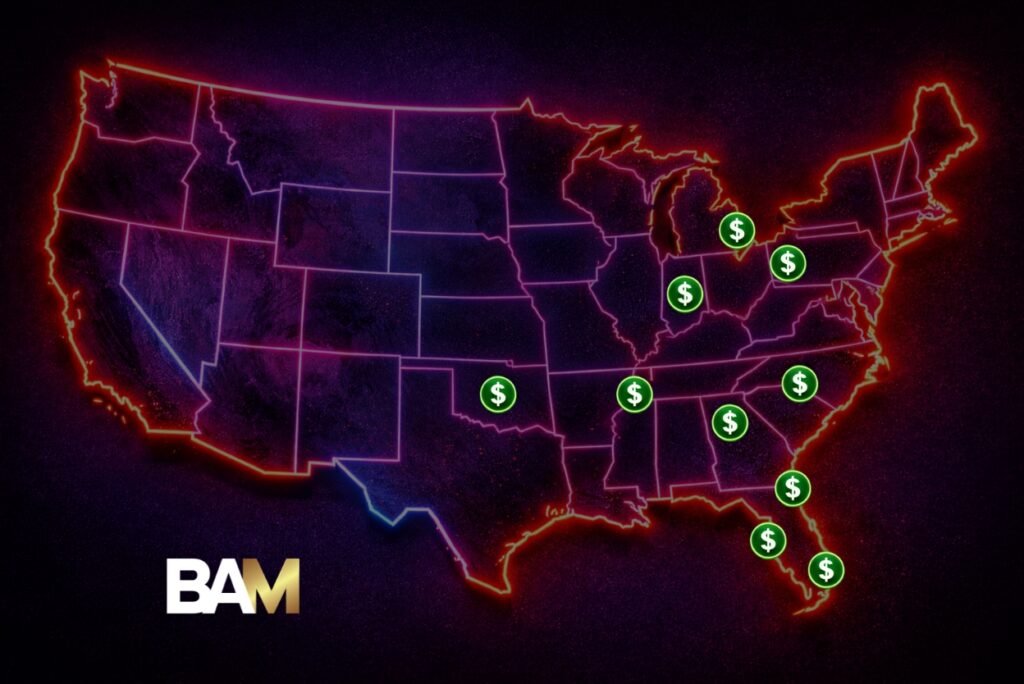
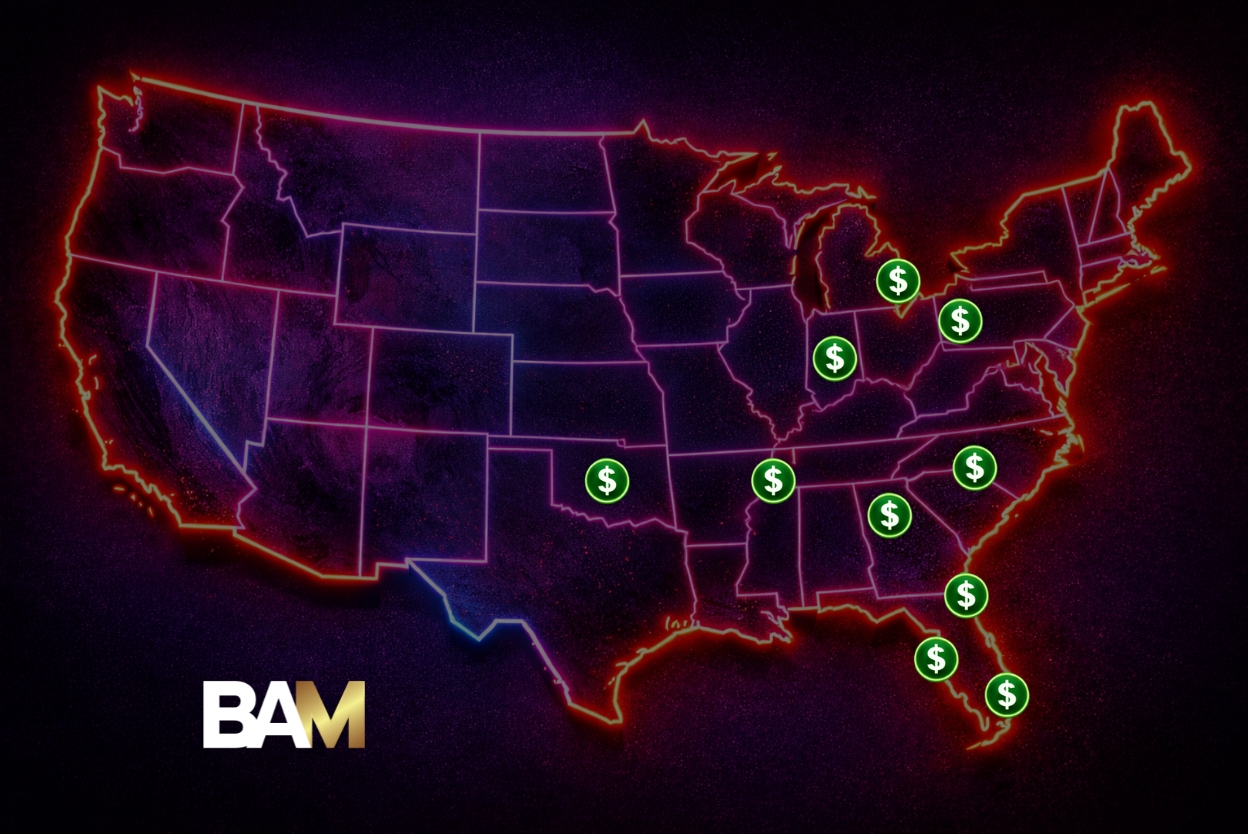
Zillow’s Top 10 Markets for Homebuyers in 2026
Zillow’s highest-ranked metros combine relative affordability with less pressure at the negotiating table and projected price growth.
Here are the 10 most buyer-friendly housing markets of 2026, with the share of income needed for a typical mortgage included:
- Indianapolis, IN (26.9%)
- Atlanta, GA (30.5%)
- Charlotte, NC (31.3%)
- Jacksonville, FL (32.2%)
- Oklahoma City, OK (26.8%)
- Memphis, TN (27.5%)
- Detroit, MI (25.9%)
- Miami, FL (46.7%)
- Tampa, FL (35.2%)
- Pittsburgh, PA (22.2%)
Indianapolis topped all 50 metros, pairing a typical home value of $283,040 with forecasted 2.9% appreciation and one of the lowest affordability burdens in the ranking.
What stands out across the list is how many markets still sit near or below the long-used 30% income benchmark. In 5 of the top 10 metros, a median household can afford a typical home while staying under that threshold.
What the Strongest Buyer Markets Have in Common
Zillow’s buyer-friendly metros aren’t scattered randomly across the map. Clear regional patterns are emerging. Most of the top 10 fall into two broad categories:
- Midwest markets that avoided the steepest pandemic-era price spikes
- Sun Belt metros where new construction helped inventory recover faster
That combination kept affordability from breaking completely while easing competition.
In practical terms, buyers in these markets are seeing:
- More listings staying active longer
- Higher shares of homes with price cuts
- Monthly price growth flattening around 0.0% to 0.4% in many metros
- Forecasted annual appreciation still running between roughly 1.5% and 3%
The market is settling into a more balanced phase, with cooling price growth and negotiation power gradually shifting back toward buyers.
Where Buying Is Still a Stretch in 2026
Not every market is getting the same relief. High-cost coastal metros are still the least buyer-friendly in Zillow’s ranking, even where price growth has cooled.
Some of the toughest affordability conditions include:
- San Jose, CA: $1,543,938 typical home value, 62.6% of income for a mortgage
- San Francisco, CA: $1,094,164, with 56.4% of income required
- Los Angeles, CA: $936,939, consuming 67.0% of median income
- San Diego, CA: $913,286, with 57.3% of income going to housing
Several of these markets are even seeing forecasted price declines, including:
- Austin at -2.0%
- New Orleans at -3.8%
- Denver at -1.0%
Instead of balanced opportunity, these metros are navigating affordability strain alongside uncertain price trajectories.
What This Shift Means for the 2026 Housing Conversation
Zillow’s rankings point to a housing market that’s no longer moving as one national story.
Some buyers are stepping into calmer conditions with room to negotiate and build equity. Others remain priced out or stuck in ultra-competitive environments.
In 2026, housing outcomes are being driven almost entirely by local market dynamics, with each metro telling a very different story for buyers.
Markets like Indianapolis, Oklahoma City, Detroit, and Memphis show what a healthier balance can look like when price growth cools without collapsing and inventory finally catches up.
And markets like San Jose, Los Angeles, and San Francisco remind us how far affordability still has to go.
The housing reset isn’t happening evenly. But in many metros, buyers finally have breathing room again.