
Most agents treat closing day like the finish line.
Keys are handed over, photos are taken, and everyone leaves the neighborhood.
But for a buyer’s agent, the 20 minutes after the final walkthrough can be one of the easiest moments to create new conversations on the same block.
During a BAM webinar last month, Krys Benyamein shared a practical, field-tested strategy that agents can use immediately. It requires no budget and no prep (beyond a greeting card), and it gives you a natural reason to meet nearby homeowners without sounding like you’re prospecting.
Now, a month later, agents are still running it, refining it, and asking how to get even more out of it.
Inside BAM, it’s now known as the “Meet Your Neighbors” card, and it’s one of the simplest post-closing plays you can add to your routine this week.
View this post on Instagram
How to Run the “Meet Your Neighbors” Card Strategy
This is a simple, repeatable post-closing routine you can run every time you help a buyer move into a new neighborhood.
Step 1: Bring the card with you to the final walkthrough
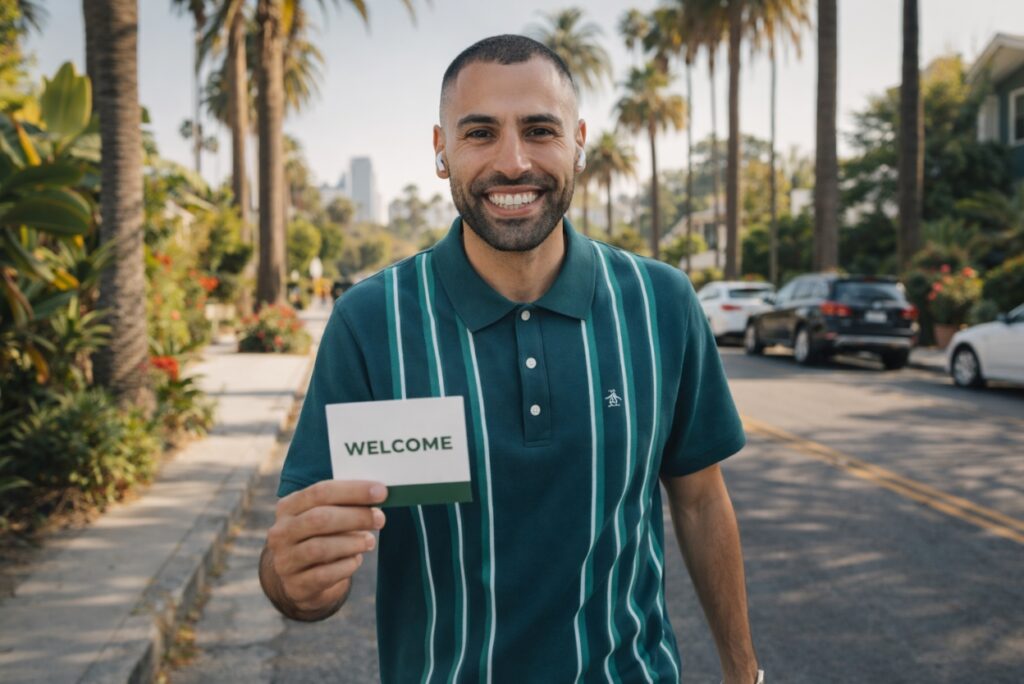
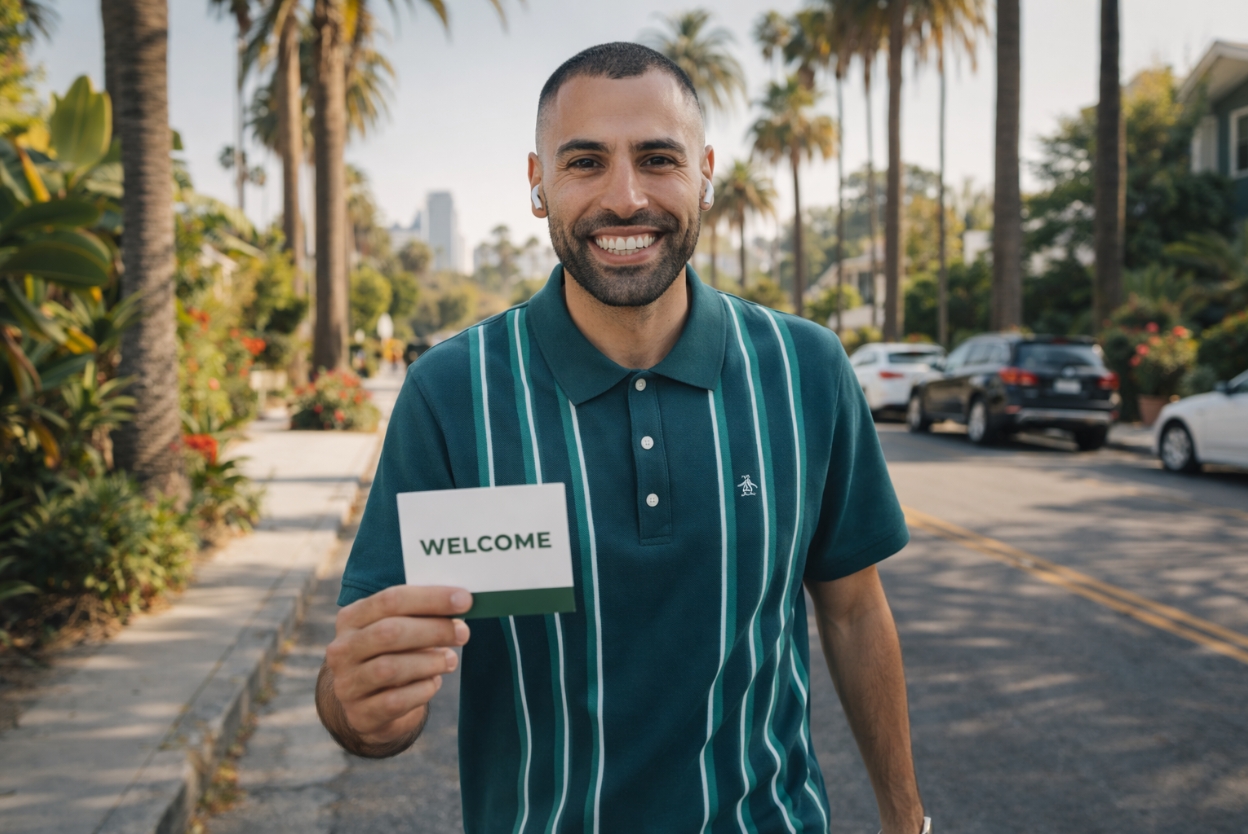
Pick up a plain, blank card ahead of time. No branding, no “thank you,” no congratulatory message. You want something neutral that neighbors can sign. Keep it in your car or your bag so it’s ready on closing day.
Step 2: Start immediately after your buyers leave
Once the final walkthrough wraps and your clients head out, take 20–30 minutes before leaving the neighborhood. This window is ideal because the move-in energy is fresh, and it feels natural to be introducing the new homeowners.
Step 3: Knock a tight radius around the home
Krys’s recommended pattern is simple and easy to remember:
- Five homes to the right
- Five homes to the left
- Five across the street
- Two or three directly behind
You’ll end up at roughly 12–15 doors, which is enough to make a strong first impression on the immediate block without turning it into an all-day activity.
Step 4: Use a short, direct script
Keep the conversation focused on welcoming your buyers, not promoting yourself. When someone answers, the script can be as straightforward as:
“Hey, did you see the house next door just sold? My name’s [your name]. I helped the buyers who are moving in. I’m trying to welcome them to the neighborhood. Would you sign their welcome card?”
This is a closing-day play you can run every time you help a buyer move into a new neighborhood.
Once you’ve knocked on the doors and gathered a few signatures, the immediate goal is done. You’ve introduced yourself and welcomed your buyers.
But the real opportunity isn’t the signature.
It’s what happens in the final 30 seconds of each conversation.
There’s usually a pause. A lingering question. A neighbor who keeps talking. That small window where the interaction could either end politely, or turn into something more lasting.
The challenge is knowing how to move forward without shifting the tone. The moment you sound like you’re prospecting, the entire dynamic changes.
So how do you stay connected without making it salesy?
A Low-Stakes Way to Stay Connected
This exact question came up during yesterday’s live BAMx Office Hours session with Krys.
Nathan, a BAMx member on the call, just helped a buyer close on a home and is about to try the card strategy for the first time. His question wasn’t about knocking the doors. It was about what happens after. How do you extend the interaction without turning it into a pitch?
Krys’s answer was simple: don’t change the tone.
Bring business cards with you, but don’t lead with them. Don’t attach them to the card. Don’t hand them out automatically. The purpose of the interaction is to build familiarity, not extract a lead.
Instead, look for a natural moment to stay connected.
One of the ways Krys does this is by asking for a social media handle rather than a phone number. It feels lighter. It’s less intrusive. And it keeps you visible in the neighborhood over time.
The phrasing matters.
Instead of asking, “Do you have Instagram?” he asks:
“I do a lot of work in this neighborhood. What’s your Instagram handle? I’ll follow you right now.”
He opens his phone as he says it. It’s casual. Assumptive, but not aggressive. The tone stays neighborly.
If they share it, great. You’re now connected in a way that keeps you on each other’s radar. If they don’t, nothing is awkward. The interaction still stands on its own.
That is exactly the kind of detail that tends to surface in live BAMx mastermind sessions. It’s where agents bring real scenarios and go deeper into the strategies that are actually usable in the field.
And that’s usually the difference between trying something once and building it into your routine.
Once you’ve run this a few times, you’ll notice something subtle: you’re no longer “the agent who closed one deal here.” You’re the agent neighbors have met. The one who knocked. The one who welcomed the new buyers. That recognition compounds.
The Real Play Isn’t the Card. It’s the Visibility.
Agents who’ve already tried this are seeing the same thing: neighbors are receptive, buyers love the gesture, and conversations start without forcing them. Some have documented knocking on doors and getting strong responses across the block. Others turned it into content that sparked new connections in their market.
But the real outcome isn’t the post or the signatures. It’s the familiarity you build in a neighborhood where you already have a transaction.
Run this after your next buyer closing, and you’ll notice the shift.
You’re no longer the agent who handled one deal there. You’re the agent that neighbors have met. The one who knocked. The one who welcomed the new homeowners.
That visibility compounds.
And the agents who consistently run small plays like this are the ones who feel more prepared, more recognized, and more confident walking into their next conversation.
All you have to do is bring a card to your next closing and run the play.