
Here’s the headline most consumers are seeing: the median home price nationwide is $402,300, a 3.4% increase year-over-year. In fact, 38% of metro markets—189 out of 228—posted home price gains in the first quarter of 2025.
Those stats alone can cause buyers to freeze.
But when you look at the whole picture, there’s more to the story.
Home Prices Keep Climbing
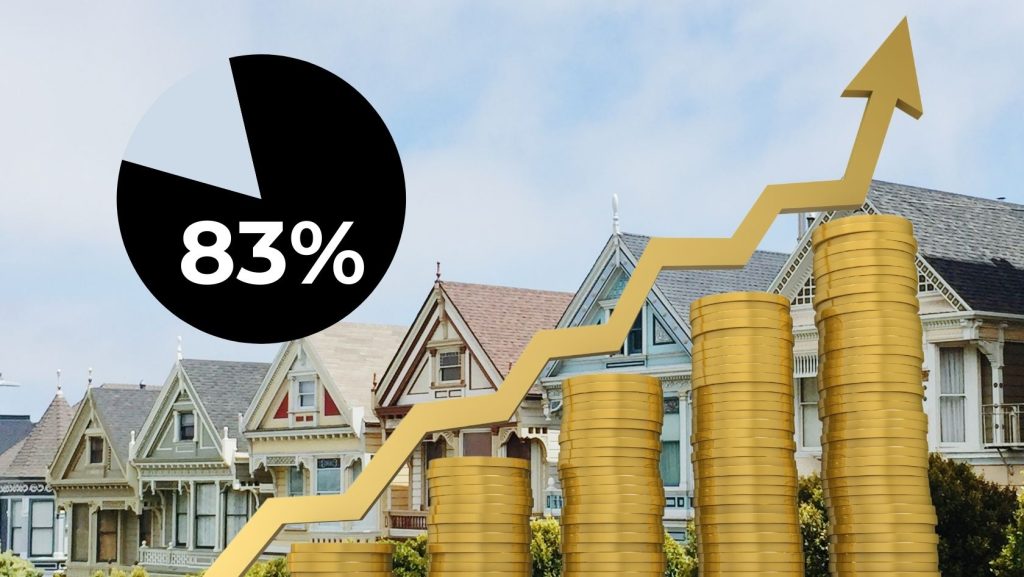
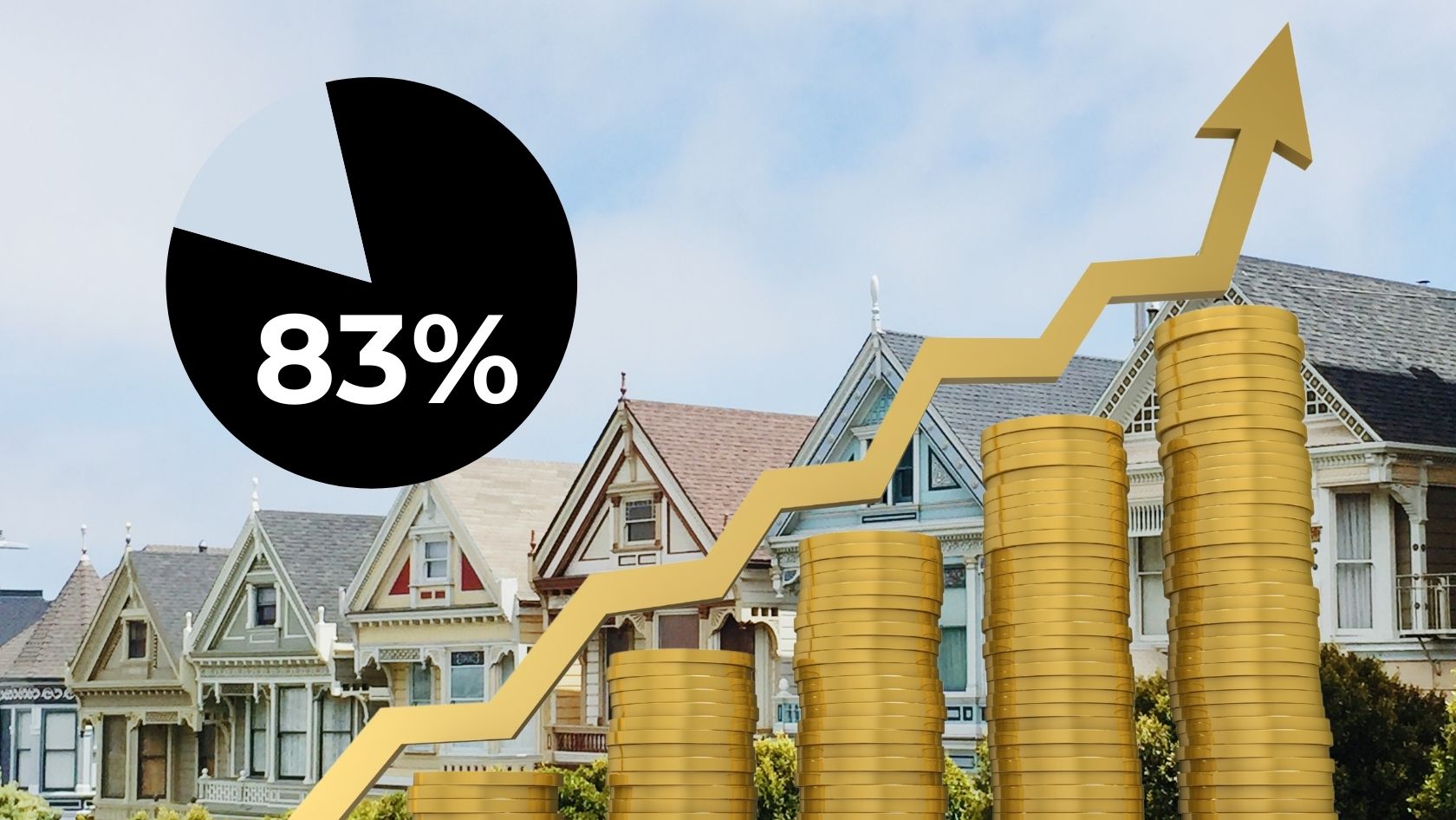
According to the National Association of Realtors® (NAR) first quarter report for 2025, more than 80% of metro markets saw home price gains year-over-year. Yes, that’s down slightly from 89% last quarter to 83%, but the overall trend is still upward.
The real shift is that fewer markets are seeing double-digit price jumps. In Q1, only 11% of markets (26 in total) hit that mark, down from 14% last quarter.
According to NAR Chief Economist Lawrence Yun:
“Most metro markets continue to set new record highs for home prices. In the first quarter, the Northeast performed best in both sales and price gains by percentage. Despite the stronger job additions, the South lagged with declining sales and virtually no price appreciation.”
The Northeast led all regions with a 10.3% year-over-year price jump, followed by the Midwest at 5.2% and the West at 4.1%. Meanwhile, the South, which accounts for nearly half of all home sales (44.9%), posted a minimal 1.3% bump.
It’s not all appreciation everywhere, though. Nearly 17% of markets (38 of 228) saw price declines in Q1, up from 11% in the previous quarter.
The Affordability Bright Spot
While the headlines are all about rising prices, there’s a quieter story playing out in affordability.
The monthly mortgage payment on a typical existing single-family home with a 20% down payment was $2,120 in Q1 2025. That’s down $2 from the fourth quarter of 2024 ($2,122)—small, but worth noting. Year-over-year, the typical monthly payment is up by $84, but the rate of increase is slowing.
Here’s where it gets interesting: even with rising home prices, homeowners are now spending 24.4% of their income on mortgage payments in Q1. This is down from 24.8% in the prior quarter and 24.5% one year ago. It’s a small shift, but it’s moving in the right direction.
First-time buyers saw similar improvements. For a typical starter home valued at $342,000 with a 10% down payment, the monthly mortgage payment was $2,079, down $2 from the prior quarter. They’re spending 36.8% of their income on mortgage payments, down from 37.4% last quarter.
These aren’t massive affordability breakthroughs, but they’re signs that the relentless upward pressure on payments might be leveling off, even as prices continue to climb.
Market Dynamics and Future Outlook
Yes, prices continue to rise in most markets, creating challenges for buyers. But slight improvements in affordability are helping to offset some of that pressure.
In a market where home prices seem stuck in an upward climb, shifting the conversation from sticker price to monthly payment—$2,120 for the average single-family home—is more helpful, because it allows the buyer to understand what it actually means for them. It’s not about avoiding the reality of price growth; it’s about showing that the situation isn’t deteriorating as rapidly as it was.
Sometimes, it’s the small wins that matter.