
We’ve all seen the inspiring stories of people stepping up to help during the LA wildfires. Some shelters are overflowing with volunteers, and donations have poured in to support those in need. But with evacuation orders for hundreds of thousands of residents—and more than 12,000 structures destroyed (at the time of this writing)—one of the biggest long-term challenges is housing.
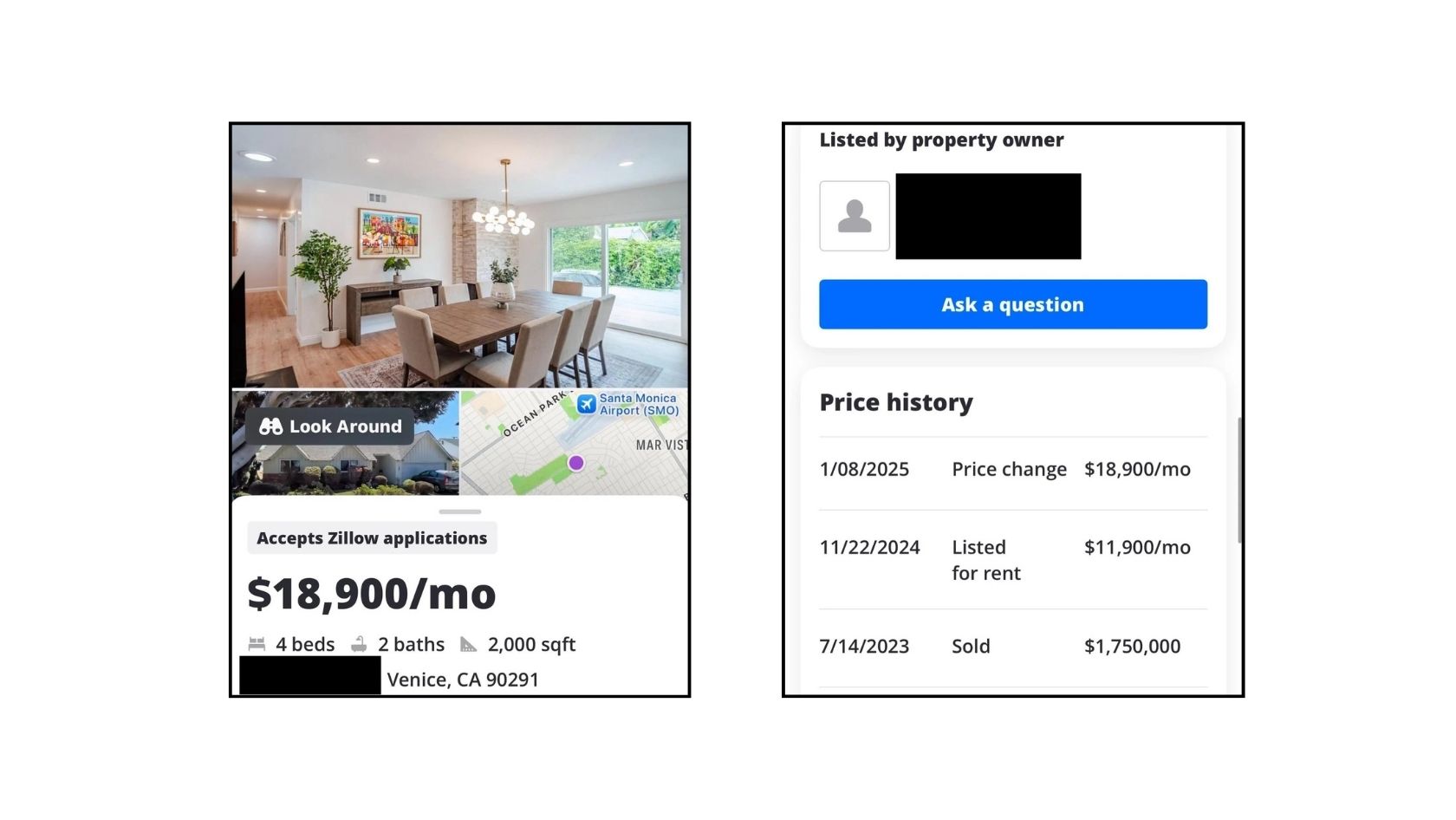
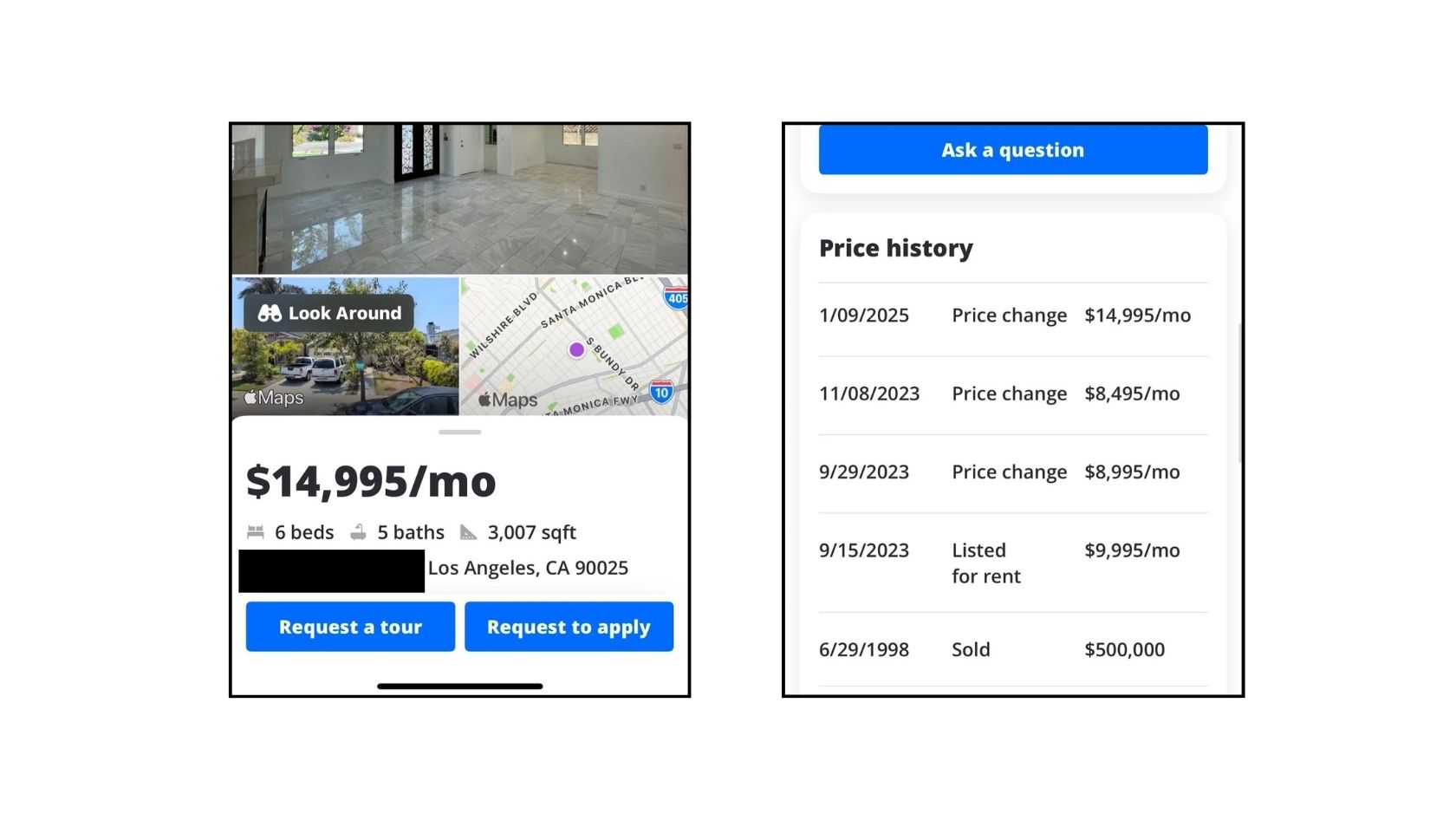
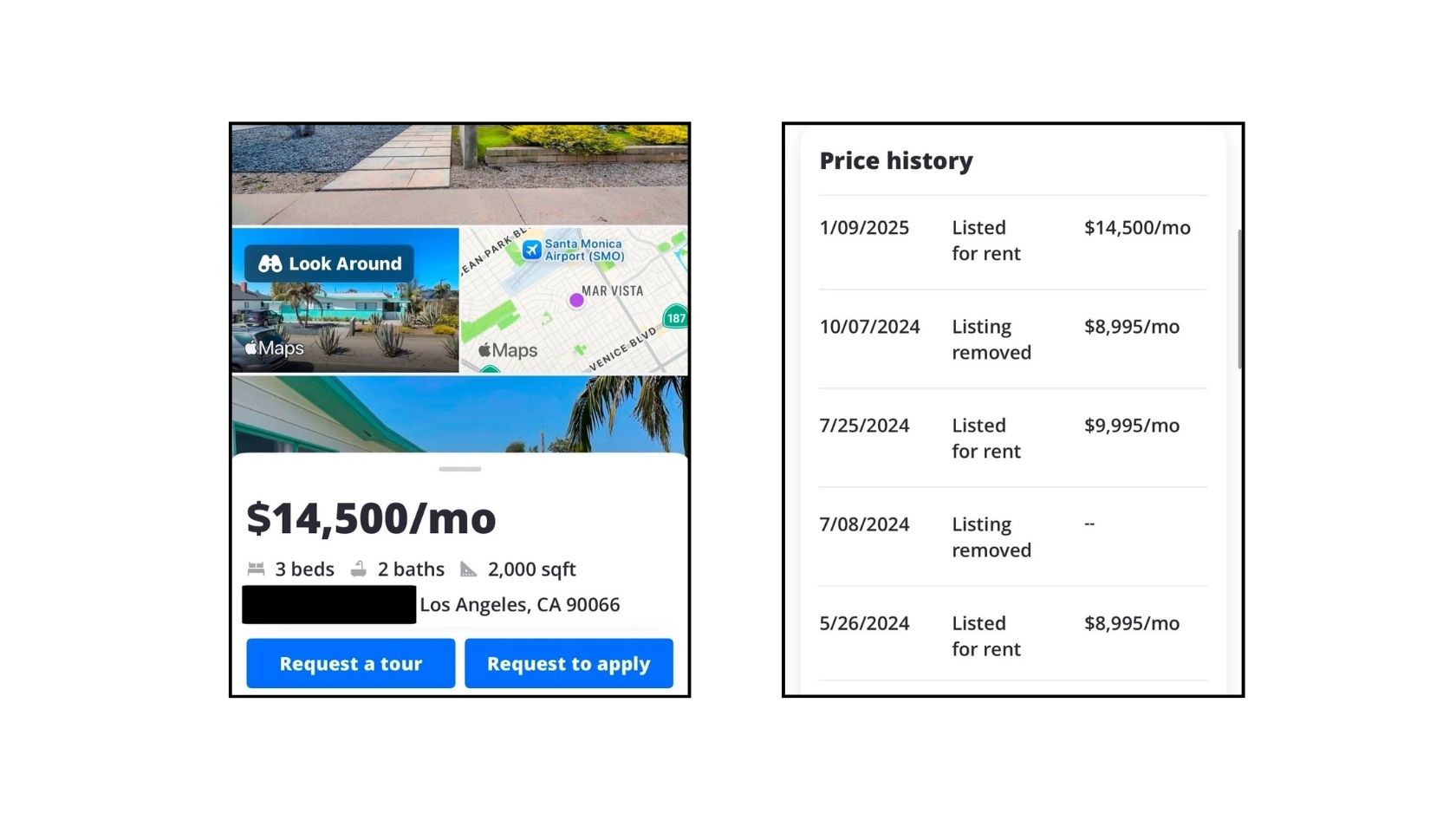
Unfortunately, not everyone is stepping up to help. In times of crisis, there are always a few who see an opportunity to take advantage. For many displaced families, price gouging on rentals has turned an already devastating situation into an even harder fight for stability.
Price Gouging in a Crisis
Price gouging, the practice of dramatically increasing prices for essential goods or services during emergencies, is illegal in California during declared states of emergency. LA County laws specifically prohibit increasing prices by more than 10% on items including:
- Food
- Repairs
- Construction
- Housing
- Emergency and medical supplies
- Gasoline
In addition, “Landlords cannot raise their month-to-month rent more than 10 percent in an emergency.”
These rules are designed to protect people from exploitation during crises. However, enforcement is challenging, especially in a housing market like Los Angeles, where demand is already high. For renters displaced by wildfires, finding affordable housing is harder than ever.
A Broader Perspective on Price Controls
While price gouging laws aim to protect consumers, they can have unintended consequences long-term. California Governor Gavin Newsom recently highlighted efforts to extend price-gouging protections, tweeting:
NEW: Just issued an Executive Order that will allow victims of the SoCal fires to not get caught up in bureaucratic red tape and quickly rebuild their homes.
We are also extending key price gouging protections to help make rebuilding more affordable.
— Gavin Newsom (@GavinNewsom) January 12, 2025
Critics argue that, while well-intentioned, these measures may ultimately worsen the housing crisis. David Friedberg, entrepreneur and businessman, noted that by capping prices, the market loses the incentive to attract out-of-town contractors and landlords willing to meet soaring demand.
capping prices to “protect consumers” will do extraordinary harm and limited good.
let markets be free.
the demand for homebuilding will skyrocket in LA, causing service providers to rush in from out of town and out of state as demand and prices climb. these providers will… https://t.co/erjqkHkdWt
— david friedberg (@friedberg) January 12, 2025
The Reality on the Ground
As thousands of LA residents scramble for housing, many are encountering severe price increases. Ben Belack, a real estate agent in Beverly Hills, called out the issue in an Instagram video.
A Reddit thread highlights this issue further, with images showing rental prices nearly doubling overnight in some areas.
Impacts on LA’s Housing Market
The wildfires have worsened an already dire housing situation in Los Angeles. Sean Roberts, CEO of Villa, told Fortune, “The LA housing market was already tight and undersupplied prior to the fires, so this will inevitably lead to increased rental housing costs in the immediate term.”
With nearly half a million low-income households unable to afford housing in 2024, displaced families now face even greater financial hurdles.
Los Angeles rents are notoriously high, averaging $2,498 per month, compared to the national average of $1,748. The housing supply is also critically short, with a deficit of 500,000 units. This tight market leaves renters with few affordable options as they compete for limited inventory.
Long-term concerns extend beyond immediate rental price hikes. Experts predict it could take years to rebuild the destroyed housing stock, leaving displaced families in limbo. Construction workers tasked with rebuilding will also require temporary housing, adding further strain to the market. As seen after Hurricane Katrina, natural disasters often lead to prolonged housing inflation. In New Orleans, rents rose by 33% in the years following the hurricane, a grim precedent for LA renters.
“Unfortunately, natural disasters tend to put a lot of inflationary pressures on the housing market,” said Selma Hepp, Chief Economist at CoreLogic. With rebuilding efforts stretching into the years ahead, the long-term impact on Los Angeles’ housing market is shaping up to be profound and costly.