
BAM Key Details:
- Realtor.com reports fewer than 30,000 short sales closed in the US in 2025, just 0.6% of typical home sales and 28% of distressed sales.
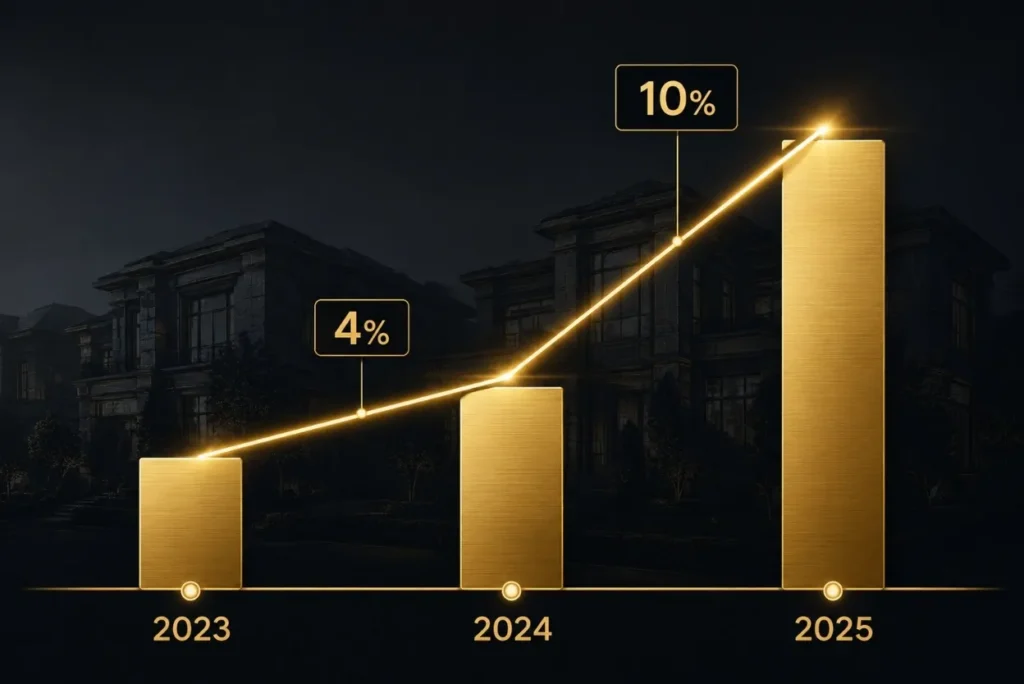
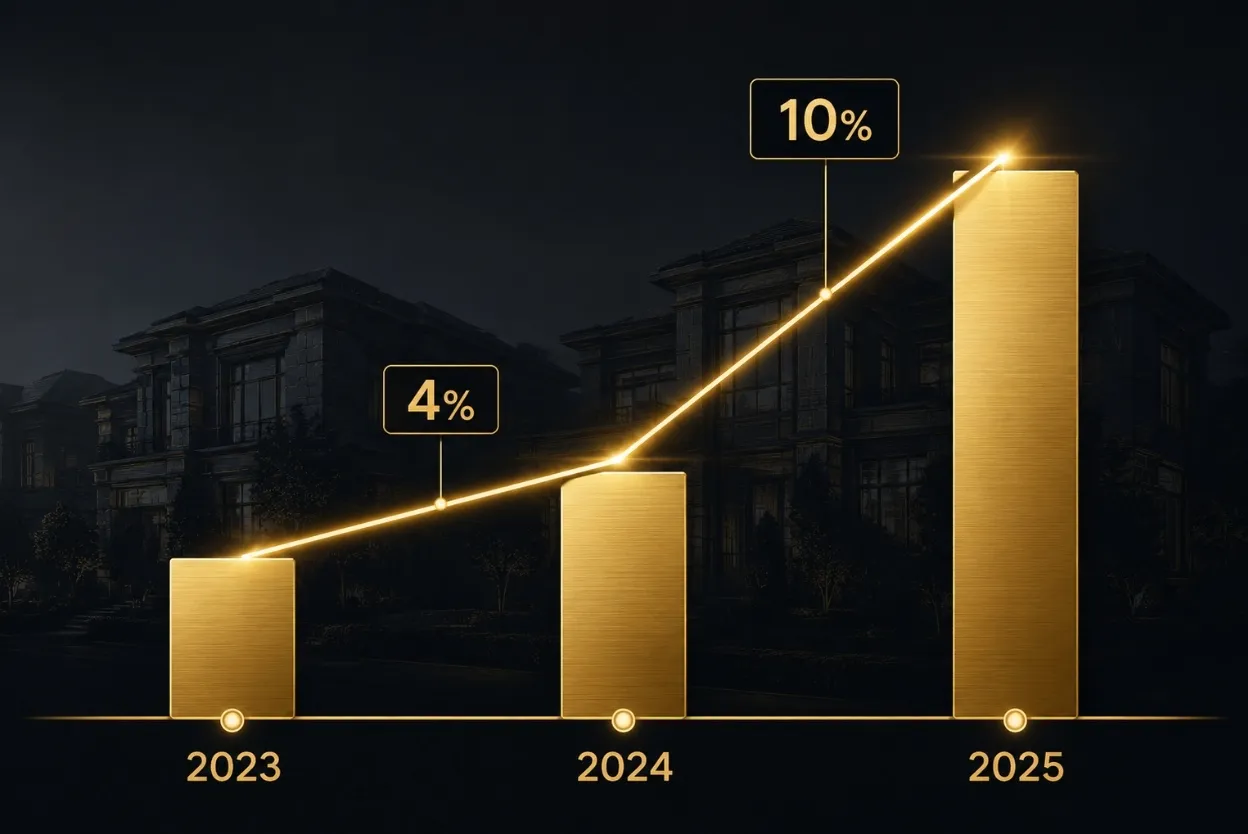
- Short sale transactions grew 4% in 2024, nearly 10% in 2025, and about 16% year over year in early 2026.
- Distressed homes now sell for roughly 9% more of their value as a short sale than as a foreclosure, reversing a discount pattern that held for nearly a decade.
Fewer than 30,000 short sales happened in the U.S. in 2025, about 0.6% of all home sales. But that number has grown for three straight years now.
For nearly a decade, short sales sold at a bigger discount than foreclosures. That changed in January 2026.
New Realtor.com data shows what’s driving the growth in short sales and what the pricing reversal means, even as short sales remain rare.
Here’s what the data says and what it could mean for your conversations with homeowners.
3 Years of Growth for Short Sales
Short sales grew at an annual rate of 4% from 2023 to 2024, then 10% from 2024 to 2025.
In Q1 2026, short sales grew by about 16% year over year.
The market for short sales is still tiny. Fewer than 30,000 short sales happened in the U.S. in 2025, roughly 0.6% of all typical home sales and 28% of distressed sales. Short sales still trail foreclosures by more than two to one.
Realtor.com chief economist Danielle Hale offered some context for the growth in short sales:
“Even in a strong economy with home prices close to record highs, a small segment of households find themselves facing tough circumstances. The good news for struggling homeowners is that they have more options now than in previous decades. A short-sale can be complicated and requires borrowers to act before the bank forces their hand; however, it benefits them by shortening the waiting period before they can qualify for a future mortgage.
“Foreclosures are the more common outcome, but borrowers facing difficulty should consider all of their options. Engaging with a Realtor agent who specializes in these transactions can be a smart move.”
Short Sales Now Sell at a Smaller Discount vs Foreclosures
Starting in January 2026, short sales began selling at a smaller discount than foreclosures.
It’s the first time this has happened since Realtor.com started tracking these valuations in 2018.
Distressed homes now sell for roughly 9% more of their estimated value as a short sale than as a foreclosure. For most of the past decade, foreclosed homes sold in a steady range, 25% to 30% below estimated value, year after year.
Short-sale discounts swung much wider:
- Around 30% in 2018
- Ballooning to 50% in 2022
- Narrowing to roughly 20% by early 2026
The volatility comes down to timing. A foreclosed home gets priced by the lender the moment it sells, so its discount tracks the market in real time. A short sale gets priced earlier, while the homeowner still owns it, and often sits in pending status for months while the lender decides whether to accept less than it’s owed.
During the rapid price run-up of 2021 and 2022, homes appreciated faster than these drawn-out deals could close. That pushed short-sale discounts to their widest point. As price growth flattened in 2025 and 2026, that lag faded and the discount snapped back.
Research from the Federal Reserve Bank of Philadelphia on the 2007 to 2012 housing crash found short sales sold for roughly 9% to 10% more than comparable foreclosures during that period.
The current premium looks like a return to how these two sale types priced before the boom years distorted things.
Why Homeowners Still Pick Foreclosure & Where Short Sales Show Up
The pricing shift is unlikely to change how few homeowners choose a short sale.
A foreclosure lets them stay in the home without paying, for 592 days on average. For many, free housing outweighs the credit and timeline benefits a short sale offers.
A short sale is widely believed to be gentler on a seller’s credit than a foreclosure, though credit bureaus score the two similarly.
But a short sale does get a homeowner into a new mortgage sooner:
- About four years after a short sale
- About seven years after a foreclosure
The ratio of short sales to foreclosures has never reached parity since Realtor.com’s records began in 2006. It climbed when the 2010 Home Affordable Foreclosure Alternatives program pushed short sales as an option, then slid after that program ended in 2016.
It has settled at roughly four short sales for every ten foreclosures since.
Short sales also cluster differently from foreclosures, which concentrate in the country’s most affordable markets. Short sales are scattered across moderately priced metros in the West and Florida.
As of May 2026, the most short-sale listings were in:
- Miami
- New York
- Tampa
- Phoenix
- Houston
By share of listings, Lakeland, Florida led the country at 6.7%, followed by Pueblo and Colorado Springs, Colorado. By completed sales, short sales were most common in Salt Lake City and Texas metros like Austin and Dallas.
Buyers stay wary of the format. Short-sale listings draw roughly 20% fewer page views on Realtor.com than comparable homes and take about two months longer to sell, weighed down by lender approval timelines that can stretch for months.
Glen Morgenstern, economist intern at Realtor.com, said the decision still comes down to who benefits most from staying put.
“A short sale recovers more value for the lender and does less damage to the surrounding neighborhood, but the decision isn’t the lender’s to make. The homeowner controls the outcome, and a foreclosure lets them stay in the home without paying for 592 days on average. That free housing is worth more than any credit or timeline advantage a short sale offers, and the new pricing math doesn’t touch that calculation.”
What this means at the listing table
Realtor.com’s data gives real estate agents a new talking point for distressed sellers weighing their options. A homeowner staring down foreclosure now has a pricing argument for cutting their timeline short instead of riding out nearly two years of free housing. That argument didn’t exist before January 2026.
If you work in a market where short sales cluster, Miami, Tampa, Phoenix, Salt Lake City, Austin, or Dallas, this is something you want to be prepared to discuss with local homeowners.
Be ready to break down the benefits and downsides of both options, with each client’s unique situation in mind, so they can make an informed choice.