

Do you know the difference between Japanese Scandinavian (“Japandi”) design and Cottagecore? Chances are, plenty of your clients do.
Google’s Year in Search for 2024 reveals a growing interest in design trends that seamlessly blend nature with luxury, functionality with beauty.
As we reach the midpoint of Q1 2025, these top interior design styles are still capturing the attention of homeowners, designers, and potential homebuyers alike. From biophilic design that nurtures well-being to the nostalgic charm of Cottagecore, the list reflects our evolving desires for spaces that feel both timeless and connected to the world around us.
Here are the top 10 interior design styles for 2024:
- Biophilic
- Modern Colonial.
- Mid-century
- Art Deco
- Japandi
- Quiet Luxury
- Spanish Revival
- American Colonial
- Glam
- Cottagecore
Read on for the details on each interior design style, along with examples for inspiration. The next time you walk into a homeowner’s carefully curated home, take a moment to notice the design elements in the spaces they use the most. Any homeowner who clearly put thought into their choice of decor loves to hear their efforts have struck a chord with someone—or at least caught their attention.
Which of these have you seen lately in a client’s home?
#1: Biophilic
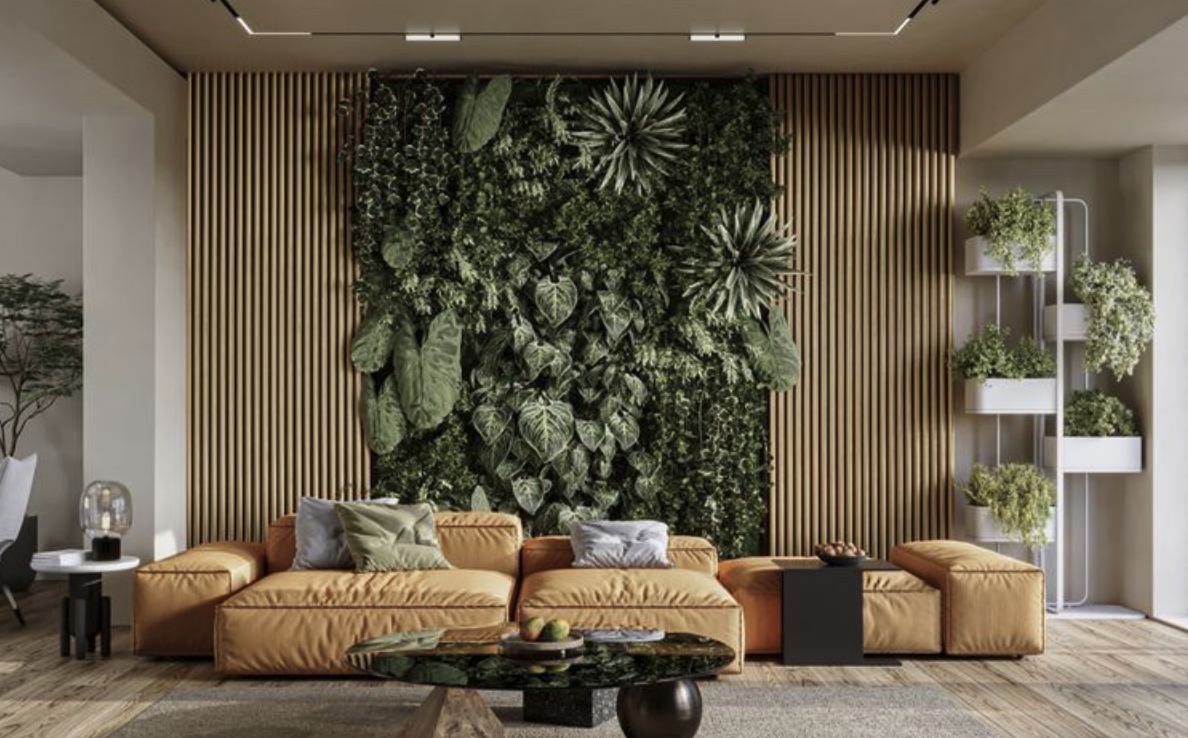
As interior design continued to evolve in 2024, Biophilic design remained at the forefront, emphasizing a deep connection between indoor spaces and the natural world.
This nature-first approach goes beyond simply adding houseplants—it integrates natural light, eco-friendly materials, and organic textures to create a harmonious, wellness-focused environment. From fractals and nature-inspired patterns to living walls and green roofs, biophilic design redefines how we experience our homes by aligning them with the rhythms and aesthetics of the outdoors.
For those looking to incorporate biophilic design into their own space, consider these key elements:
- Use Natural Materials – Integrate raw wood, stone, linen, and woven textures for an organic, grounded aesthetic.
- Maximize Natural Light – Position furniture near windows, install skylights, and use sheer curtains to let in as much daylight as possible.
- Bring in Greenery – From vertical gardens to potted plants and hanging planters, lush greenery enhances both air quality and ambiance.
- Incorporate Nature-Inspired Patterns – Wallpapers, textiles, and decor featuring fractals and organic shapes mirror the complexity of nature.
- Create an Indoor-Outdoor Flow – Open up living areas with sliding glass doors or patios that seamlessly blend indoor and outdoor spaces.
By integrating these elements, biophilic design fosters calm, creativity, and well-being, transforming any home into a serene retreat that nurtures both mind and body.
#2: Modern Colonial
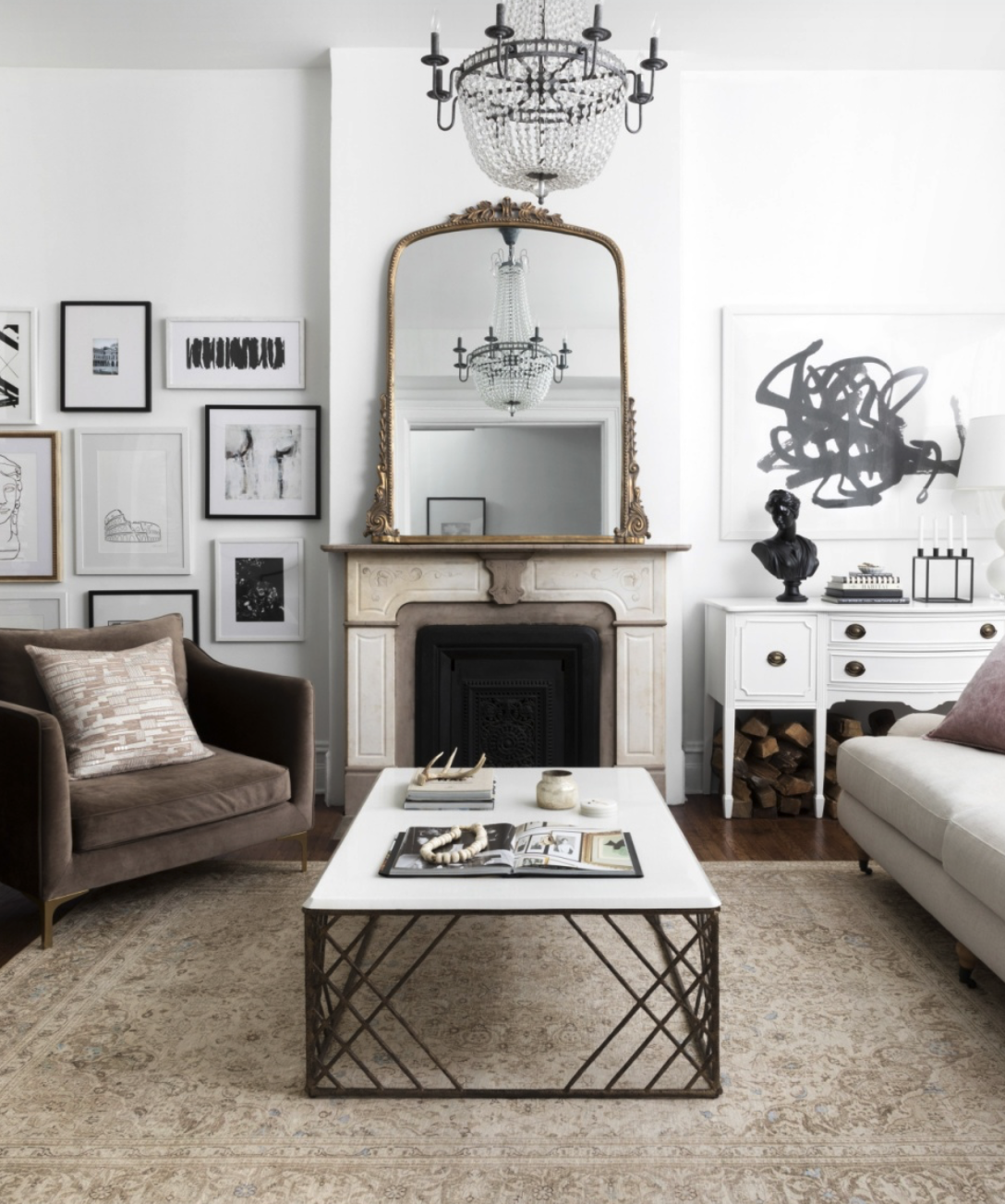
Blending traditional elegance with contemporary updates, Modern Colonial design is one of 2024’s standout interior trends.
This refreshed take on classic Colonial style brings in rich, earthy tones—such as deep blues, greens, and warm neutrals—moving away from the stark whites of past decades. Natural materials like wood, brick, stone, wrought iron, and copper further enhance the organic feel, creating a home that feels both timeless and inviting.
To bring Modern Colonial style into your space, focus on these key elements:
- Hardwood Floors with a Modern Twist—Traditional Colonial homes featured hardwood floors, and that remains true today. However, wider planks (4” to 6”) and patterns like herringbone, chevron, or parquet add a contemporary touch. Classic wood options like oak, maple, walnut, and cherry ensure long-lasting style.
- Architectural Details That Elevate—Crown molding, paneling, and columns are essential to Modern Colonial design. While classic homes featured wooden staircase spindles, today’s take updates them with wrought iron or sleeker railings. Adding chair rails and intricate base molding enhances the sense of luxury and craftsmanship.
- Updated Lighting for a Fresh Look—Instead of overly traditional fixtures, mix old and new by incorporating modern chandeliers, sculptural sconces, or minimalist pendant lamps. The key is to respec the traditional structure while giving it a fresh, artistic update.
- Wallpaper & Decor for Character—Wallpaper is making a strong comeback, especially with classic patterns like toile, damask, gingham, and mural landscapes. This approach adds decorative charm without clutter, reinforcing the clean lines and symmetry that define Modern Colonial interiors.
#3: Midcentury (Modern)
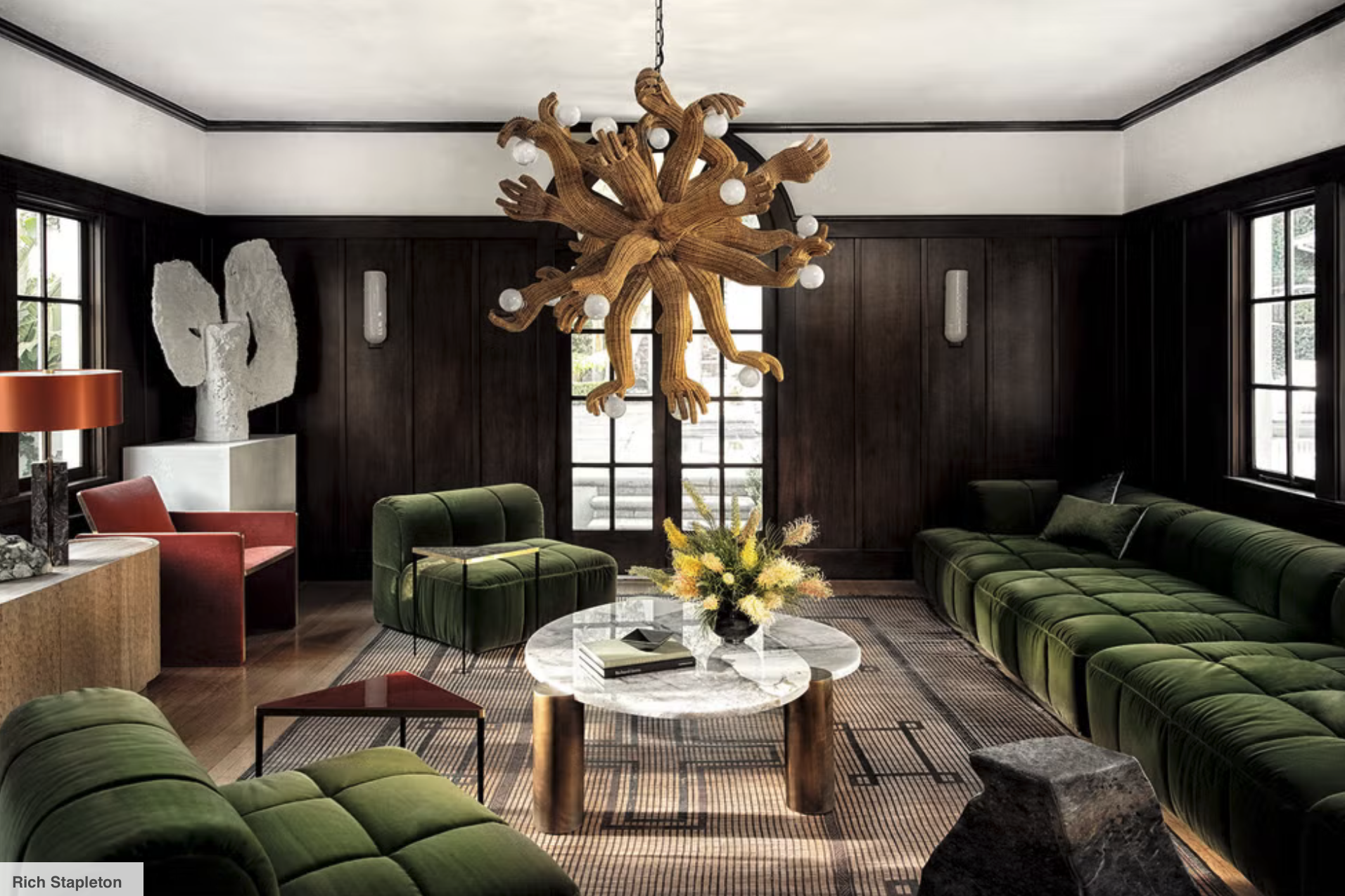
Midcentury modern design remained a top interior trend in 2024, blending timeless appeal with functional simplicity. Known for its clean lines, organic shapes, and mixed materials, this style emphasizes form over ornamentation.
Key characteristics of MCM design include:
- Natural wood tones – Teak, rosewood, and oak dominate, often paired with glass, metal, and vinyl.
- Bold accent colors – Deep reds, sage greens, mustard yellows, and blush pinks create contrast.
- Iconic furniture shapes – Think curved sofas, asymmetrical coffee tables, and the classic Eames chair.
- Mixed materials – Wood furniture with chrome legs or vinyl upholstery with wooden frames define the look.
To incorporate midcentury modern style into your home without making it feel like a museum, follow these expert tips:
- Let the wood shine – Ensure different wood tones complement rather than clash for a cohesive look.
- Be mindful of size – Vintage MCM pieces weren’t designed for modern needs, so check dimensions before purchasing.
- Mix with other styles – Balance MCM pieces with contemporary, industrial, or transitional elements to keep the space fresh.
- Prioritize function – Midcentury furniture is stylish, but ensure antique pieces are still sturdy for daily use.
#4: Art Deco
Art Deco design made a bold return in 2024, blending vintage glamour with modern sensibilities.
Originating in the 1920s, this style celebrates the fusion of luxurious materials, strong geometric patterns, and exotic motifs, creating interiors that are both glamorous and bold. To create an Art Deco-inspired space, focus on incorporating the following core elements:
- Bold Colors & Geometric Patterns: Art Deco rooms are known for their rich, saturated colors and symmetrical, geometric patterns. Think sunburst designs, concentric arches, and sharp angles to make a statement.
- Luxurious Textures: Incorporate materials like crushed velvet, faux fur, mirrors, crystal, and acrylic. These not only add texture but also reflect light, contributing to the opulent feel of the space.
- Exotic Motifs & Accessories: Decorate with floral, animal, and Eastern-inspired designs. Art Deco accessories, such as Egyptian busts or starburst paperweights, will add an exotic and personal touch to the room.
For those looking to create an Art Deco-inspired home, there are several tips to keep in mind:
- Furniture with Rich Materials: Incorporate rare woods like burled wood and lacquered finishes to create a sense of luxury.
- Incorporate Mirrors: Use mirrors with intricate geometric frames to amplify the light and add reflective elegance.
- Exotic Details: Consider adding artifacts or sculptures that bring in the bold and glamorous spirit of the era.
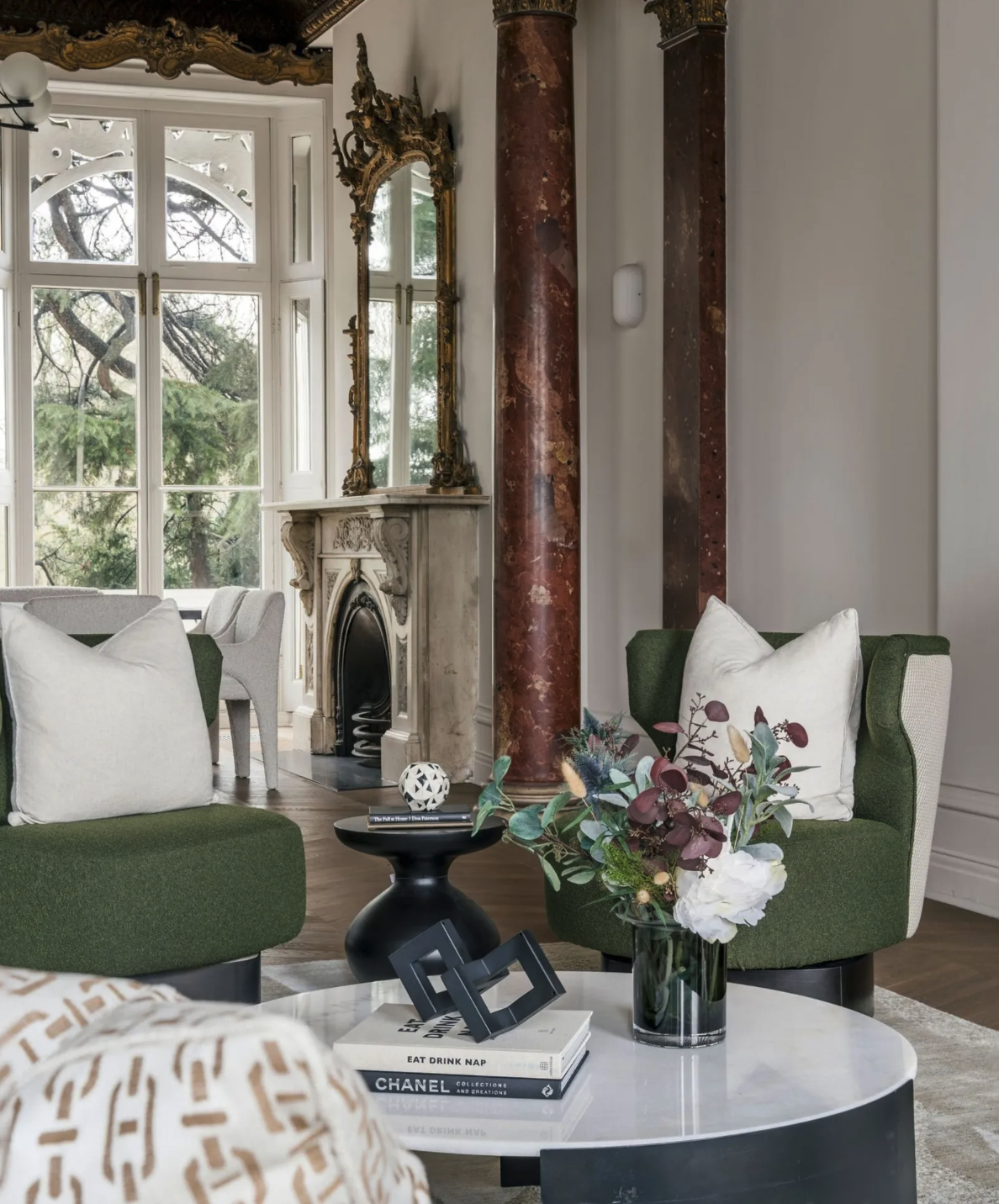
#5: Japanese Scandinavian (Japandi)
Japandi design, the chic hybrid of Japanese and Scandinavian aesthetics, captivated the design world in 2024. Rooted in minimalism and tranquility, Japandi embraces simplicity, natural materials, and functional beauty.
By blending the Japanese principles of wabi-sabi—the appreciation of imperfection—with the Scandinavian notion of hygge, a sense of cozy comfort, this style creates serene, uncluttered spaces that feel both timeless and modern. Japandi emphasizes not just the look, but also the feel of a space, focusing on craftsmanship, texture, and balance.
Key characteristics of Japandi design include:
- Natural Materials: Think wooden furniture, earthy textiles, and stone or clay accents that bring warmth and texture into the home.
- Neutral Color Palettes: Soft, earthy tones such as warm wood, muted greys, and rich beiges create a peaceful, grounded atmosphere.
- Functional Simplicity: Every piece of furniture or decor serves a purpose, with an emphasis on clean lines and practicality over excessive decoration.
- Natural Light: Maximizing light through large windows or strategic placement ensures the space feels open, airy, and connected to nature.
- Balance and Craftsmanship: Japandi spaces focus on symmetry and balance, where the beauty of craftsmanship shines through in every item.
For those looking to incorporate Japandi into their own homes, here are some practical tips:
- Choose Timeless, Quality Furniture: Invest in durable pieces such as a sleek wooden dining table or wabi-sabi ceramics, which celebrate simplicity and craftsmanship.
- Use Neutral Tones and Earthy Textures: Stick to a neutral color scheme with accents in earthy tones like terracotta, olive, or light oak. Incorporate materials like raw wood and linen for a tactile connection to nature.
- Declutter and Prioritize Functionality: Opt for minimal furnishings and multifunctional pieces that serve both form and function.
- Invite Natural Light In: Arrange furniture to let in as much natural light as possible, and consider light, airy curtains or blinds to keep spaces feeling open.
Japandi design offers a soothing retreat from the chaos of modern life, perfect for creating a balanced, timeless interior that prioritizes simplicity and connection with nature.
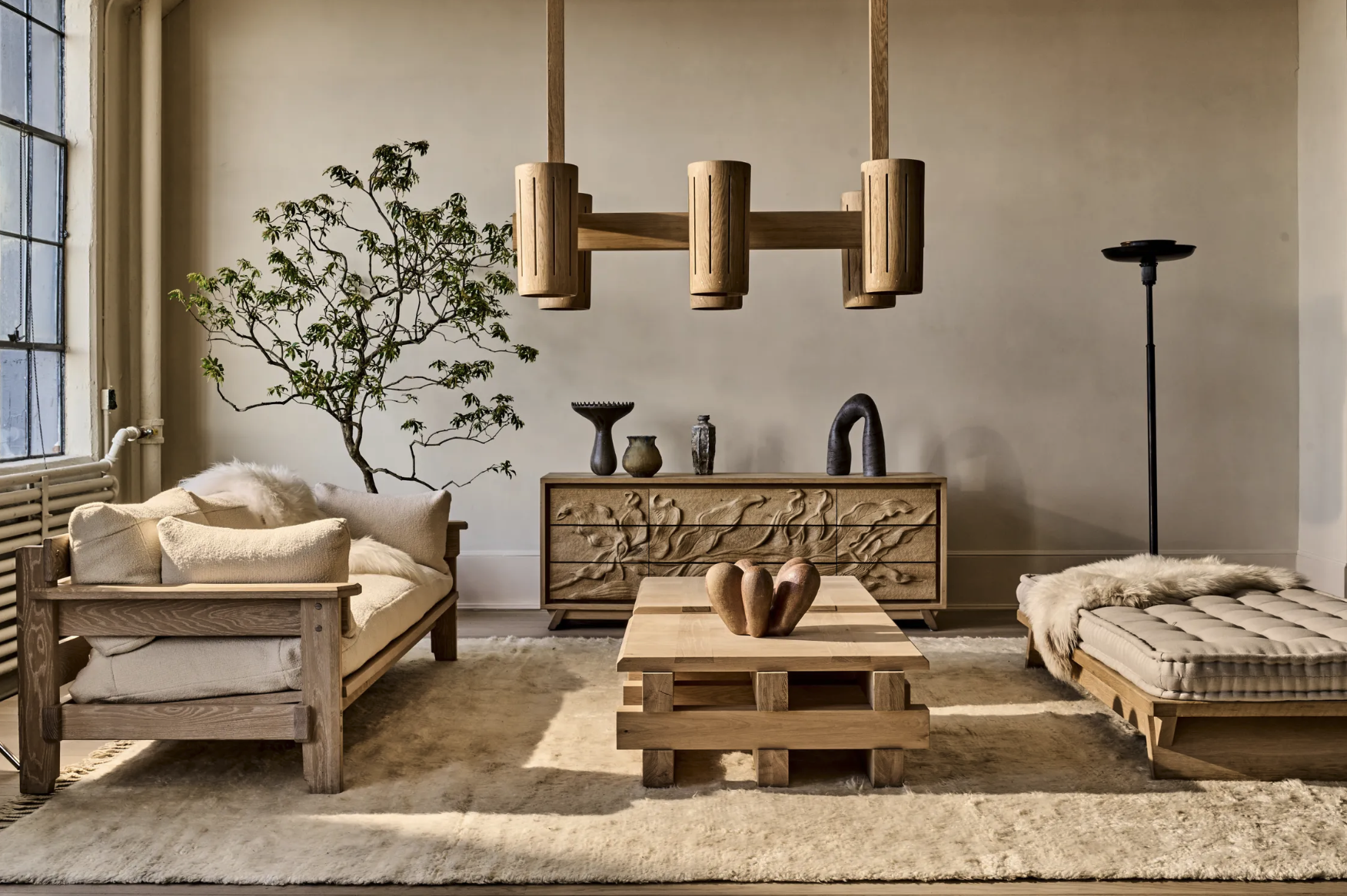
#6: Quiet Luxury
Quiet luxury is a design trend that emphasizes understated elegance, prioritizing quality materials, timeless design, and a refined atmosphere. Unlike louder, trend-driven styles, quiet luxury focuses on restraint and careful curation. The color palette typically consists of muted tones like beiges, taupes, grays, and creamy whites, which create a calm and cohesive atmosphere.
Materials such as real wood, marble, and high-end fabrics like cashmere linens further elevate the space, ensuring each surface feels luxurious without the need for excessive decoration.
To bring quiet luxury into your own home, start by focusing on a few key design principles:
- Refined Color Palette: Choose natural, neutral hues that evoke a sense of tranquility and timelessness.
- Invest in Quality Fabrics: Opt for high-end, tactile materials like cashmere and linen for upholstery, throws, and bedding.
- Curate Thoughtfully: Mix high-end pieces with more modest items to create a balanced and curated environment. This style isn’t about accumulation but about selecting a few exceptional pieces that stand the test of time.
- Practice Restraint in Decoration: Avoid clutter and excessive ornamentation. Instead, incorporate subtle décor items that serve a purpose and contribute to the serene, sophisticated vibe.
- Emphasize Craftsmanship: Look for items that are made with care and attention to detail, from artisan furniture to custom lighting fixtures. Quality craftsmanship ensures your space feels enduring and meaningful.
By focusing on these elements, you can create a space that feels refined and timeless, offering a sanctuary of comfort and style that will never go out of fashion.

#7: Spanish Revival
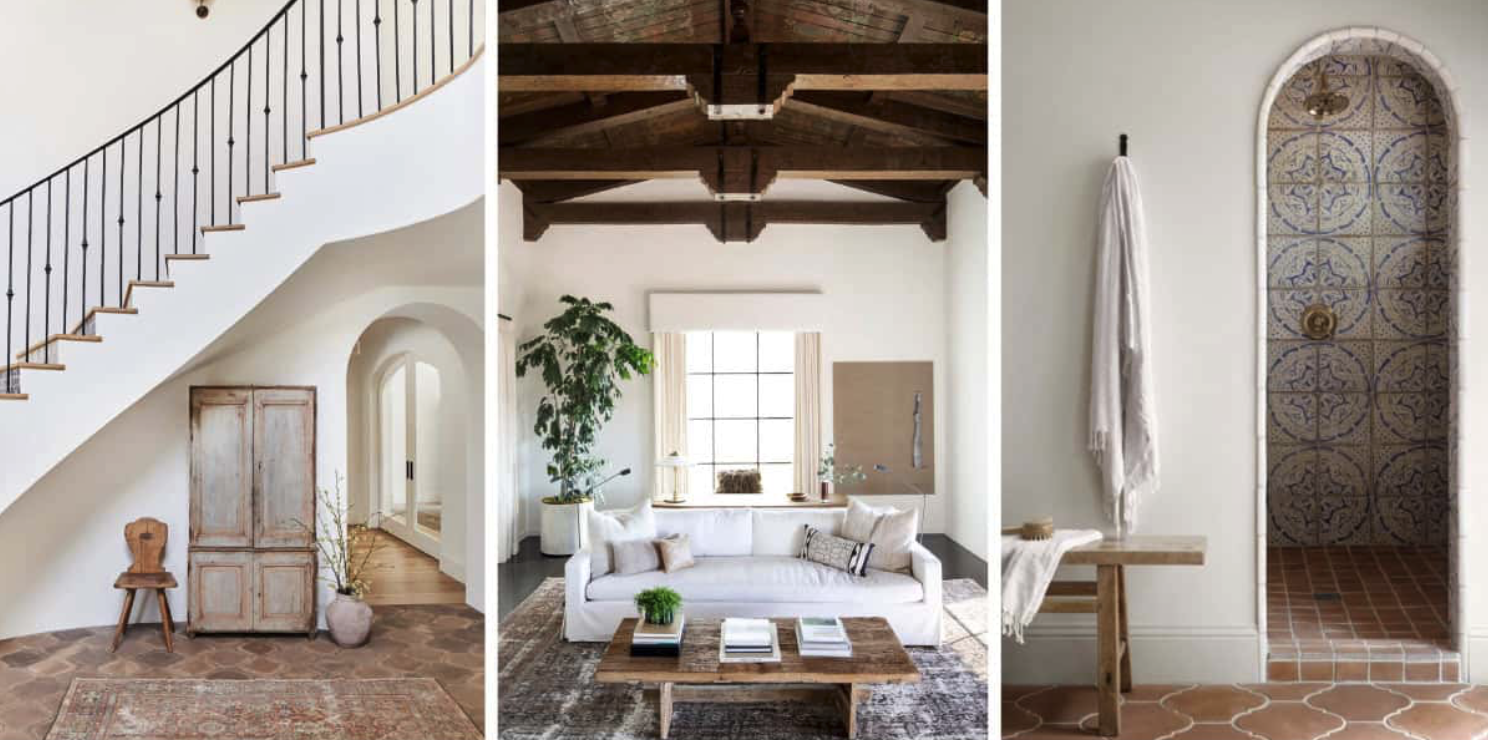
Spanish Revival design made a big comeback in 2024, blending rich European and Mediterranean influences with a modern twist. Originating from Spanish colonial and Moorish architecture, this style embraces natural materials, earthy colors, and intricate decorative details to create warm, inviting spaces. Spanish Revival interiors are characterized by exposed wooden beams, arched passages, and plaster walls, which provide a sense of timeless charm and coziness. The style celebrates both the boldness of its history and the comforts of modern living, making it a versatile choice for homeowners looking to infuse character into their spaces.
Key Characteristics of Spanish Revival Design:
- Color Palette: Embrace earthy hues like terracotta, red, green, and brown, often paired with whitewashed walls as a neutral backdrop. Use these tones thoughtfully across tiles, fabrics, and accents to create a harmonious, warm atmosphere.
- Architectural Details: Highlight traditional elements like red-tile roofs, arches, curved lines, and textured walls. Incorporate hardwood flooring, exposed beams, and decorative tiles to bring authenticity and charm into your home.
- Mixing Old and New: Spanish Revival thrives on the blend of antique and modern pieces. Combine vintage furniture with contemporary design elements for a balanced, eclectic look. Rustic wood, leather, and antique rugs pair perfectly with sleek modern furnishings.
Tips for Incorporating Spanish Revival into Your Home:
- Start with the Color Scheme: Choose a combination of earthy tones— terracotta, olive, and cream—as your base, adding pops of color with vibrant greens and reds in smaller furnishings or tiles.
- Add Texture and Character: Layer in textured elements like lime wash paint, iron sconces, and patterned tiles to give your space that signature Spanish Revival charm.
- Focus on Timeless Furnishings: Opt for neutral, traditional silhouettes for large furniture pieces like sofas and tables, while introducing decorative accents such as antique rugs and oil paintings to inject personality and warmth.
#8: American Colonial
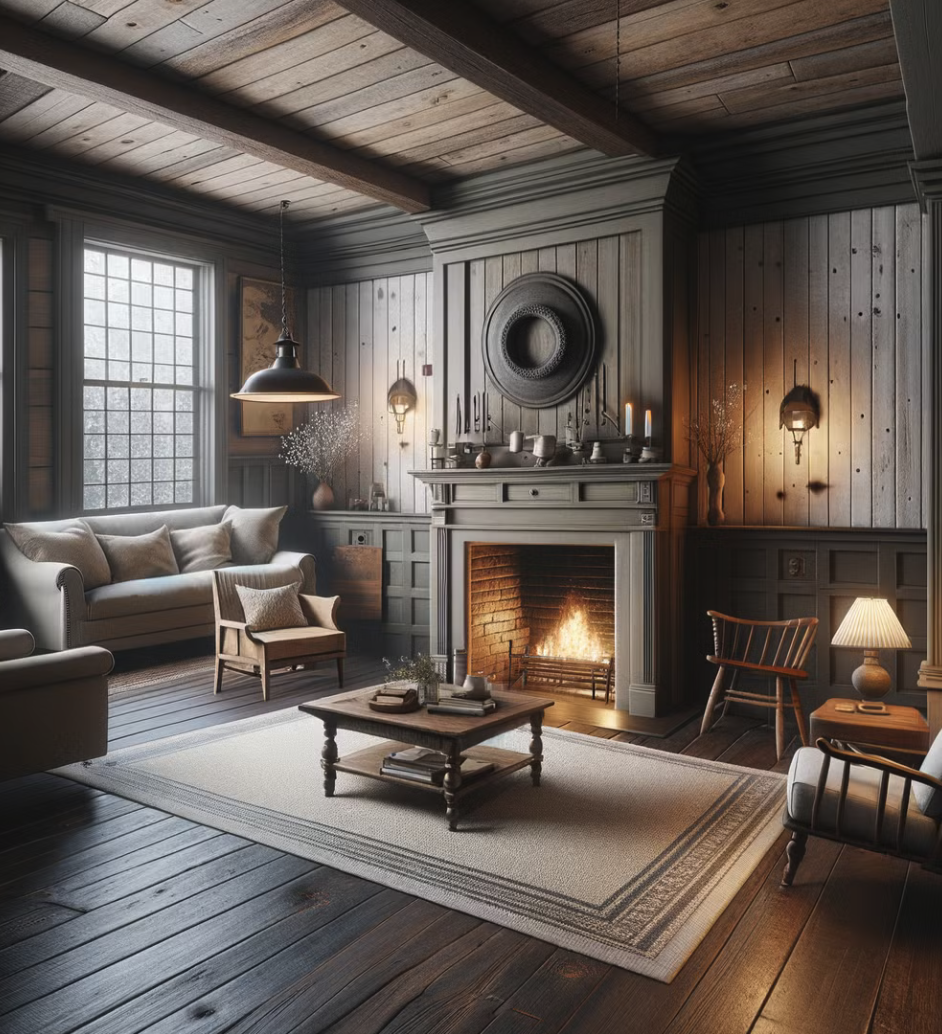
American Colonial interior design brings timeless charm to modern spaces by combining natural materials, earthy tones, and traditional craftsmanship. The style evokes the simplicity and elegance of early American homes while incorporating sophisticated woodwork and classic patterns. If you’re looking to incorporate this style into your home in 2024, focus on the following key elements:
- Color Palette: Embrace earthy tones like beige, ivory, ochres, and greens, which create a warm, inviting atmosphere. Accent with warm colors such as copper and pewter to add depth and richness to your space.
- Furniture: Opt for fine hardwood furniture made from materials like walnut, cherry, and mahogany, which lend a sense of permanence and craftsmanship. Rustic leather pieces also complement this aesthetic, adding both comfort and authenticity.
- Woodwork: Incorporate features like wood mantels, corner cupboards, and wide baseboards to highlight intricate woodwork and craftsmanship. Wainscot and crown molding trim add a polished yet understated elegance.
- Patterns: Choose traditional scrolling patterns, French toile, floral imagery, and classic stripes, checkers, or plaid weavings for textiles and decor. These subtle patterns evoke a sense of history while adding texture to the room.
By blending these elements, you can create a space that feels both classic and welcoming, with an emphasis on handcrafted details and natural materials that endure.
#9: Glam
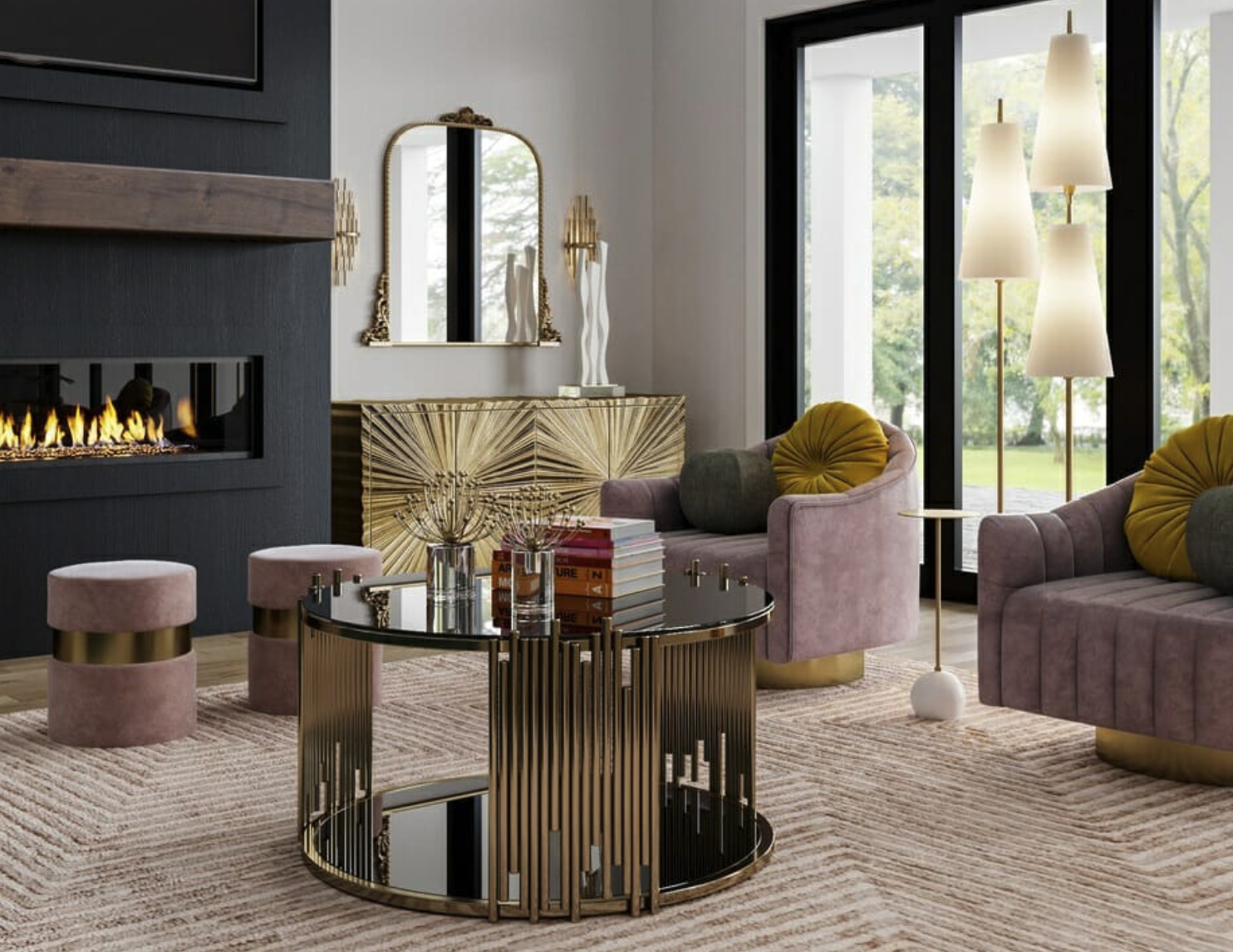
Glam interior design continues to captivate homeowners in 2025 with its signature blend of opulence, bold contrasts, and sophisticated shimmer. This style is all about more-is-more, celebrating extravagant details and luxurious materials that exude elegance and excess in equal measure. If you’re looking to bring glam into your own home, start by focusing on the key characteristics that make this style unforgettable.
Key Elements of Glam Design:
- Shapes & Patterns: Embrace sharp lines and geometric motifs that add dimension and drama to your space. Bold patterns are essential, whether you choose a classic Art Deco influence or opt for more modern, experimental designs.
- Luxurious Materials: To achieve that high-end look, incorporate materials like marble, glass, Lucite, and polished metals. These materials not only elevate the space but also work well with plush, soft furnishings to balance the glam’s boldness with comfort.
- Rich Color Palettes: While gold is a staple, you can complement it with base tones of white, black, or gray. For accent colors, consider rich jewel tones like emerald or sapphire, or go lighter with muted pastels for a softer, airier feel.
Design Tips for Bringing Glam into Your Home:
- Mirrors: Nothing says glam like reflective surfaces. Use mirrors with intricate frames or LED lighting for a halo effect, enhancing both space and style.
- Detailing Matters: From furniture to accessories, glam is all about the details. Opt for ornate pieces, like a statement bathtub with gilded feet or luxe cabinet hardware, to bring a touch of luxury to even the smallest accents.
- Room-Specific Ideas: In the kitchen, showcase glitzy glassware on open shelves, and in the bathroom, consider pairing a statement tub with elegant faucets. In your living or bedroom, swap out traditional gallery walls for a mini mirror gallery to set a glamorous tone.
#10: Cottagecore
Cottagecore, the enchanting and nostalgic design aesthetic, has blossomed in popularity and continues to be a strong trend in 2025.
Rooted in a romantic, rustic lifestyle that celebrates nature and cozy living, Cottagecore interiors bring a sense of tranquility and warmth into the home. With its soft, muted color palette and rustic charm, this style draws inspiration from the English countryside, wildflowers, and quaint cottages, creating spaces that feel lived-in and authentic. To help you capture the essence of Cottagecore in your own home, here are a few key elements to focus on:
Key Characteristics of Cottagecore Design:
- Color Palette: Soft, muted tones like watery blues, buttery yellows, greens, and warm greys dominate Cottagecore interiors. These colors create a calm, peaceful atmosphere that invites relaxation and coziness.
- Textiles & Patterns: Layering is key, with vintage rugs, floral textiles, and bold curtains often found in unexpected places like under cabinets or desks. These elements contribute to a welcoming and lived-in feel.
- Furniture & Décor: Embrace mismatched furniture, daintily painted wood, and vintage items that evoke nostalgia. Shelving is a must, extending up to the ceiling and often adorned with plants and cozy candlelight.
- Functional Spaces: Kitchens and living areas feature functional, cozy items like Grandma’s china, wildflower bouquets, and tea sets, promoting the idea of a warm, rustic home.
To incorporate Cottagecore into your own home, start small. Add a floral accent wall, paint your doors a soft blue, or bring in a few vintage pieces like mismatched chairs or a cozy rug. You don’t need to go all in at once: begin with small, simple touches that reflect the charm and coziness of the Cottagecore aesthetic.

Which design style—or styles—draw you in the most? And what do you tell a buyer who wants to recreate one of these styles in their new home?