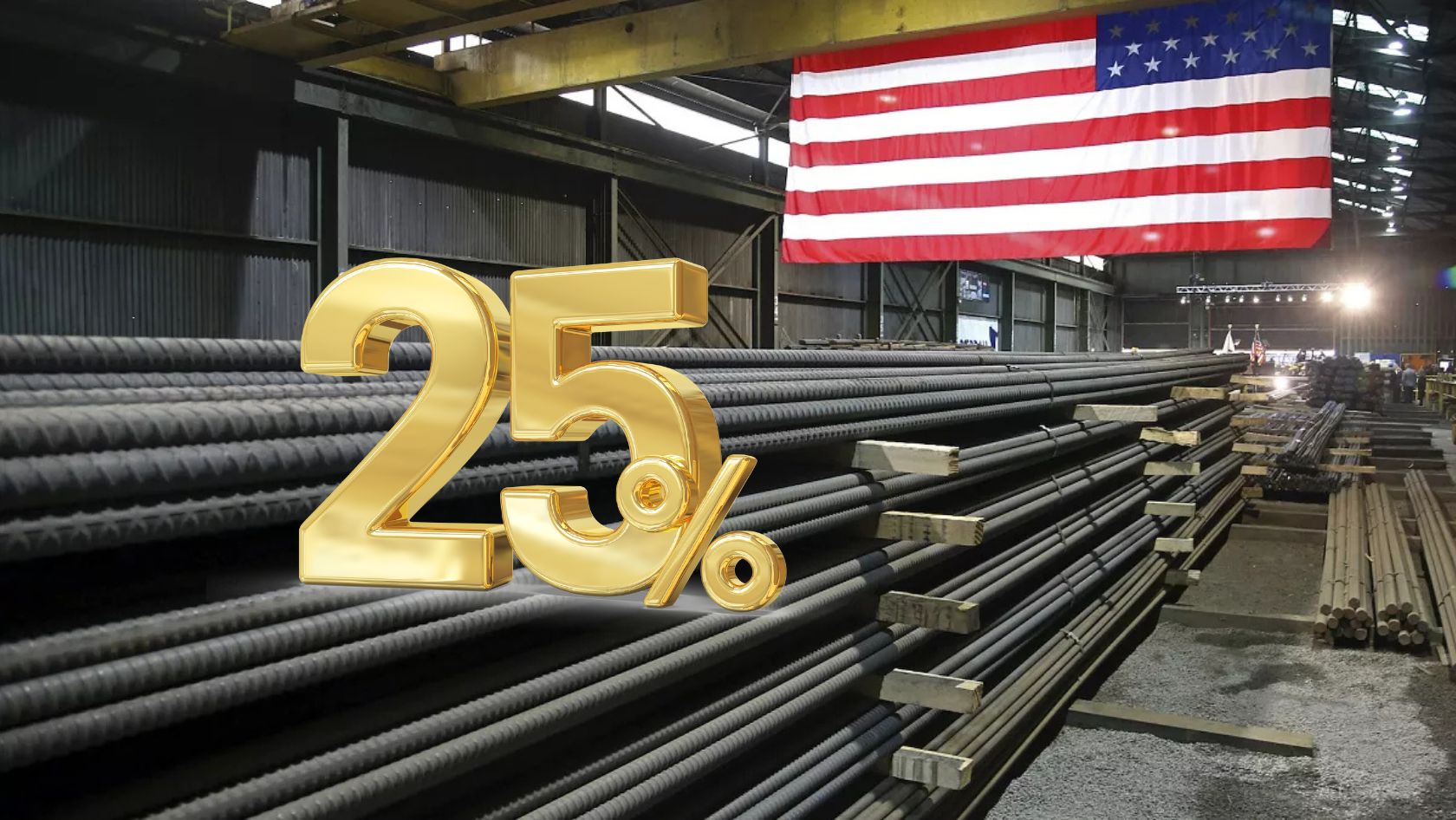

On Monday, February 10, President Trump imposed a 25% tariff on all steel and aluminum imports, a move that could significantly drive up the cost of home construction.
This comes on the heels of his decision to pause tariffs on Mexican and Canadian goods until March 1, giving temporary relief while broader trade negotiations continue. But for builders, that relief is short-lived.
Homebuilders fear that higher material costs could slow down new construction, making homes even more expensive in an already challenging market.
Those concerns were apparently not on the radar when Trump was signing the proclamations in the Oval Office.
This is a big deal… the beginning of making America rich again.
Let’s break it down.
What This Means for Homebuilders
The U.S. construction industry relies heavily on imported materials, and these tariffs add another layer of uncertainty. Here’s why builders should be concerned:
- Steel and aluminum are critical materials. Trump’s 25% tariff will raise costs for builders who rely on these imports.
- Canada, Brazil, and Mexico are top suppliers. Canada was the largest steel supplier to the U.S. in January, with Brazil and Mexico close behind (The New York Times). Builders can expect higher prices as these trade restrictions take hold.
- Other materials are at risk. The U.S. imports 31% of its sawmill products, with 73% coming from Canada. Additionally, 43% of U.S. hardware products are imported, 20% from Mexico—all key materials in home construction. If tariffs on these materials resume, costs could skyrocket.
The National Association of Home Builders (NAHB) has already voiced concerns, pushing for tariff exemptions on building materials before Trump’s broader tariff announcements. However, with Trump doubling down on his trade stance, those exemptions may not come anytime soon.
Meanwhile, Trump’s trade advisor, Peter Navarro, defended the president’s decision as a move toward greater independence for the U.S.:
“Steel and aluminum tariffs 2.0 will put an end to foreign dumping, boost domestic production and secure our steel and aluminum industries as the backbone and pillar industries of America’s economic national security. It’s about ensuring that America never has to rely on foreign nations for critical industries like steel and aluminum.”
Trump’s Housing Policy: A Mixed Bag
While tariffs and labor crackdowns are causing concern, the Trump administration is also pushing for regulatory relief. On day one of his second term, Trump issued an executive order calling for emergency price relief on housing, including a review of homebuilding regulations.
A National Association of Home Builders (NAHB) study found that 25% of homebuilding costs come from regulations, most of which are imposed at the local level. While Trump’s order may help streamline some processes, it’s unclear how much impact it will actually have on housing affordability.
Jim Tobin, NAHB President & CEO, summed it up:
“We have to balance regulations with the cost of housing because it’s equally important to put shelter over your head every night. [Tariffs] may be a short-term blip, but we’re also trying to take a holistic approach. The whole economic and regulatory posture of this administration is going to continue to change over the next several months.”
In other words, there’s a lot of uncertainty, and builders will have to stay on their toes.
The Nippon Steel Factor
Meanwhile, the tariff announcement comes as Japan’s Nippon Steel attempts to acquire U.S. steel. Trump’s stance on the deal has shifted multiple times, but his most recent comments suggest Nippon may take an ownership stake rather than buying the company outright.
Japanese officials are reportedly working on a revised offer, but how this plays into Trump’s overall tariff strategy remains to be seen.
Final Take: Homebuilders Caught in the Crossfire
The NAHB isn’t holding back in its criticism of Trump’s latest move:
“[Trump’s] move to impose 25% tariffs on all steel and aluminum products imports into the U.S. runs totally counter to this goal [of reducing housing costs] by raising home building costs, deterring new development and frustrating efforts to rebuild in the wake of natural disasters.
“Ultimately, consumers will pay for these tariffs in the form of higher home prices. We will continue to work with the administration to remove regulatory and other barriers that raise housing costs and hinder the production of new homes and apartments.”
These tariffs could mean higher costs for homebuilders and homebuyers alike. With material costs rising and no clear exemptions in sight, the industry is bracing for impact.
Stay tuned for new developments.