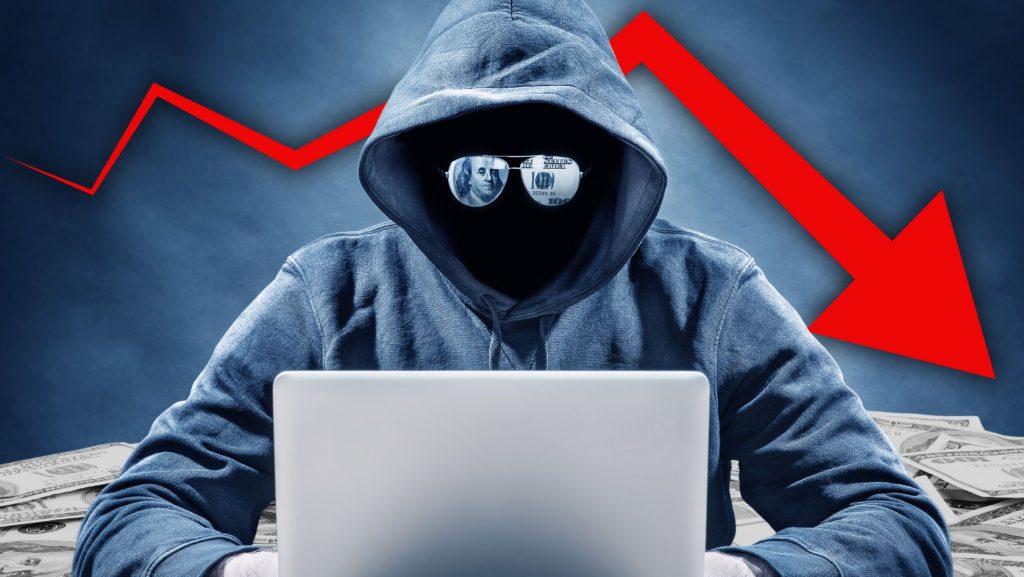
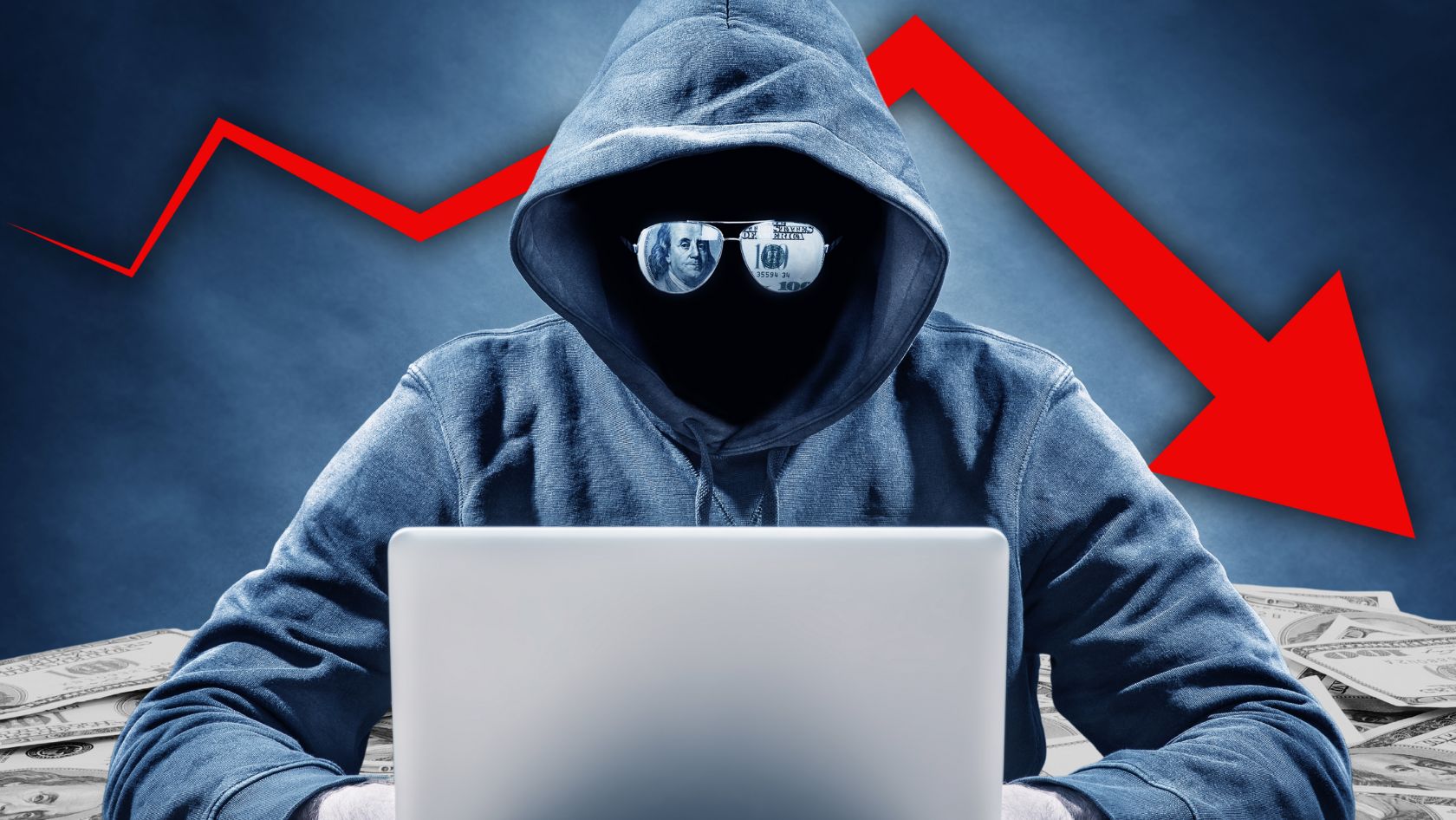

A Denver couple is now out more than $30,000 after responding to an email that came just days away from closing on their new home. CBS News reported on the story as another heartbreaking example of how pervasive and adaptable email scams have become.
The email appeared to be a discussion between the LeMays’ lender and their title company, First American.
Drew LeMay admits he and his wife, who work in the medical field, are very new to the homebuying process, and the email looked convincing.
“They obtained this email, copied and pasted into their own email chain, added us into it and then were having a real-time conversation with us about closing costs.”
At the time, those conversations seemed legitimate enough to raise fears in the couple that if they didn’t take action and wire the money to an account provided in the email, their home purchase transaction would fall through.
It didn’t seem necessary, in those moments, to take a closer look at the sender’s email address, which was just a few letters off from the original.
Unfortunately, the day after he wired the money to the account provided, LeMay found out it was a scam—and the $30,000 he and his wife had saved was irretrievable.
The email turned out to be another example of a business email compromise (BEC) scam, which, according to the FBI, cost Coloradans more than $57 million in 2023.
Experts in cybersecurity, like Steve Beaty, a computer science professor at Metropolitan State University of Denver, note that real estate closings have become a popular target since there’s a lot of money involved.
“I trust almost no pieces of email. If I am going to wire money, I’m going to make a call.”
In many cases involving real estate transactions, the scammer sends a phishing email to a real estate broker or title company. If successful, they gain access to that email account along with all the information inside. They then use that information to trick buyers out of their money.
Once they realized, after talking to their title company the next day, that the latter had not received the wire transfer, the LeMays tried unsuccessfully to freeze the transfer.
They also filed insurance claims with both Edward Jones and First American Title. Both companies denied any responsibility to the couple.
Conversations with your buyers
Stories like the LeMays’ are worth sharing with your buyers, many of whom are vulnerable to attacks like these. Encourage them to pick up the phone and call you (their agent), their lender, or their title company if they receive an email asking them to wire money.
Using the phone and calling the people involved in the transaction is the best way buyers can protect themselves from email scams. And as their agent, talking to them about this scam can save them tens of thousands of dollars.
The LeMays were still able to purchase their home. But they chose that home because it would give them room to grow their family. For now, they’re having to table those plans until they can rebuild their savings.
“It’s a lot of years working to save up that money and it’s going to take a lot more years to get it back.”